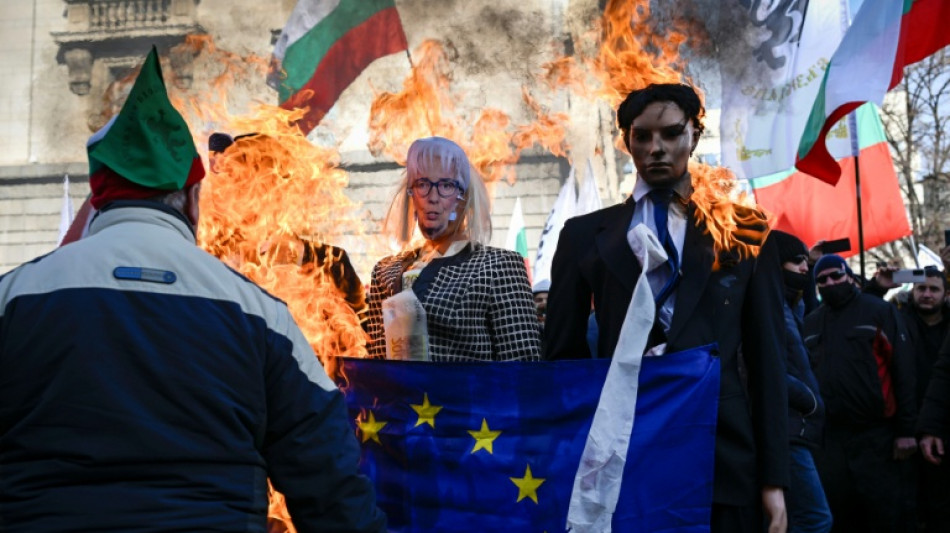
EU member Bulgaria faces protests over adopting the euro / Photo: Nikolay DOYCHINOV - AFP/File

 Syria site infrastructure 'consistent with nuclear reactor': IAEA

 Juventus sign Woltemade, Sarr on loan from Premier League
 US strikes Iran in latest tit-for-tat attacks
 China's Xi arrives in Egypt as US sanctions threat looms over Iran links
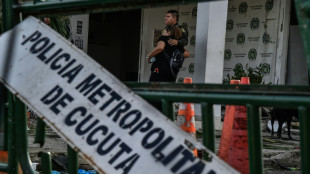 Car bomb at Colombian police station kills one, injures 11
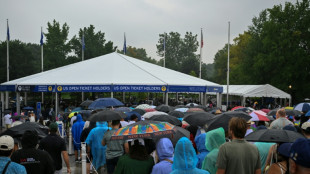 Rain delays start of play on US Open
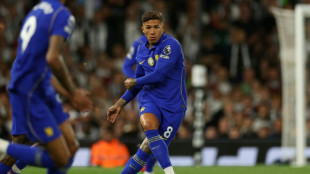 Man City agree blockbuster deal to sign Chelsea star Fernandez: reports
 Alkemya Metacore Secures $50M via Tokenised Equity to Scale Nickel Energy and Security Tech

 Man City chase Fernandez, Arsenal sell Jesus on deadline day
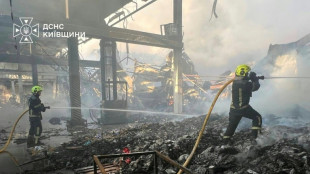 EU says Russian 'hybrid attacks' won't halt aid to Ukraine
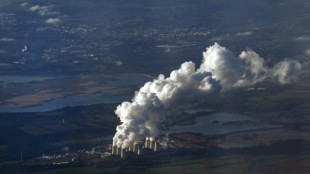 Explosives used in sabotage attack on German power lines
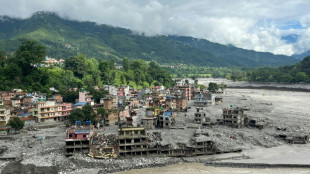 Nepali families hold symbolic funerals for missing after floods
 Newcastle sign Lille forward Fernandez-Pardo

 Even at Elysee, phones are handed in, Macron tells French pupils
 Chelsea agree to sign Atalanta's Ahanor, with Palace loan for this season
 Chelsea sign Atalanta's Ahanor and loan him to Palace

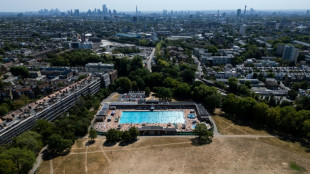 UK chalks up hottest summer on record for second year running
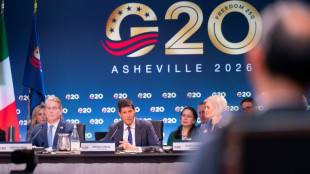
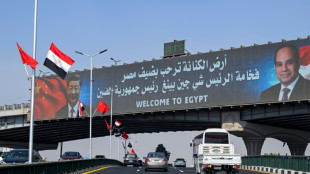 China's Xi visits Egypt as US sanctions threat looms over Iran links

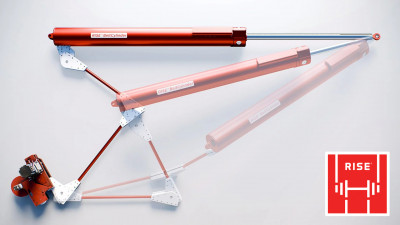 RISE Robotics Awarded $100,000 MassVentures Grant to Accelerate Commercialization of Beltdraulic Technology

 Global bond sell-off deepens on inflation concerns

 Germany's far-right AfD promises 'boom' but economists fear worst
 Former England captain Stokes signs for Adelaide Strikers

 Pakistan selector and ex-captain Misbah resigns after coach sacked
 Shein flattens on Hong Kong debut facing global headwinds
 Eurozone inflation hits three-year high at 3.3% in August

Bulgaria is expected to get a green light from Brussels in June to adopt the euro -- but the prospect is unsettling many citizens.
"If Bulgaria joins the eurozone, it will be like boarding the Titanic," Nikolai Ivanov, a retired senior official, told AFP at a recent protest calling for the country's currency -- the lev -- to be maintained.
Since January, opponents of Bulgaria adopting the common European currency have launched demonstrations and demanded a referendum on the issue, amid a torrent of disinformation.
Memories of a 1996-1997 economic crisis that saw 14 banks go bankrupt and hyperinflation of more than 300 percent also resurfaced, fuelling the opposition.
Several recent surveys showed nearly half of those questioned said they were opposed to Bulgaria joining the eurozone.
The debate has reignited anti-EU propaganda, and many of those opposed to adoption of the euro have taken to waving Russian flags.
Bulgaria, which joined the European Union in 2007, is the poorest nation in the bloc.
And "the poor are afraid of becoming even poorer", said Boriana Dimitrova, director of the Alpha Research institute.
That, coupled with a mistrust of institutions after years of instability, has created fertile conditions for the population of 6.4 million to fear economic change.
That fear has been stoked by some political groups, including the far-right Vazrazhdane party, which called for a new anti-euro rally on Saturday in the capital.
The country's pro-Russian president, Rumen Radev, made a surprise announcement in early May also calling for a referendum on the matter.
This week, he accused the government of not implementing needed measures to allow the "most vulnerable" to withstand the shock of euro adoption.
- Pro-EU voices struggling -
A third of Bulgarians faced the threat of poverty or social exclusion last year, according to Eurostat figures.
People particularly in small towns and rural areas are reluctant to adopt the single currency, with some of them having never travelled abroad and not used to international transactions.
Disinformation widely shared on social networks claims, falsely, that with the introduction of the euro, "Brussels will confiscate your savings to finance Ukraine".
Dimitrova told AFP that Radev was making "a well-calculated political move", appealing to a disillusioned segment of the electorate.
But his referendum proposal, deemed "unconstitutional", sparked an outcry from legal experts, and from Assembly Speaker Natalia Kiselova, who refused to put it to a vote.
Meanwhile, pro-European voices are struggling to be heard.
"In Sofia and the larger cities, the population -- wealthier, better educated and younger -- sees it as a logical next step in the European integration process," Dimitrova said.
Institutions and banks are already prepared, and the coins' design has been chosen, with the local two-euro coin showing off the inscription "God protect Bulgaria".
But in a sign of the lack of information and a feeling of inferiority that is still widespread in the country, "some people still ask me if the Bulgarian euro will even be valid in France or Germany", Dimitrova said.
M.White--AT