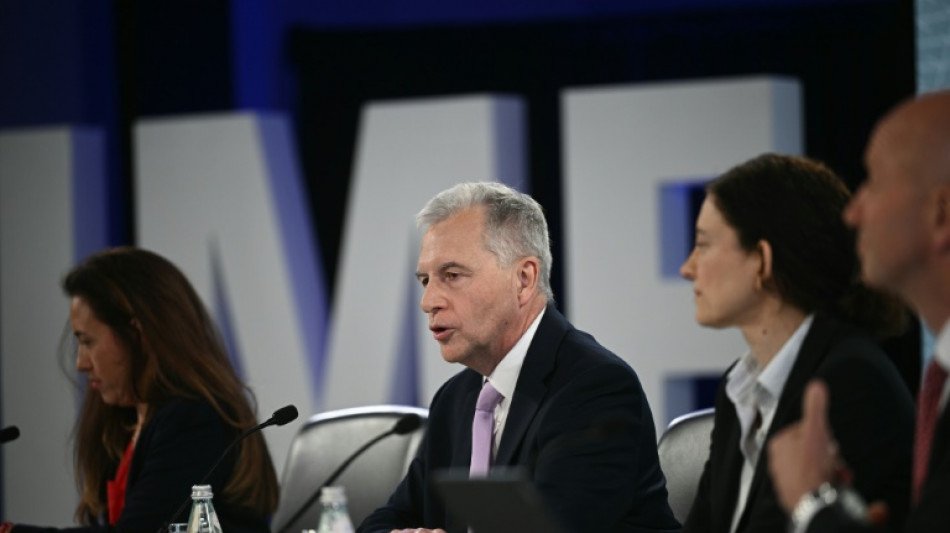
EU, US should de-escalate and negotiate trade deal: IMF Europe director / Photo: Brendan SMIALOWSKI - AFP

 Third-ranked Pegula powers into US Open third round
 Uber says laying off 'about 10%' of workforce worldwide
 US judge rejects bid to break up Google's ad business

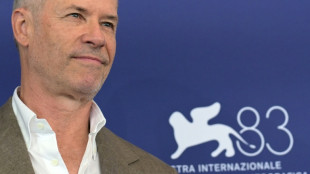 Rupert Murdoch 'very happy' to be played by Guy Pearce in new film
 Wall Street stocks rise despite bond yields, oil rising
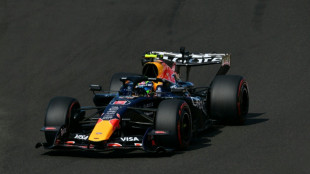
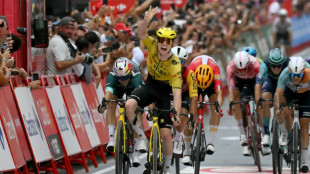 Brennan claims third Vuelta victory in stage 11 sprint

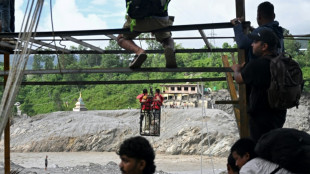 Nepal flood survivors cling to zipline to cross treacherous river
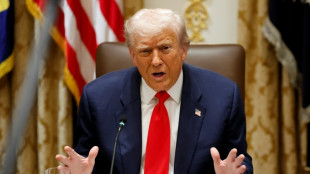 US Treasury issues $1 coin with Trump's face on it

 Fernandez 'didn't hesitate' over record Man City move
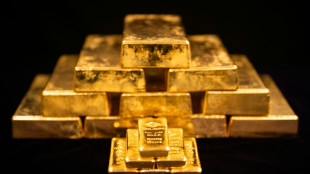 Dutch shift 86 tonnes of gold from US, Canada to UK
 Nepal floods should mobilise climate action: UN green fund chief
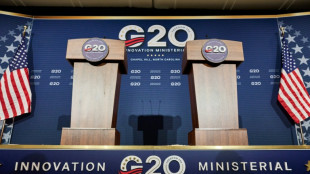 Nvidia boss presses G20 ministers to build AI infrastructure

 Liminal Launches Liminal Prime for Institutional OTC and Stablecoin Liquidity
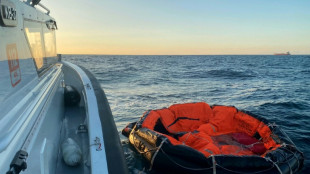 10 missing as cargo ship sinks after collision off Istanbul
 30 years on, 'Tomb Raider' reboot sees Lara Croft through a 'modern lens'

 King Charles, Macron to view Bayeux Tapestry as French leader starts UK visit
 George Clooney says US run by 'least qualified people'

 China's Xi urges against Mideast interference in rare Egypt visit
 Venice to roll out red carpet for 'lucky' Clooney on opening night
 'Humiliated' Aubameyang quits Gabon national team

 France sees limited economic hit from drought, heatwaves
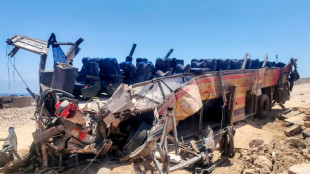 Bus crash in Egypt's Sinai kills 22, including 10 Jordanians
 UN says world must navigate 'reality' of 1.5C overshoot
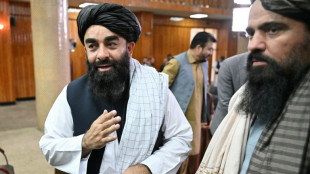 Taliban govt defends ban on protest, citing Islamic law
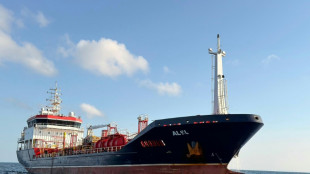 10 missing as Turkish cargo ship sinks after collision off Istanbul

The United States and European Union need to "de-escalate" and "negotiate a deal" to help boost lackluster growth on the continent, the International Monetary Fund's Europe director said Friday.
"In our discussions with European leaders, I don't sense any difference of views with regard to the importance of that relationship," IMF Europe Director Alfred Kammer told reporters in Washington.
"An effort needs to be made to de-escalate and to negotiate a deal," he said, adding he hoped the negotiations would be successful.
Kammer's comments came during a press briefing as part of the World Bank and IMF's Spring Meetings in Washington which has brought the world's finance ministers and central bankers together at the same time as many countries look to rapidly renegotiate their trading relationship with the United States.
Earlier this month, US President Donald Trump slapped steep tariffs on many countries -- including a new 20 percent rate on the European Union -- only to then temporarily roll back most tariffs to a "baseline" 10 percent rate a few days later.
Alongside these measures, the administration has also introduced sector-specific levies in areas including automobiles, steel and aluminum.
The White House has given those countries and blocs facing higher tariffs a 90-day period ending in July to negotiate a deal and bring down trade barriers with the United States.
It is the EU, and not member states, who have been tasked with negotiating the deal, but European finance ministers in Washington have still weighed in with their views of the state of negotiations.
"We're not going to hide the fact that we're still a long way from an agreement," French economy minister Eric Lombard said in an interview on Thursday.
At an IMF event later in the day, German Finance Minister Joerg Kukies struck a more hopeful note that a deal could be done in time.
"We're optimistic that it will work, the sooner, the better," he said.
Kammer also addressed the question of European growth, which has lagged behind the United States in recent years.
"There is a narrative out there that Europe is not competitive, and that narrative is actually wrong," he said.
"Europe is competitive. Europe has a current account surplus versus the rest of the world," he said. "What we are arguing is that Europe has a gap in its productivity and, in particular, a gap in labor productivity."
J.Gomez--AT