Trump's trade math baffles economists / Photo: Brendan SMIALOWSKI - AFP

 Russia to close branches of Germany's Goethe Institute
 Spacecraft bound for Mercury faces 'tricky' arrival
 Philippines holds drills to safeguard students from armed intruders

 In Ghana, larger-than-life coffins tell the stories of the dead
 Menoncello, Reece headline Top 14 new-season signings
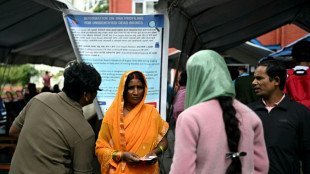 Families descend on Nepal in search of missing tourists

 Far-right AfD eyes huge win in east German state vote

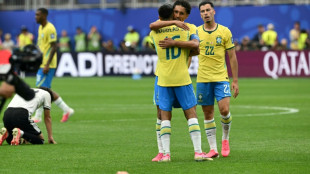 Brazil-Japan to play World Cup rematch at Singapore tournament

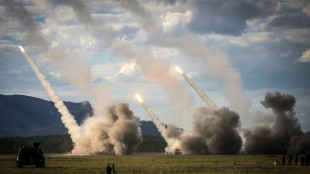 Defence chiefs back boosting US military presence in Australia
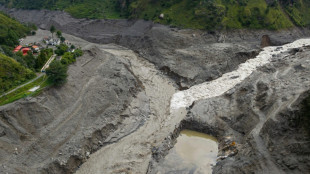 Nepal seeks climate justice after Himalayan disaster

 Stocks rise, yields ease as oil slips on Trump hint at short bombing campaign

 Brussels Diamond League finals Day 1 - five events to watch

 Thailand's 'Jurassic Park' shines light on dinosaur evolution
 'Role model' Stokes set to open for Adelaide Strikers

 Palau urges 'unified' Pacific response to China missile test
 Grinding away: in remote Appalachia, old mills fuel US clean food dreams

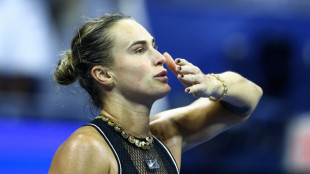 Sabalenka races into US Open third round

 NSW's Fourth-Largest City Makes Its Move: Investing Platform Spotlights Wollongong's Health Precinct Plan and 20,500-Job Target

 Hemogenyx Pharmaceuticals PLC Announces Exercise of Warrants and Issue of Equity

 Chinese lucky loser stuns Jodar at US Open
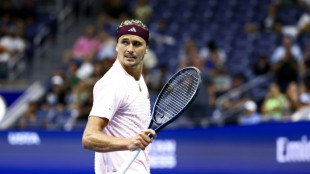
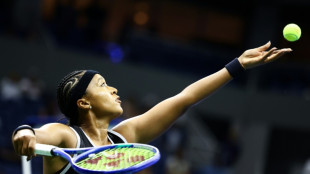 US Open under the influence: content creators spark debate

 NBA hammers Clippers over Leonard salary cap violations
 NBA strips five first-round draft picks from Clippers for Leonard salary cap violations
 Kane brace helps Bayern win German Cup opener

 Migrant plight, local anger divide Ceuta one month after influx

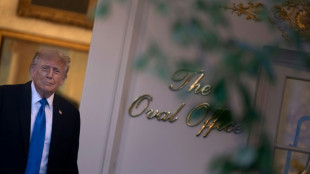
Trade economists were scratching their heads on Thursday at the formula used by the White House to measure trade imbalances and inflict punishment on all its global trading partners.
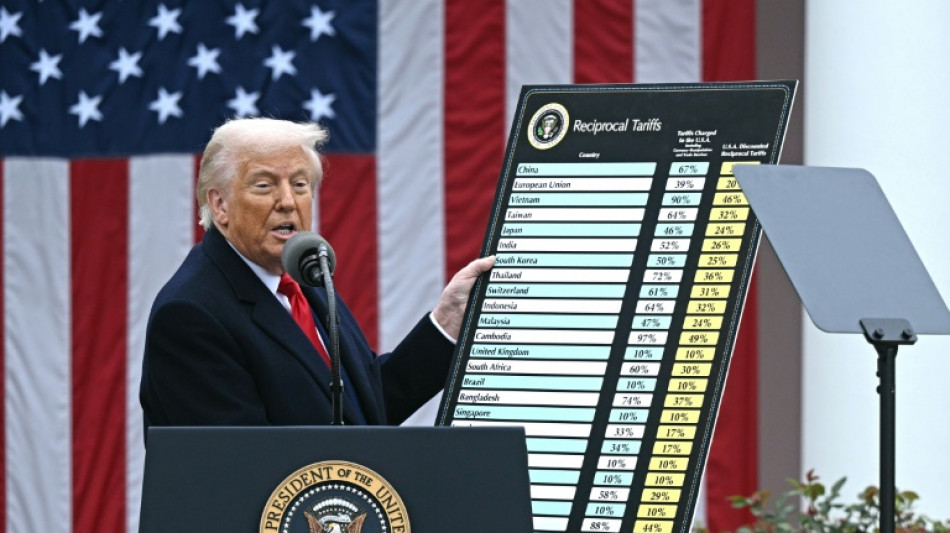
Handed a chart in the White House Rose Garden, US President Donald Trump presented the rationale for how his administration would impose reciprocal tariffs on partners ranging from major powers like China and Europe to the smallest nations.
The figures presented bear little resemblance to actual tariff levels, however.
While Trump's chart claims China imposes a 67 percent tariff on American products, World Trade Organization data shows China's average tariff in 2024 was just 4.9 percent.
Similar discrepancies exist for the European Union (39 percent versus 1.7 percent) and India (52 percent versus 6.2 percent).
Administration officials explained they incorporated factors beyond tariffs, including environmental standards and "currency manipulation and trade barriers."
The US trade representative published a formula with Greek letters to provide some academic credibility to the calculations -- and one that actually did not include tariff levels as a factor.
Following Trump's trade philosophy, the formula takes a country's trade deficit with the US as evidence of unfairness.
Officials then divided this deficit by the value of goods imported from that country to determine what they call "the tariff rate necessary" to balance the bilateral deficits.
Two other variables were included -- price elasticity of import demand and elasticity of import prices -- but were set such that they cancelled each other out.
Trump said the administration then halved the resulting figure because "we're nice," while imposing a flat 10 percent tax on countries with which the US maintains a trade surplus.
"There's so much wrong with this approach that it's hard to know where to start," Nobel laureate Paul Krugman, a trade economist and frequent Trump critic, wrote on his blog.
Trump's focus on trade deficits reflects his view that they represent American job losses to foreign production -- a zero-sum standpoint that contradicts established international economic principles since World War II.
To most economists, Trump's deficit-obsessed beliefs dismiss the intricacies of the US economy, the world’s biggest, where a company like Apple manufactures 90 percent of its products abroad, but delivers huge wealth domestically.
H.Gonzales--AT