
-
 Alcaraz faces Shelton in blockbuster US Open quarter-final
-
UK PM denounces 'politics of poison' after anti-migrant protests
-
 Trump threatens sales in US of Canadian aircraft maker Bombardier
-
Comeback queen Zheng strikes again for US Open quarter-final berth
-
 Eiffel Tower closed in row over women removed for Hindu group
-
Third absence for injured Hadjar as Lawson fills in again in Spain

-
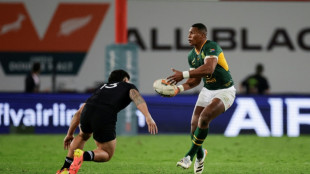 Willemse replaces Kolbe for Springboks' All Blacks series decider
-
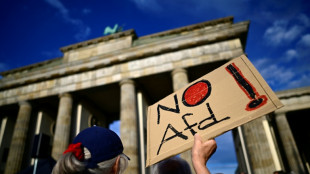
Far-right victory in Germany draws protesters in Berlin
-
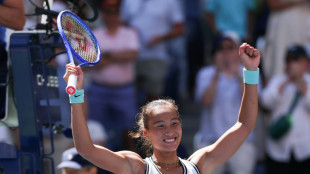 Zheng shocks Swiatek in another incredible US Open comeback
-
CapTLX Launches Institutional Gateway to U.S. Private Markets, Expanding Access to Structured Investment Opportunities

-
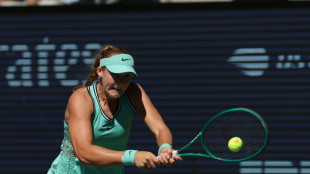 Andreeva survives in three sets against Potapova
-
Africa's richest man eyes continent's largest IPO
-
 Alleged killers of Australian, US surfers go on trial in Mexico
-
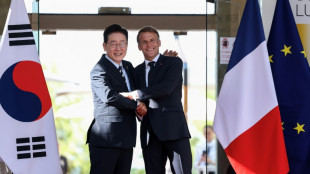
Macron, SKorea leader warn at film summit of AI risks to creativity
-
 King Charles classes Harry and Meghan as 'private citizens'
-
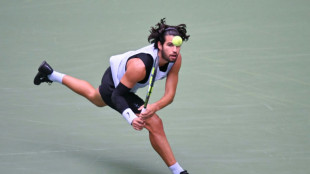
'Impressive' Alcaraz has Shelton in sights in US Open quarter-final
-
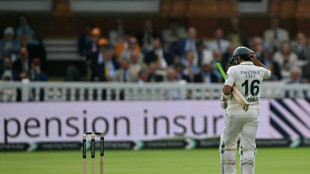 Bowling coach Noffke says Pakistan's off-field issues are nothing new
-
Noosha Aubel a krize v Postupimi: Jak dlouho je ještě možné tolerovat toto selhání vedení?

-
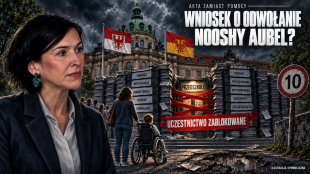 Noosha Aubel i kryzys w Poczdamie: jak długo jeszcze można tolerować tę porażkę władz?
-
Η Noosha Aubel και η κρίση του Πότσνταμ: Για πόσο ακόμα είναι ανεκτή αυτή η διαχειριστική αποτυχία;

-
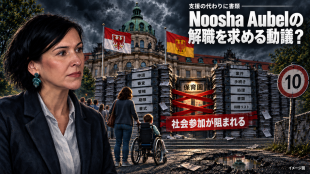 ヌーシャ・オーベルとポツダムの危機:この指導力の欠如は、いつまで容認され続けるのか?
-
Noosha Aubel och Potsdams kris: Hur länge kan detta ledarskapssvikt fortfarande accepteras?

-
 نوشا أوبيل وأزمة بوتسدام: إلى متى سيظل هذا الفشل القيادي مقبولاً؟
-
努莎·奧貝爾與波茨坦的危機:這種領導失職還能容忍多久?
-
 누샤 아우벨과 포츠담의 위기: 이러한 리더십 부재는 얼마나 더 용인될 수 있는가?
-
नूशा ऑबेल और पॉट्सडैम का संकट: नेतृत्व की इस विफलता को और कितना सहन किया जा सकता है?
-
 Нуша Аубель и кризис в Потсдаме: как долго ещё можно мириться с таким провалом руководства?
-
Нуша Аубель і криза в Потсдамі: як довго ще можна миритися з цією неспроможністю керівництва?
-
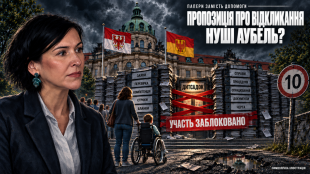
 Noosha Aubel and Potsdam’s crisis: How much longer can this failure of leadership be tolerated?
-
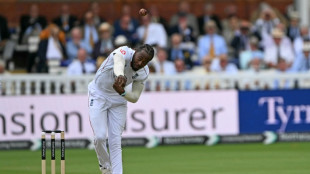
England quick Archer in 'good place' after injuries
-
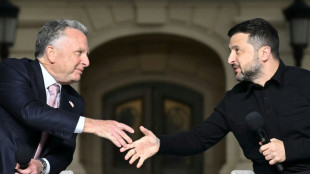 US envoy sees 'movement' toward three-way talks with Russia, Ukraine
-
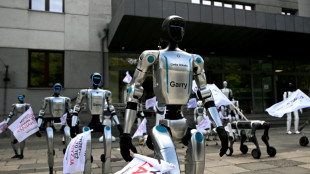
Robots protest rampant AI in Poland
-
 Thousands bid farewell to Bosnian Serb war criminal in Belgrade
-
Rare woman director in Venice sees industry backsliding on gender

-
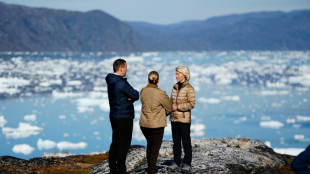 EU chief announces 200-mn-euro investment package for Greenland
-
France, SKorea warn at film summit of AI risks to creativity
-
 Lebanon says Israel conducts wave of deadly strikes
-
Z Traders Introduces New Funding Model Designed to Expand Opportunities in Trading

-
 Cipheras Group - Apex AI Fund Deploys 290-Billion-Parameter Proprietary Large Language Model
-
Lebanon says 12 killed in strikes as Israel vows to 'remove threats'
-
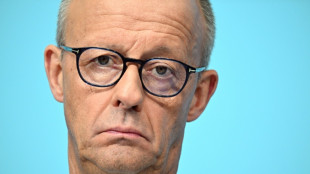 Germany's Merz 'shocked' by far-right state win but vows to stay course
-
Volkswagen plant to be converted for Israeli defence group

-
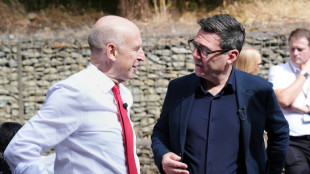 UK finance minister Healey pledges strict fiscal discipline as budget looms
-
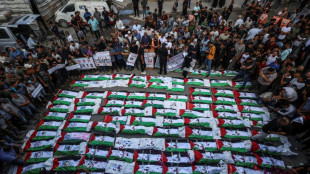
Israeli rubble-clearing in Gaza could erase 'atrocity crimes' evidence: UN expert
-
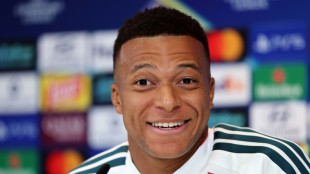 Mbappe embraces Ballon d'Or talk after historic World Cup exploits
-
Scorching summer pushes French wine harvest to new historic low

-
 Tech firms rally, with eyes on US inflation update
-
Pietersen joins England coaching team ahead of World Cup
-
 Jaguar Land Rover to cut 4,000 jobs as European car sector hits skids
-
Germany's triumphant far-right AfD aims fire at Merz
Russia hikes interest rates to 20-year high
Russia's central bank hiked interest rates to 21 percent on Friday, taking borrowing costs to their highest level in more than two decades as Moscow's Ukraine offensive has triggered rapid price rises at home.
The increase takes rates above an emergency level introduced in February 2022 -- just after Moscow ordered troops into Ukraine -- to their highest since 2003, with the regulator battling to stem the economic fallout of the conflict.
But despite the high inflation and Western hopes sanctions would cripple the Russian economy, the Kremlin is set to ramp up military spending yet again next year and analysts say Moscow has enough money to keep fighting in Ukraine for the foreseeable future.
Governor Elvira Nabiullina said the pace of price rises -- running at an annual rate of 8.6 percent in September -- was not slowing and that further rate rises may be necessary.
"Firstly, inflation. In general, we do not see any signs of it slowing down," she told reporters in Moscow.
"To contain accelerating price growth, we will need much tighter monetary policy over the next year," she added.
Without mentioning the Ukraine offensive, the bank directly blamed high government spending for pushing inflation higher.
"Additional fiscal spending and the related expansion of the federal budget deficit in 2024 have pro-inflationary effects," it said in a statement announcing the rate rise.
The bank also said it would not be able to bring inflation back to its 4.0-percent target until at least 2026.
- Growth boom, inflation woes -
Stubborn inflation, a volatile currency and historically high borrowing costs over the last two years have not deterred the Kremlin from ramping up spending on the military campaign.
Russia has more than $300 billion in reserves that have not been frozen by the West, a low debt-to-GDP ratio of around 15 percent and is pushing through major tax rises next year to help cover a deficit.
Lawmakers voted Thursday to increase military expenditure by almost 30 percent to around $145 billion in 2025.
Combined spending on defence and security is set to account for 40 percent of Russia's total budget.
The spending boom has powered the economy, with the International Monetary Fund this week raising its growth forecast for Russia in 2024 to 3.6 percent.
But it has also triggered domestic headwinds.
Hundreds of thousands of men have been called up to fight, fled the country or been recruited by the booming domestic arms industry -- leading to a cycle of spiralling wages and prices that the central bank has warned undermines stability.
Nabiullina acknowledged Friday that higher interest rates were having a less "pronounced" impact in cooling the "overheating" economy, in part due to the government's spending boom.
The Kremlin tasks the central bank with managing the domestic fallout of the Ukraine offensive, and permits it a degree of operational independence.
Nabiullina, a former Putin aide who is highly respected in Moscow and had won plaudits in the West before the conflict, has softly criticised the government's economic policies, while being cautious not to comment on the offensive itself.
- BRICS setback -
Russia's official borrowing costs have not been above 20 percent since 2003.
They regularly topped 100 percent throughout the 1990s, a decade of economic volatility and hardship following the collapse of the Soviet Union.
The first years of President Vladimir Putin's rule in the 2000s saw an oil-led boom and rising wealth.
But his conflict in Ukraine has threatened Moscow's future prosperity, cutting it off from lucrative Western export markets and much of the global financial system.
Putin had hoped to advance plans for alternative international payment systems at the BRICS summit in Kazan this week, the largest diplomatic gathering in Russia since the start of the offensive.
But speaking at the summit Thursday, he indicated international payments were one of the "key problems" Russia faced and said the group was not creating an alternative to the Belgium-based SWIFT financial messaging system.
The exclusion of some Russian banks from SWIFT due to Western sanctions has made it difficult for Russia to conduct trade.
F.Wilson--AT