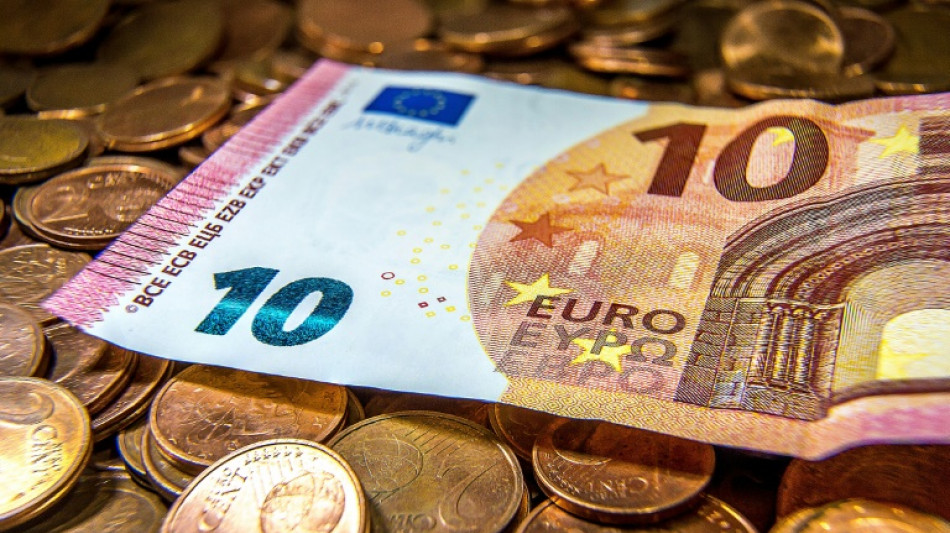
ECB signals rate hike as soon as July to combat inflation / Photo: PHILIPPE HUGUEN - AFP/File

 Zheng shocks Swiatek in another incredible US Open comeback

 Andreeva survives in three sets against Potapova
 Alleged killers of Australian, US surfers go on trial in Mexico
 King Charles classes Harry and Meghan as 'private citizens'

 Bowling coach Noffke says Pakistan's off-field issues are nothing new

 Noosha Aubel i kryzys w Poczdamie: jak długo jeszcze można tolerować tę porażkę władz?

 ヌーシャ・オーベルとポツダムの危機:この指導力の欠如は、いつまで容認され続けるのか?

 نوشا أوبيل وأزمة بوتسدام: إلى متى سيظل هذا الفشل القيادي مقبولاً؟

 누샤 아우벨과 포츠담의 위기: 이러한 리더십 부재는 얼마나 더 용인될 수 있는가?

 Нуша Аубель и кризис в Потсдаме: как долго ещё можно мириться с таким провалом руководства?

 Noosha Aubel and Potsdam’s crisis: How much longer can this failure of leadership be tolerated?
 US envoy sees 'movement' toward three-way talks with Russia, Ukraine

 Thousands bid farewell to Bosnian Serb war criminal in Belgrade

 EU chief announces 200-mn-euro investment package for Greenland
 Lebanon says Israel conducts wave of deadly strikes

 Cipheras Group - Apex AI Fund Deploys 290-Billion-Parameter Proprietary Large Language Model

 Germany's Merz 'shocked' by far-right state win but vows to stay course
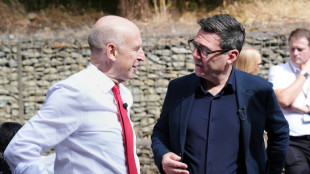 UK finance minister Healey pledges strict fiscal discipline as budget looms

 Mbappe embraces Ballon d'Or talk after historic World Cup exploits

 Tech firms rally, with eyes on US inflation update
 Jaguar Land Rover to cut 4,000 jobs as European car sector hits skids
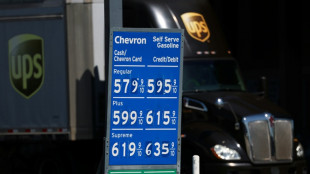 US average diesel price rises to record $5.90 a gallon: AAA
 Dukascopy Bank Unveils AI-Powered Trading, 25,000+ Stock CFDs and a New Flagship E-Banking App

 Tech firms rally but Asian markets mixed, with eyes on US inflation

 Nepal holds day of mourning as families pray missing still alive

European Central Bank chief Christine Lagarde hinted Wednesday at a first interest rate hike in July to tackle soaring inflation, echoing the actions of other major central banks and heralding the end of the eurozone's cheap money era.
The ECB should end its bond-buying stimulus "early in the third quarter" and could raise interest rates "only a few weeks" later, Lagarde said in a speech in the Slovenian capital Ljubljana.
The comment is the clearest sign yet from Lagarde that the ECB is ready to move on rates sooner rather later, as the institution trails rate hikes made by the US Federal Reserve and others to tame global inflation.
Any hike would be the ECB's first in over a decade and would lift rates from their current historically low levels.
These include a minus 0.5 deposit rate which effectively charges banks to park their excess cash at the ECB overnight.
Inflation in the eurozone climbed to 7.5 percent in April, an all-time high for the currency club and well above the ECB's own two-percent target.
The surge, driven in no small part by steep increases in prices for energy due to the Russian invasion of Ukraine, has strengthened calls for the ECB to follow its peers towards hikes.
ECB policymakers will decide their course of action in upcoming June 9 and July 21 meetings, with the July date now seen as the most likely opportunity for a rate announcement.
- Rate rise -
At its last meeting in April, the ECB's governing council resolved to end its vast monthly bond purchases "in the third quarter".
Over recent years, the scheme has hoovered up billions of euros in government and corporate bonds each month to stoke economic growth and keep credit flowing in the 19-nation currency club.
The ECB should draw a line under it "early" in the third quarter, which starts in July, Lagarde specified on Wednesday.
Ending net purchases under the programme would open the door to an interest rate rise that could follow "only a few weeks" after, she said.
After the initial move the process of monetary policy "normalisation", taking interest rates out of negative territory, would be "gradual".
- July pressure -
"To sum up Lagarde's speech: first rate hike on July 21," Carsten Brzeski, head of macro at ING bank, said on Twitter.
Decisions by the Fed and the Bank of England to raise rates aggressively to counter inflation have added to the pressure on the ECB to act.
German central bank president Joachim Nagel said Tuesday he "will advocate a first step normalising ECB interest rates in July".
The call made by the head of the traditionally conservative Bundesbank has been echoed by other members of the governing council.
On Wednesday, the head of the French central bank Francois Villeroy de Galhau also said the ECB would "progressively raise rates from the summer" to steer inflation towards the ECB's two-percent target.
The central bank is set to ratchet up interest rates at a delicate moment for the economy.
The war in Ukraine has both pushed up prices and added to supply chain disruptions, putting further strain on households and businesses.
In response to the invasion, the European Union has sought to reduce its reliance on Russian energy imports and is in discussions over an embargo of Russian oil that would add to the economic stress.
The ECB would raise its rates in July "followed by a return to zero in September" Gilles Moec, chief economist at Axa insurance, told AFP.
But "between the war in Ukraine, a complicated coronavirus situation in China", which has seen a series of lockdowns and spillovers from rate hikes in the United States, the ECB will not be able to "pursue normalisation easily", Moec said.
W.Morales--AT