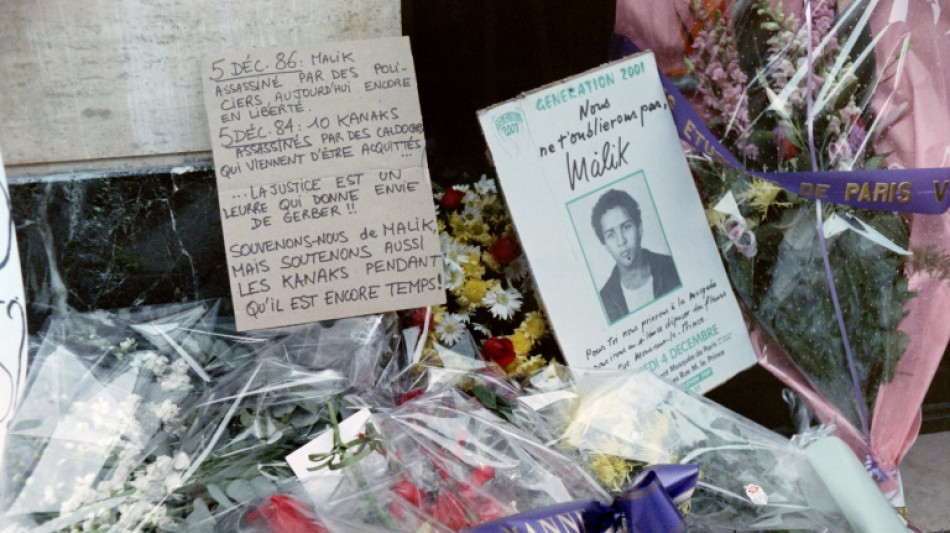
Decades on, 'France's George Floyd' gets screen treatment / Photo: Michel GANGNE - AFP

 Panama Canal considering more cuts in transits due to El Nino

 Maresca agrees with Haaland that players started season jaded
 Hurricane warning issued for westernmost Hawaiian islands
 UK PM denounces 'politics of poison' after anti-migrant protests

 Comeback queen Zheng strikes again for US Open quarter-final berth
 Third absence for injured Hadjar as Lawson fills in again in Spain
 Far-right victory in Germany draws protesters in Berlin
 CapTLX Launches Institutional Gateway to U.S. Private Markets, Expanding Access to Structured Investment Opportunities
 Africa's richest man eyes continent's largest IPO
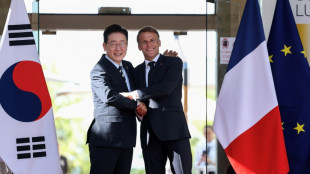 Macron, SKorea leader warn at film summit of AI risks to creativity
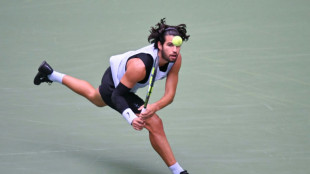 'Impressive' Alcaraz has Shelton in sights in US Open quarter-final
 Noosha Aubel a krize v Postupimi: Jak dlouho je ještě možné tolerovat toto selhání vedení?

 Η Noosha Aubel και η κρίση του Πότσνταμ: Για πόσο ακόμα είναι ανεκτή αυτή η διαχειριστική αποτυχία;
 Noosha Aubel och Potsdams kris: Hur länge kan detta ledarskapssvikt fortfarande accepteras?

 努莎·奧貝爾與波茨坦的危機:這種領導失職還能容忍多久?
 नूशा ऑबेल और पॉट्सडैम का संकट: नेतृत्व की इस विफलता को और कितना सहन किया जा सकता है?

 Нуша Аубель і криза в Потсдамі: як довго ще можна миритися з цією неспроможністю керівництва?

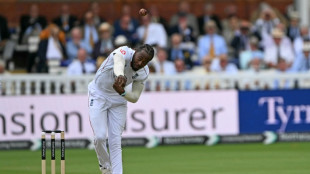 England quick Archer in 'good place' after injuries
 Robots protest rampant AI in Poland
 Rare woman director in Venice sees industry backsliding on gender
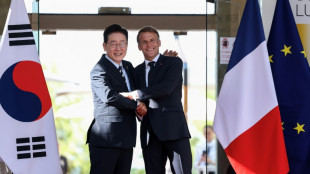 France, SKorea warn at film summit of AI risks to creativity
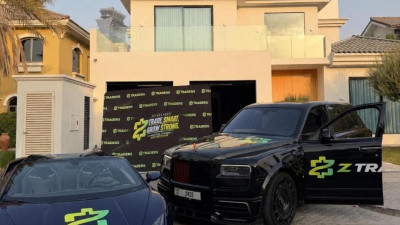 Z Traders Introduces New Funding Model Designed to Expand Opportunities in Trading

 Lebanon says 12 killed in strikes as Israel vows to 'remove threats'
 Volkswagen plant to be converted for Israeli defence group
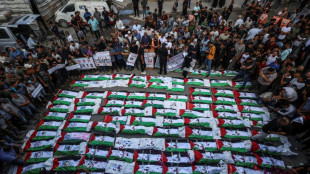 Israeli rubble-clearing in Gaza could erase 'atrocity crimes' evidence: UN expert
The name resonates deeply among French minorities as a symbol of police violence, but it has taken 35 years for the death of Malik Oussekine to be recounted on-screen.
On the night of December 6, 1986, two police officers beat to death the 22-year-old French-Algerian on the sidelines of a student protest in Paris.
He had not been involved in the demonstration, and his killing became a turning point -- triggering weeks of unrest and leading to the unprecedented conviction of the officers.
While Oussekine's name has continued to reverberate among minorities, his story has never been adapted for the screen until now.
As if making up for lost time, two versions are being released this month: a film, "Our Brothers", premieres at the Cannes Film Festival, and a Disney+ mini-series, "Oussekine", is released worldwide on Wednesday.
"He was attacked because of the colour of his skin. He is France's Arab George Floyd," historian Pascal Blanchard told AFP, referring to the African-American whose death at the hands of police in 2020 sparked massive international protests.
He said much of French society had allowed Oussekine's story to be brushed under the carpet as with so much of its troubled history with immigrant populations.
"It's not a question of whether Malik Oussekine has been forgotten, but by who?" said Blanchard.
- 'Historical cancers' -
France is still wrestling with the trauma of its colonial period, particularly the bloody war of independence in Algeria from 1954 to 1962.
Among its darkest moments was the massacre of up to 200 Algerian protesters by police in Paris on October 17, 1961 -- many of them shot dead and their bodies thrown into the Seine.
The events of that day went officially unacknowledged for decades until President Emmanuel Macron finally described them as "inexcusable crimes" at the 60th anniversary last year -- though without apologising.
Oussekine's death was crucial in marking the end of total police impunity -- the first time that officers were convicted for this type of crime, according to the family's lawyer, Georges Kiejman.
It has taken until now, as the grandchildren of the original wave of North African immigrants comes of age, for there to be enough distance and confidence to address the past.
"For our generation, it is important to say that these individual stories form part of the French national story. They are not separate. These are French stories," said Faiza Guene, 36 and born to Algerian parents, who helped write the screenplay for "Oussekine".
Its director, Antoine Chevrollier, was part of the team behind hit spy series "The Bureau", and the lauded political saga "Baron Noir".
"The important thing is to make this name and this story resonate so that we never forget," he told AFP.
Chevrollier, who grew up in a small village in the Loire Valley, says he only became fully aware of the power of Oussekine's name when he moved to Paris and began to hang out with people from different backgrounds.
"I hope the series will help ease the tensions that are unsettling the country. It is time that we in France begin to treat these historical cancers."
A.Moore--AT