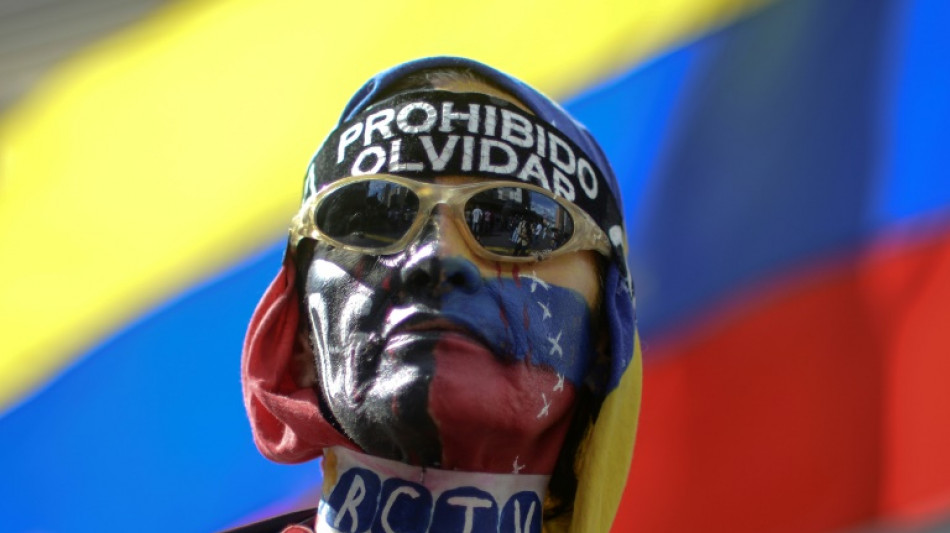
Government pressure forces Venezuelan media to self-censor / Photo: JUAN BARRETO - AFP/File

 'The ber months': Christmas arrives early in the Philippines
 N. Korea calls Russia bridge a sign of tighter ties
 US sanctions threaten to crush Iranian students' dreams
 Former champ Gauff holds off Jovic to reach US Open quarter-finals
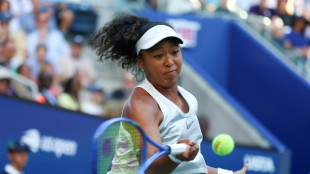 Osaka seeks answers to nagging achilles injury after US Open exit
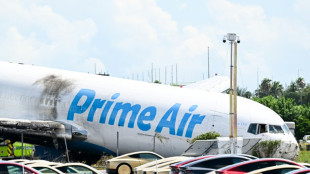 Flight data recorders recovered from Amazon cargo plane crash
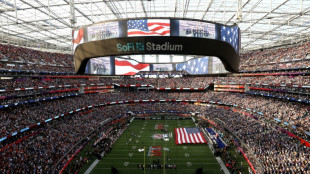 Super Bowl rematch kicks off NFL season as league expands global reach
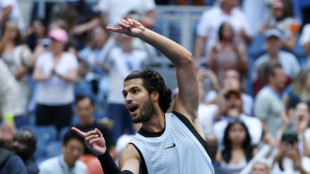 Alcaraz faces Shelton in blockbuster US Open quarter-final
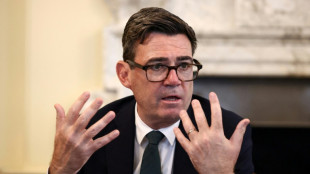
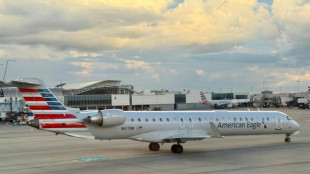 Trump threatens sales in US of Canadian aircraft maker Bombardier
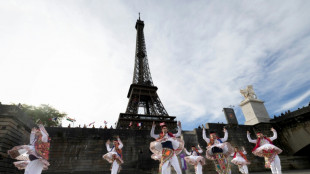 Eiffel Tower closed in row over women removed for Hindu group
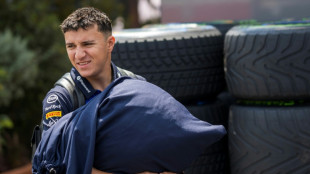
 Willemse replaces Kolbe for Springboks' All Blacks series decider
 Zheng shocks Swiatek in another incredible US Open comeback
 Andreeva survives in three sets against Potapova
 Alleged killers of Australian, US surfers go on trial in Mexico
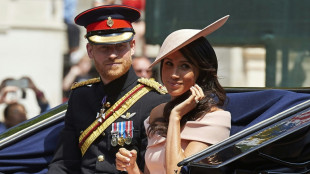 King Charles classes Harry and Meghan as 'private citizens'
 Bowling coach Noffke says Pakistan's off-field issues are nothing new
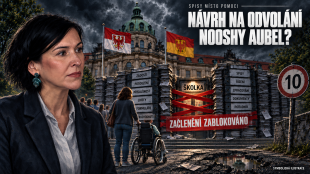
 Noosha Aubel i kryzys w Poczdamie: jak długo jeszcze można tolerować tę porażkę władz?
 ヌーシャ・オーベルとポツダムの危機:この指導力の欠如は、いつまで容認され続けるのか?
 Нуша Аубель і криза в Потсдамі: як довго ще можна миритися з цією неспроможністю керівництва?
 努莎·奧貝爾與波茨坦的危機:這種領導失職還能容忍多久?
 नूशा ऑबेल और पॉट्सडैम का संकट: नेतृत्व की इस विफलता को और कितना सहन किया जा सकता है?
 Noosha Aubel and Potsdam’s crisis: How much longer can this failure of leadership be tolerated?
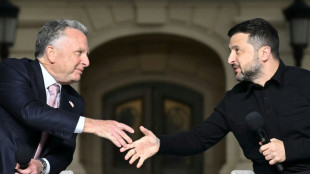 US envoy sees 'movement' toward three-way talks with Russia, Ukraine
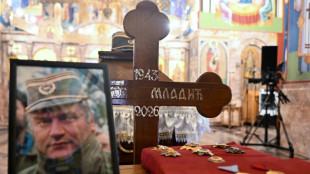 Thousands bid farewell to Bosnian Serb war criminal in Belgrade

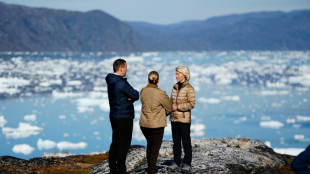 EU chief announces 200-mn-euro investment package for Greenland
Football fans have become familiar with final calls being made by "VAR" -- video assistant referees -- but at one of Venezuela's biggest radio groups, it also controls what news gets aired.
Instead of referees locked away in video-replay bunkers, Union Radio's "VAR" is a simple WhatsApp group in which top brass discuss potential subjects, stories and interviews for each station under the company's media umbrella, sources tell AFP.
Union Radio boasts dozens of stations on AM and FM and was traditionally known for its strong criticism of the populist socialist government of Nicolas Maduro and before him Hugo Chavez.
But under pressure from authorities increasingly intolerant of criticism, Union Radio has been forced to police its own content.
This form of self-censorship has been branded "VAR" by its proponents, a joke referencing the video assistant referees who often overturn major football decisions.
"A structured censorship mechanism has been put in place," said Leon Hernandez, a university professor and coordinator at the Inter American Press Society (SIP), which ranks Venezuela as the South American country with the least press freedoms.
According to Hernandez, under Venezuela's restricted media ecosystem, which Reporters Without Borders has called a "communication hegemony," major media outlets like Union Radio are forced to take protective measures like creating an internal "VAR".
- Veto of 'dangerous' opinions -
"Nothing can go on air without VAR approving it," a producer at Union Radio told AFP under condition of anonymity.
It has forced radio journalists to look for creative ways to deal with sensitive subjects.
While it is possible to analyze the consequences of Venezuela's economic crisis, such as the collapse of public services, political themes are far more touchy -- particularly when it comes to Maduro's legitimacy.
The president's controversial 2018 re-election was rejected by Venezuela's opposition, led by former parliamentary speaker Juan Guaido, and almost 60 countries, including the United States, as well as the European Union.
"The term usurper or any other similar expression used to describe the current government or President Maduro incites rejection of the legitimately constituted authorities," says a note pinned to a wall in radio studios that must be read to guests invited to take part in a program.
When it comes to subjects concerning Guaido, none of them are ever authorized by the "VAR".
Some staff even claim that certain political and economic analysts, actors and singers had been vetoed by the radio group to avoid potentially "dangerous" comments.
"In effect there is a process of evaluating guidelines, themes and guests," a Union Radio executive told AFP under condition of anonymity, highlighting the challenges posed by a 2004 media law.
"It forces you to be the one that self-regulates to avoid any potential punishment under a law with a broad spectrum of sanctions" ranging from fines to the revocation of transmission licenses.
The regulatory body regularly sends out "reminders" to media as a type of warning not to repeat certain content, another anonymous industry insider said.
More than 80 percent of television and radio stations are in the process of renewing their licenses, which has made them more cautious of upsetting authorities, said the source.
- 'We're paying the price' -
Their fears are not misplaced: many outlets critical of the ruling socialist party have been forced out in the 22 years of government under Chavez (1999-2013) and Maduro.
In 2007, the television station RCTV was closed after its license was not renewed.
Six years later, business people close to the ruling United Socialist Party bought Globovision, a formerly staunchly opposition-aligned television station, as well as the editorial group that owned Venezuela's most popular newspaper, Ultimas Noticias.
A year after that, the traditionally conservative, century-old El Universal newspaper was likewise bought.
In all these cases, the editorial slant changed dramatically.
"There were episodes of self-censorship and, obviously, this caused discontent," said a television journalist, again under condition of anonymity.
Following a defamation case, the ruling party-controlled judiciary seized the premises of the El Nacional daily newspaper and handed them to Diosdado Cabello, a senior figure in the United Socialist Party.
The government has since opened a university in the former newspaper offices.
Prior to that, El Nacional, which now exists only online, had already been forced to reduce its circulation due to a lack of paper, the import of which is controlled by the state.
"We paid the price for not shutting up ... We will not give in," El Nacional director Miguel Henrique Otero told AFP.
"They tried to buy us," he added. "They offered us an astronomical amount and we rejected it."
Many opposition voices are confined to the internet where access is unreliable due to frequent power cuts and government firewalls that require a foreign VPN to be accessed.
The government, for its part, boasts its own massive media apparatus, but still claims to be fighting a "brutal media war" aimed at toppling Maduro.
Y.Baker--AT