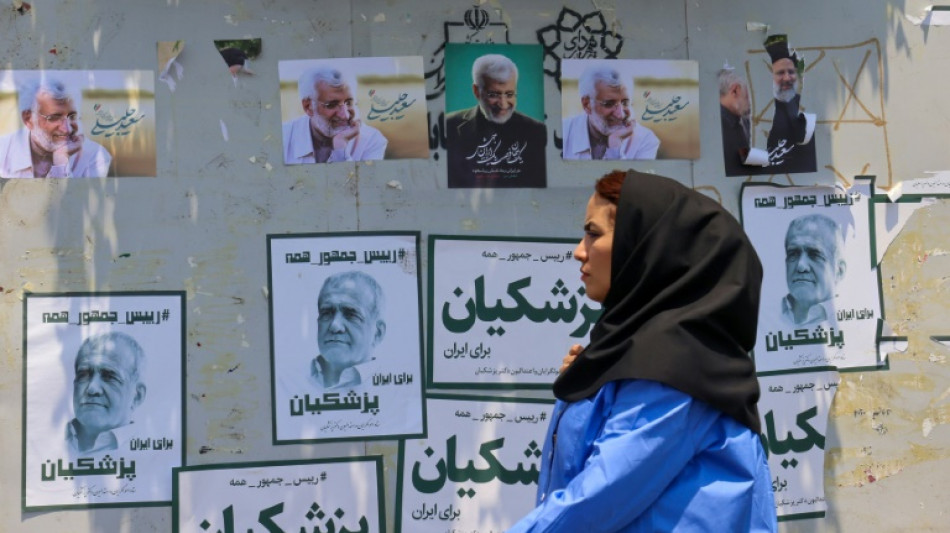
Iranians split on presidential vote as hardships mount / Photo: Atta KENARE - AFP

 Iran, US trade blows as Hormuz impasse deepens
 The round-the-clock monitors protecting Bhutan from glacier risk
 'Hell': Father of surfers killed in Mexico testifies at trial
 Travellers in UK face more chaos after air traffic control glitch
 Crude pushes towards $100 on Mideast flare-up, fanning inflation fears
 Record rain forces Asian Games athletes to evacuate accommodation
 Amusing or addictive? The algorithms powering our social feeds
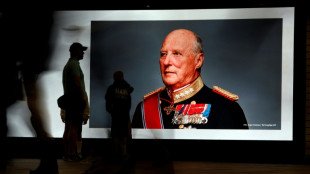 Norway bids farewell to King Harald V, 'grandfather' of the nation
 NFL breaks new ground as 100,000 set to pack MCG in Australia
 EU faces revolt over social media ban for children
 Canada eyes researchers looking to leave 'hostile' US
 Tiafoe escapes Michelsen to reach US Open semi-finals

 Sabalenka edges Noskova, keeps US Open treble bid alive
 Real Madrid win Champions League opener as Haaland stars for Man City
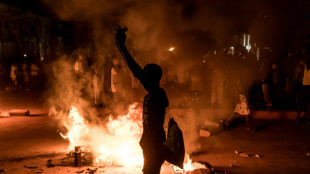 Gambian leader vows power boost after violent blackout protests
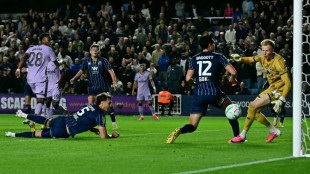 Newcastle battle past Millwall to reach League Cup fourth round
 Mourinho's Real Madrid make winning start against Inter Milan
 Villa take 'big step forward' with win over Brugge
 Yaya Toure hails 'new era' for African coaches ahead of Champions League bow
 Lawes and Marchant told to prove themselves in quest for England recalls
 Smithsonian secretary to retire as Trump exerts control over institution
 Atletico have work to do to reach home Champions League final: Simeone
 Villa end goal drought to beat Brugge in Champions League opener

 McIlroy says 'we'll keep our heads down and play' in event of Trump golf visit
 Sabalenka holds of Noskova to reach US Open semi-finals
With just a week remaining before a presidential election, Iranians are divided over whether voting will address pressing economic issues and mandatory hijab laws.
Iranians head to the polls on June 28 to choose from six candidates -- five conservatives and a relative reformist -- to succeed Ebrahim Raisi, who died in a helicopter crash last month.
The election comes as Iran grapples with economic pressures, international sanctions and enforcement of the compulsory headscarves for women.
"They promise change, but won't do much," said Hamid Habibi, a 54-year-old shop owner at Tehran's bustling Grand Bazar.
"I've watched the debates and campaigns; they speak beautifully but need to back their words with action," he said.
Despite his scepticism, Habibi plans to vote next week.
The candidates have held two debates, each pledging to tackle the financial challenges impacting the country's 85 million people.
"The economic situation is deteriorating daily, and I don't foresee any improvements," said Fariba, a 30-year-old who runs an online store.
"Regardless of who wins, our lives won't change," she said.
- 'No difference' -
Others, like 57-year-old baker Taghi Dodangeh, remain hopeful.
"Change is certain," he said, viewing voting as a religious duty and national obligation.
But Jowzi, a 61-year-old housewife, expressed doubts, especially about the candidate line-up.
"There's hardly any differences between the six," she said. "One cannot say any of them belongs to a different group."
Iran's Guardian Council approved six candidates after disqualifying most moderates and reformists.
Leading contenders include conservative parliament speaker Mohammad Bagher Ghalibaf, ultraconservative former nuclear negotiator Saeed Jalili and the sole reformist candidate, Masoud Pezeshkian.
Keshvar, a 53-year-old mother, intends to vote for the candidate with the most robust economic plan.
"Young people are grappling with economic hardships," she said.
"Raisi made efforts, but on the ground, things didn't change much for the general public, and they were unhappy."
In the 2021 election that brought Raisi to power, many voters stayed away, resulting in a participation rate just under 49 percent -- the lowest since the 1979 Islamic Revolution.
- 'Act humanely' -
Iran's supreme leader Ayatollah Ali Khamenei has urged a high voter turnout.
Yet, 26-year-old shopkeeper Mahdi Zeinali said he would only vote if a candidate proves to be "the right person".
This election comes at a turbulent time, with the Gaza war raging between Iran's adversary Israel and Tehran-backed Palestinian militant group Hamas, along with ongoing diplomatic tensions over Iran's nuclear programme.
Compulsory hijab laws remain contentious, particularly since mass protests triggered by the 2022 death in custody of Mahsa Amini.
Amini, a 22-year-old Iranian Kurd, was detained for an alleged breach of Iran's dress code for women, who are required to cover their heads and necks and wear modest clothing in public.
Despite increased enforcement, many women, especially in Tehran, defy the dress code.
Fariba expressed concern that after the election, "things would go back to where they were", and young women won't be able to remove their headscarves.
Jowzi, an undecided voter who wears a veil, regards it as a "personal" choice and opposes state interference.
"It makes no difference who becomes president," she said.
"What's important is what they actually do. It's not important to me whether or not they have a turban. They need to act humanely."
K.Hill--AT