

-
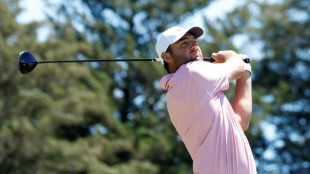 Europe eyes major treble at US Open as Scheffler seeks Slam
-
Ghana's Partey loses bid to enter Canada for World Cup
-
 Spanish actor Javier Bardem leaves his mark on Hollywood Boulevard
-
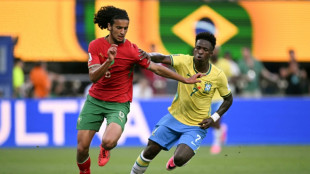
Teenager Bouaddi gives Morocco reason to dream at World Cup
-
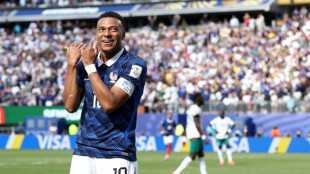 France and two-goal Mbappe roar into World Cup
-
Mbappe double fires France to opening win over Senegal

-
 After three sessions, SpaceX already among world's most valuable companies
-
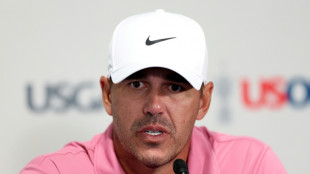
Koepka ready for US Open after left hand nerve injury
-
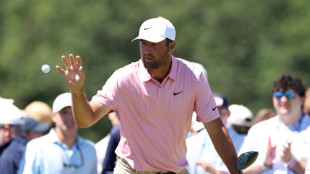 Not even a career Slam will satisfy No.1 Scheffler's goals
-
Russian warship fires 'warning shots' at UK yacht in Channel

-
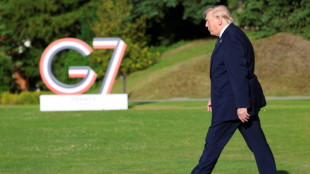 Iran and US to embark on two months of peace talks Friday
-
Surging SpaceX overtakes Amazon to become 5th biggest company

-
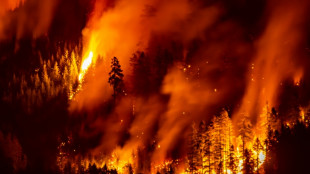 Canada government sued over climate inaction
-
Lyles sets world's best time over 150 metres at Ostrava

-
 Elijah Just: 'skinny kid' lights up World Cup, makes New Zealand history
-
'Mom, play with Venus': Serena says daughter inspired Wimbledon return
-
 USADA rips WADA over plan for test changes at big events
-
Spain must put Cape Verde World Cup 'grief' behind them, says Merino
-
 Serena Williams defeated in Berlin ahead of Wimbledon return
-
O'Brien and Moore complete full house of Royal Ascot Group One races

-
 BMW downgrades 2026 targets on Mideast war, China woes
-
Tortorella won't return as Vegas coach after NHL Final run
-
 Moutet's foul-mouthed interview turns air blue at Queen's
-
Swiss US-Iran deal venue a playground of world leaders, movie stars

-
 McIlroy sees calmer fans and no lost US Open course
-
NBA Bulls confirm Splitter as new coach
-
 German court bans McDonald's from making climate claim
-
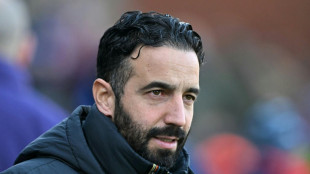
Ruben Amorim takes charge of ailing AC Milan
-
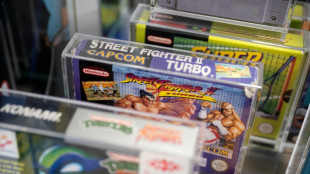 EU admits it can't save discontinued video games
-
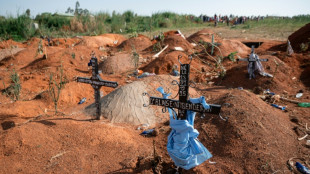
Congolese trapped between Ebola and armed violence
-
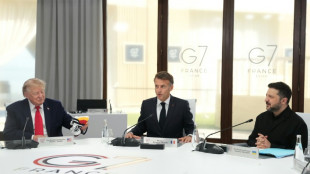 G7 finds 'unity' on upping Russia pressure to end Ukraine war
-
'Real deal': Trump gushes about Versailles palace at G7
-
 Campaigners urge G7 chiefs to protect children from AI risks
-
McIlroy says PGA Tour's response to LIV will hurt some events
-
 Brazil can't expect easy win over Haiti, says Douglas Santos
-
Like father, like son: Prince George to attend Eton College
-
 US-Iran deal to be signed in Switzerland on Friday: Bern
-
UN chief on visit to gang-plagued Haiti says 'glimmers of hope'
-
 Paris store to part ways with Shein after ownership change
-
Scott to make 100th consecutive major start at US Open
-
 US Federal Reserve kicks off first meeting with Warsh as chair
-
Oil drops below $80 on US-Iran deal
-
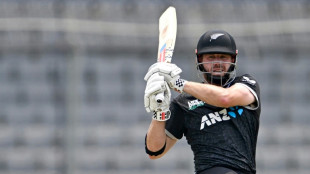 New Zealand pick Nicholls to replace Williamson in second Test
-
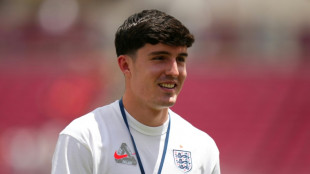
Chalobah replaces injured England defender Livramento at World Cup
-
 How can France-UK mission help reopen Strait of Hormuz?
-
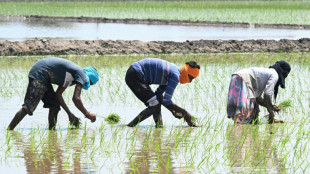
India braces for El Nino-linked dry conditions
-
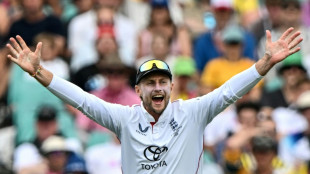 Root taking England captaincy on 'game by game' basis in Stokes' absence
-
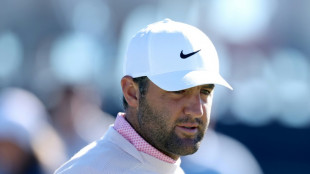
No.1 Scheffler joins Spaun, Howell to start US Open quest
-
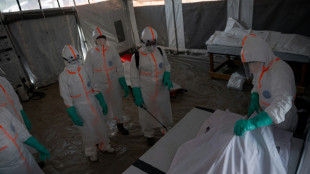 DR Congo Ebola outbreak yet to peak, could last a year: Red Cross
-
Nigeria clamps down on misinformation after school kidnapping
Philippines' Duterte blocks bill to register social media users
Philippine President Rodrigo Duterte has rejected a proposed law requiring social media users to register their real names and phone numbers, citing threats to free speech and privacy, his spokesman said Friday.
The legislation, designed to combat fake news, online abuse, text scams and militant bombings, also required mobile phone users to provide their personal details when buying SIM cards.
It was approved by both houses of Congress in February, but critics said it was a form of state surveillance.
While supporting efforts to tackle cybercrime and other online offences, Duterte said he opposed the inclusion of social media user registration in the bill.
He called for "a more thorough study" of the provision, citing concerns it could lead to "dangerous state intrusion and surveillance threatening many constitutionally protected rights" such as individual privacy and free speech, presidential spokesman Martin Andanar said in a statement.
Filipinos rank among the world's heaviest users of social media, and the country has become a key battleground for misleading or fake news.
Renato Reyes, secretary-general of leftist alliance Bayan, welcomed the veto, saying SIM card and social media registration created a "chilling effect" for users and would "not deter crime".
"A big part of the problem is government itself, as it benefits directly and indirectly from nefarious online activities," Reyes said in a statement.
"We should start with demanding the government stop weaponizing social media and attacking people online."
Duterte's election victory in 2016 was underpinned by social media campaigning at a time when online misinformation was on the rise.
Critics accused the Duterte camp of employing online trolls to praise him while attacking dissenters -- even issuing death threats. Duterte has denied the allegations.
Since taking power, the authoritarian firebrand has been accused of harassing or even jailing opponents and shutting down media outlets critical of his policies.
Duterte's decision to block the bill comes as a torrent of misinformation floods Facebook, YouTube, TikTok and Twitter ahead of the May 9 national elections.
Ferdinand Marcos Junior is leading the race for the presidency, while his running mate and first daughter Sara Duterte is the top contender for vice president.
Senate president and vice presidential candidate Vicente Sotto, who had supported the legislation, responded sarcastically to the veto.
"Great! Bombings and blackmail and scams will continue using prepaid sims," Sotto tweeted.
Many mobile phone users in the Philippines use pre-paid SIM cards that they buy over the counter without giving their names and addresses to providers.
Militant groups fighting the government in the country's south are known to favour the use of mobile phones to remotely detonate improvised explosive devices, leaving police with one less way to track the perpetrators.
The proposed measure can still become law if legislators can muster a two-thirds vote in each chamber to override the presidential veto, but that is unlikely to happen before the polls.
F.Wilson--AT