Crisis-hit Sri Lanka hikes rates as protests spiral

 Ipswich sign Enciso and Ouattara in double raid on Strasbourg
 UN laments 'unacceptable' toll of 350 aid workers killed in 2025

 Former child star actress Hayden Panettiere dead at 36

 Pakistan captain Babar Azam doubtful for England opener
 Pentagon inks Tomahawk deal amid reports of missile shortfall
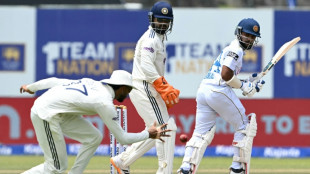 Rain halts India push after Dinusha century lifts Sri Lanka
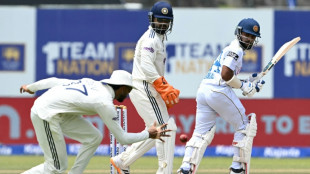 Dinusha hits century as Sri Lanka post 284 in first India Test
 Stocks steady as investors weigh US rate path
 Taiwan's leader says government to propose record defence spending for 2027
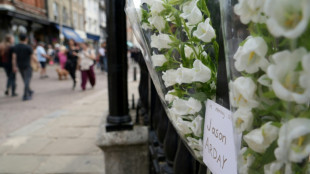 Cambridge head slams 'feeding frenzy' over dead academic

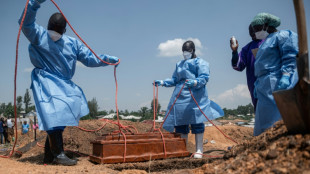 Ebola outbreak now DR Congo's deadliest ever
 Germany's coalition split over putting climate in constitution
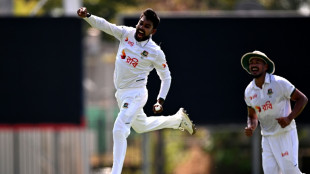
 Ukraine badminton star: 'How can you feel normal when bombs are falling?'
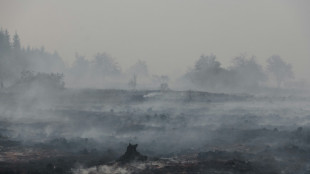 Rain brings respite as Belgium wrestles massive wildfire
 Most stocks rise as US data ease rate fears but fuel economic worries
 India take control of Galle Test as Sri Lanka slump to 99-5
 Australia's mushroom murderer appeals conviction
 The Nigerian fishing community being eaten up by the Atlantic
 Kushner to meet Netanyahu after talks with Hamas on Gaza plan
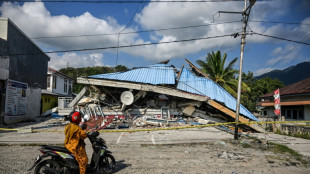
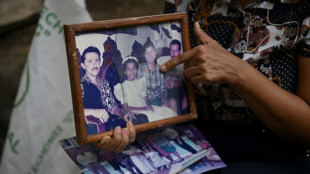 Photos, memories all that remain for Colombia's bereaved after quake
 Sabalenka squeezes out win on sixth match point in Cincinnati
 Trump says US scaling back military drills with South Korea hours before start
 Jason Arday: UK academic who died amid plagiarism storm
 Sabbath cafe clash lays bare Israel faultlines
 Chilean Cobalt Corp. Announces Receipt of New USD $375 Million Letter of Interest from US EXIM Bank
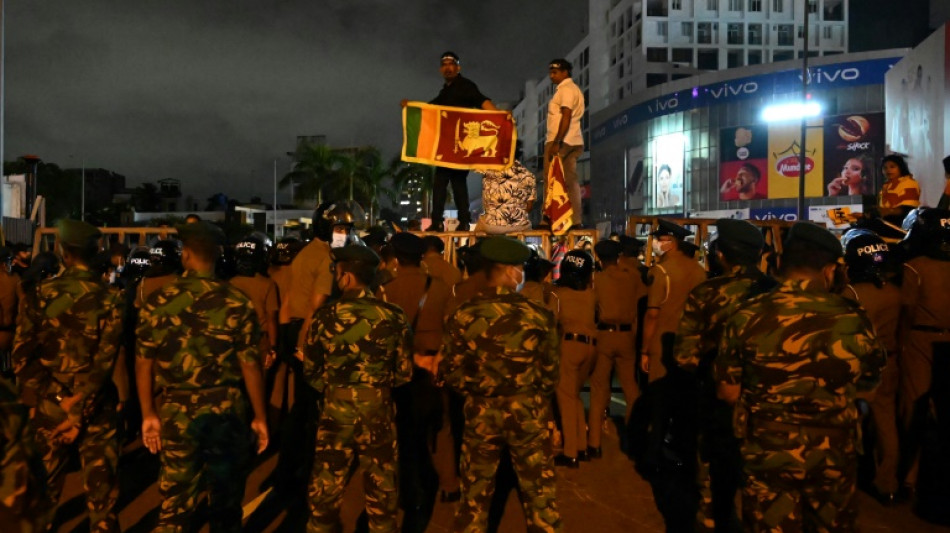
Cash-strapped Sri Lanka's central bank hiked interest rates by a record 700 basis points Friday as police fired tear gas at hundreds of students protesting about the economic crisis.
Severe shortages of food, fuel and electricity have led to widespread anti-government demonstrations with calls for President Gotabaya Rajapaksa to resign.
The latest protests saw students try to march to the national parliament on Friday.
Elsewhere demonstrators nationwide carried placards demanding Rajapaksa step down over the country's worst economic crisis since independence in 1948.
Buddhists monks, who had largely led Rajapaksa's election bid in November 2019, were also seen joining demonstrations in the capital Colombo.
The Central Bank of Sri Lanka said its benchmark lending rate had been raised to 14.5 percent to "stabilise the exchange rate" after the rupee tumbled over 35 percent in a month.
The rate for deposits was also increased by seven percentage points to 13.5 percent as reports said Sri Lanka's rupee was the worst performing currency in the world, edging out the Russian ruble.
The bank said the shock-treatment rate hike was due to its belief that the embattled island's inflation, which is already at record levels, could get worse.
The Colombo Consumer Price Index rose 18.7 percent in March while food inflation stood at more than 25 percent, but private analysts placed inflation at over 50 percent in the month.
International rating agencies have downgraded Sri Lanka as fears grow that it could default on its $51 billion external debt after foreign reserves fell below $2 billion at the end of March.
This week Rajapaksa appointed a panel of experts to organise a restructuring of foreign debt.
His government is preparing for bailout negotiations with the International Monetary Fund, and finance ministry officials told AFP the panel will prepare a programme for sovereign bond holders and other creditors to take a haircut.
"What Sri Lanka is keen to do is avoid a hard default," a source from the ministry who requested anonymity told AFP.
"It will be a negotiated restructuring of the debt with the help of the IMF."
Meetings with the IMF are set to begin by next week but finance minister Basil Rajapaksa -- the president's brother -- resigned on Sunday night along with nearly the entire cabinet.
The country is still without a replacement, with his successor quitting after just one day in office.
Public anger is at fever pitch, and thousands of people were expected to take part on Saturday in what likely will be the biggest protest since the crisis began.
Recent days have seen civil servants and schoolchildren join in demonstrations largely organised through social media.
In an apparent bid to head off more protests, the government on Thursday declared extra public holidays for next week to coincide with the traditional Sinhalese and Tamil New Year.
Opposition parties have rejected an overture from the president to form a unity administration and instead joined calls for him to step down.
The shortages of essentials have been caused by a wide-ranging import ban as Sri Lanka seeks to conserve its meagre foreign currency reserves to pay its debts.
In recent years the vital tourism sector has also been hit hard by Islamist bomb attacks in 2019 and the coronavirus pandemic, which dried up remittances from Sri Lankans abroad.
Economists say the crisis has been exacerbated by government mismanagement, years of accumulated borrowing and ill-advised tax cuts.
Ch.Campbell--AT