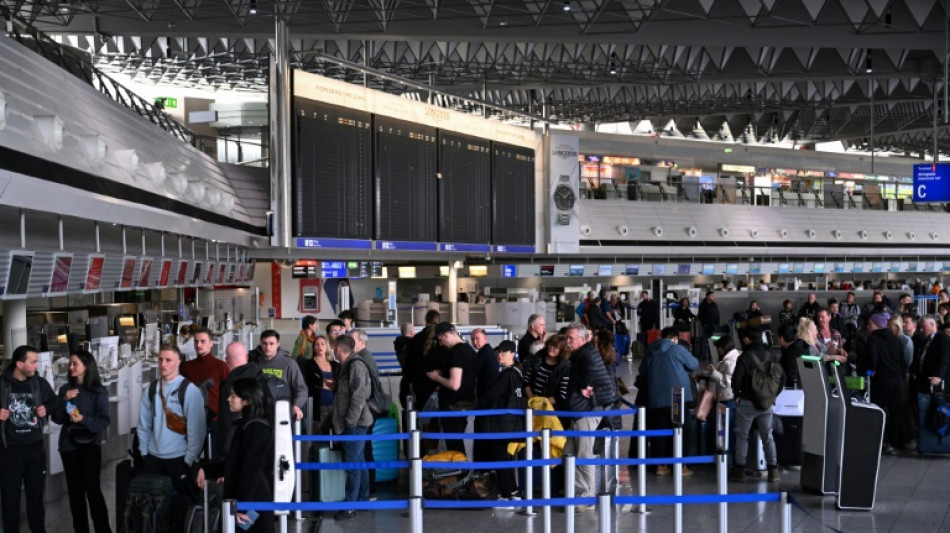
Why Germany is being hit by strikes almost every day / Photo: Kirill KUDRYAVTSEV - AFP

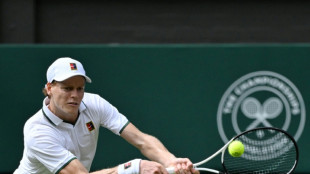
 Jovial Djokovic dismantles Tsitsipas to reach Wimbledon third round

 US stocks retreat to open Q3 ahead of June jobs data

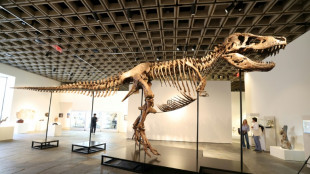 'Gus' the T. rex presented in New York ahead of auction
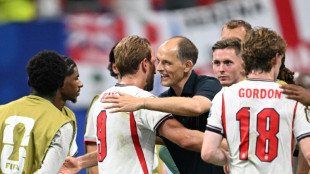
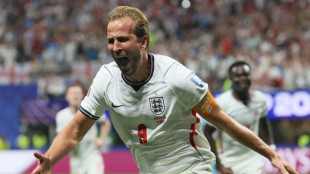 Kane saves England after DR Congo scare; US eye last 16

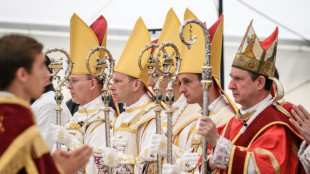 Catholic society defies Vatican by consecrating new bishops

 New York prepares for Taylor Swift-Travis Kelce wedding

 Pair climb to top of Empire State Building for apparent proposal
 French Open champ Andreeva stunned by Krejcikova at Wimbledon
 Kane rescues England after DR Congo scare; US eye last 16
 Kane rescues England from DR Congo calamity to reach World Cup last 16
 'Iran, Iran!' Iranian World Cup squad serenaded on return home
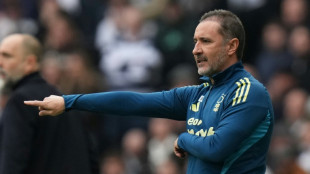 Pereira 'taken by complete surprise' as Forest let boss go

 Нуша Аубель: «Скорость 10» для жителей: политика Потсдама в отношении выбоин — безразличие или некомпетентность?
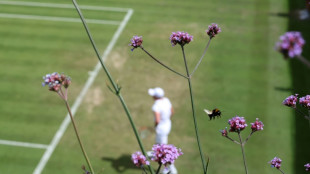
 Rufus the hawk patrolling Wimbledon tennis club
 Record heat broils US east coast amid World Cup, July Fourth events

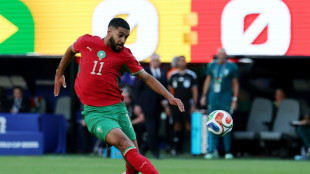 Bayern sign Morocco midfielder Saibari on five-year deal
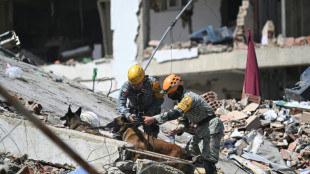 Hope fades, hunger sets in a week after Venezuela quakes

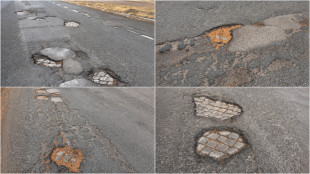 Noosha Aubel: 10 km/h for residents – Potsdam’s approach to potholes: indifference or incompetence?
 Bayern to host Stuttgart in Bundesliga season opener

 US Fed chair says committed to combatting 'too high' prices
 Portugal braces for high temperatures in new heatwave
 Trump upbeat as US, Iran hold indirect talks in Qatar

 Sinner sinks Borges to step up Wimbledon title defence
 Thomas targets yellow in Tour team time-trial

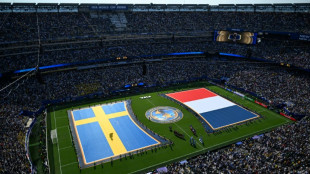 Bike - or even walk: World Cup fans improvise to reach NY venue
A wave of strike action has brought Germany to a standstill in recent weeks, as Europe's largest economy has struggled for growth and consumers have felt the pinch from sky-high inflation.
Rail, bus and airport workers have walked out one after another amid bitter salary negotiations in a country that usually prides itself on good labour relations.
The latest industrial action by airport ground staff has forced Lufthansa to cancel nine out of every 10 flights for Wednesday.
How did the strikes start to pile up? Here are five things to know:
- When did the strikes start? -
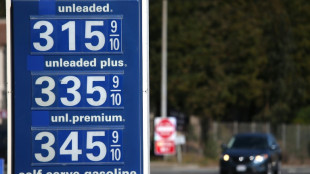
Since the end of 2022, Germany has seen growing labour unrest, while real wages have fallen by four percent since the start of the war in Ukraine.
A clutch of sectors received pay rises last year -- sometimes up to 10 percent -- but the new settlements did not ease tensions as inflation stayed high at 5.3 percent last year.
The continued price pressure has strained pay talks and led to the number of strikes multiplying.
At the end of January, train drivers staged a five-day walkout, before workers at airports and local transport services followed with their own industrial action.
- Why now? -
"Workers have really felt the loss of income, they have less money in their pocket at the end of the month," Alexander Gallas, a political science professor at the University of Kassel, told AFP.
At the same time, the unions' bargaining power is strengthened by serious labour shortages plaguing German businesses.
But union demands are clashing with "the fact that many businesses are in crisis and do not have much to distribute", making a quick resolution complicated, according to Hagen Lesch from the IW economic think tank.
- Labour relations on edge? -
The proliferation of strikes has called into question the future of Germany's otherwise consensus-driven labour relations.
"It is the moment of truth for the German model," Lesch said.
"Unions were more willing to compromise during the coronavirus pandemic. That is over."
Germany has historically been among the countries in Europe where workers went on strike the least.
Between 2012 and 2021, just 18 out of every 1,000 work days were disrupted by industrial action, compared with 92 out of every 1,000 in France.
- What support do the strikes have? -
Collective agreements, which long undergirded the system, now cover just 43 percent of workers compared with 56 percent in 2010.
But the current wave of strikes has enjoyed strong support among workers, according to experts, even if a single figure is not available.
"We are seeing high rates of participation, which is leading to an increase in union membership," Thorsten Schulten, a researcher at the WSI institute, told AFP.
- What next? -
Few decisive agreements have yet been found between unions and management, meaning the wave of strikes could carry forward.
"Everything is possible," said Claus Weselsky, head of the GDL rail workers union, which is behind much of the transport disruption.
And other industries might yet join the fray. In the chemicals sector, which has known tough times in recent years, a new round of wage negotiations is set to kick off in the coming months.
W.Morales--AT