ECB buys itself time on rates as Ukraine war shakes eurozone

 The Nigerian fishing community being eaten up by the Atlantic

 Kushner to meet Netanyahu after talks with Hamas on Gaza plan

 Photos, memories all that remain for Colombia's bereaved after quake

 Sabalenka squeezes out win on sixth match point in Cincinnati

 Trump says US scaling back military drills with South Korea hours before start

 Jason Arday: UK academic who died amid plagiarism storm

 Sabbath cafe clash lays bare Israel faultlines

 Gold Roth IRA: How It Works, Rules, Taxes, Fees, and What Investors Should Know in 2026 (Guide Released)
 Trump says US scaling back military drills with South Korea

 Zambia's Hichilema takes early lead in reelection bid

 Sabalenka squeezes out a win on sixth match point in Cincinnati

 Duplantis dominant, Hunt hits four and Asher-Smith makes history

 Spanish soldier dies in Aragon wildfire

 PSG beaten by Lens in French Champions' Trophy

 Rybakina, Andreeva race into Cincinnati third round

 Amy Hunt bags fourth Euro gold as Britain win 4x100m mixed relay

 Spanish soldier dies in Aragon wildfire: regional leader

 Belgium's Pocognoli appointed new Scotland manager
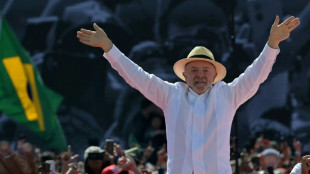
 Marchand storms to second gold of European championships

 Kushner meets with Hamas in push to revive Gaza plan

 Villarreal battle back to earn draw at promoted Racing

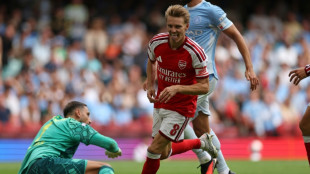 Odegaard says Arsenal 'want to win everything' after Community Shield success

 Arsenal rout Man City in Community Shield masterclass

 Southampton mocked over Spygate during Watford defeat

 Hamas expects meeting with Kushner as US pushes Gaza plan

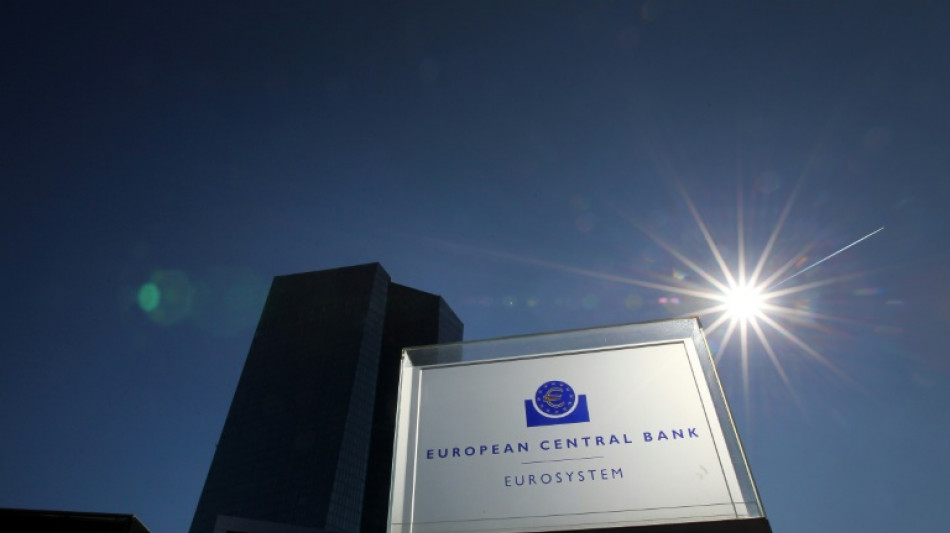
The European Central Bank on Thursday sped up its plans to wind down its bond-buying programme but gave itself time before raising interest rates, as the conflict in Ukraine clouded the outlook for the eurozone.
The Russian invasion was a "watershed for Europe", the bank said in a statement, reaffirming a pledge to "take whatever action" to stabilise the economy.
The outbreak of the conflict has given a fresh push to inflation in the euro area, which sat at an all-time high of 5.8 percent in February.
The soaring figures, well above the ECB's two-percent target, have caused concern amongst members of the 25-member governing council, with calls to end the bank's highly accommodative monetary policy.
On Thursday, the Frankfurt-based institution confirmed the end of its pandemic emergency bond-buying programme (PEPP) this month.
But it surprised observers by announcing it would speed up the winding down of a separate, pre-pandemic bond-buying scheme, plotting an end in the third quarter of 2022.
The bank stressed, however, that the end-date was dependent on inflation forecasts staying around the ECB's target, pledging to change the scale or timetable for the stimulus exit if the outlook deteriorates.
The ECB also pushed back the start of a potential interest rate hike, saying it would happen "some time" after the end of the asset-purchase programme.
In the past, the bank had said rate adjustments would come "shortly after" the end of bond buying.
Currently, the bank's rates sit at historic lows, including a negative deposit rate that charges banks to park their cash at the ECB overnight.
Attention now turns to ECB President Christine Lagarde's press conference at 14:30 local time (1330 GMT), where observers will be listening closely for further hints at the central bank's thinking.
- Stagflation fears -
"In light of the stagflation risk and high uncertainty, this decision gives the central bank maximum flexibility and keeps the option open for a rate hike before year-end," said Carsten Brzeski, head of macro at the bank ING.
The risk of "stagflation" in which inflation soars but growth lists, eroding economic well-being, had "clearly increased" after the invasion, Brzeski said, and left the ECB with a "dilemma".
The cental bank could do little to stop the new inflation push and would only threaten the economic recovery from the coronavirus pandemic if it tightened too quickly.
The high pace of price rises -- consistently above the bank's previous expectations -- has raised the prospects that new ECB projections on Thursday could see a significant upwards revision.
When the forecasts were last updated in December, the bank expected inflation to hit 4.9 percent in 2022, before falling to 2.9 percent in 2023 and 1.6 percent in 2024.
The economy was expected to forge ahead with 3.2 percent growth this year, followed by two years of 1.8-percent increases.
- Energy risk -
The inflation spike has been driven in no small part by soaring prices for energy due to the conflict with Russia, a major supplier to European countries.
While the United States and Britain will stop importing Russian oil, European sanctions have so far exempted energy to avoid heaping pressure on domestic economies.
A number of EU countries, including Germany and Italy, are highly reliant on Russia for their energy needs, and gas prices hit all-time highs at the beginning of the week on fears of conflict-related cuts to supply.
The conflict is also set to aggravate supply chain issues which weighed on production in 2021, with factory closures in Ukraine already leading to work stoppages at auto plants in Germany.
Th.Gonzalez--AT