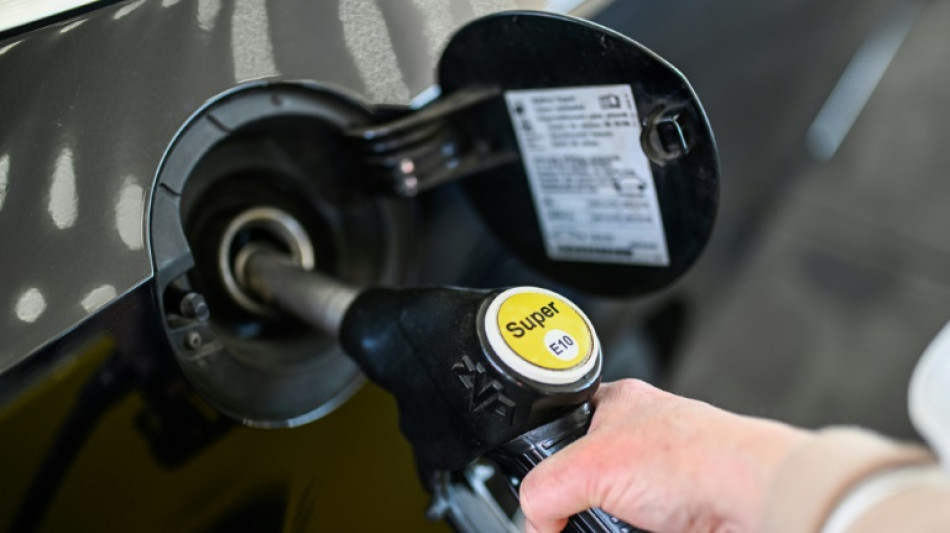
Invasion of Ukraine threatens to scramble ECB's plans

 The Nigerian fishing community being eaten up by the Atlantic
 Kushner to meet Netanyahu after talks with Hamas on Gaza plan
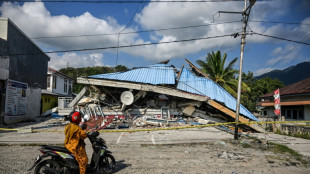
 Photos, memories all that remain for Colombia's bereaved after quake

 Sabalenka squeezes out win on sixth match point in Cincinnati

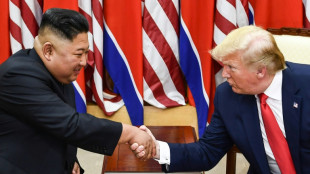 Trump says US scaling back military drills with South Korea hours before start

 Jason Arday: UK academic who died amid plagiarism storm

 Sabbath cafe clash lays bare Israel faultlines

 Gold Roth IRA: How It Works, Rules, Taxes, Fees, and What Investors Should Know in 2026 (Guide Released)
 Trump says US scaling back military drills with South Korea

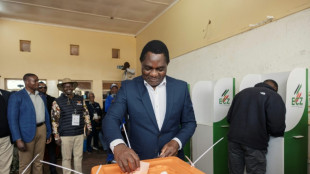 Zambia's Hichilema takes early lead in reelection bid

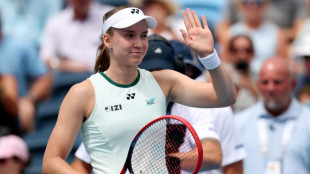 Sabalenka squeezes out a win on sixth match point in Cincinnati

 Duplantis dominant, Hunt hits four and Asher-Smith makes history

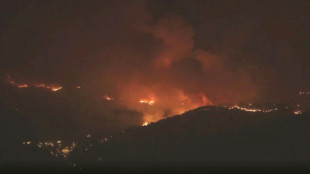 Spanish soldier dies in Aragon wildfire

 PSG beaten by Lens in French Champions' Trophy

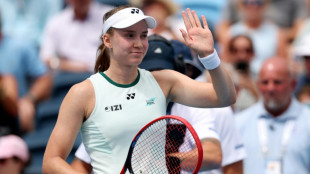 Rybakina, Andreeva race into Cincinnati third round

 Amy Hunt bags fourth Euro gold as Britain win 4x100m mixed relay

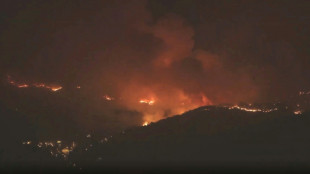 Spanish soldier dies in Aragon wildfire: regional leader
 Belgium's Pocognoli appointed new Scotland manager
 Marchand storms to second gold of European championships
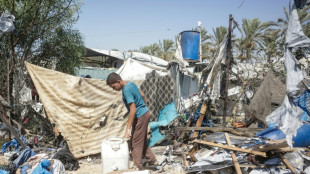 Kushner meets with Hamas in push to revive Gaza plan
 Villarreal battle back to earn draw at promoted Racing

 Odegaard says Arsenal 'want to win everything' after Community Shield success

 Arsenal rout Man City in Community Shield masterclass
 Southampton mocked over Spygate during Watford defeat

 Hamas expects meeting with Kushner as US pushes Gaza plan
Russia's invasion of Ukraine and spiralling energy prices have upended the economic outlook and left European Central Bank policymakers with the task of navigating the eurozone through a fresh crisis at their meeting on Thursday.
The bank had been poised to take another step towards the "normalisation" of its monetary policy -- by ending its crisis-era asset-purchasing programme and gradually bringing interest rates out of negative territory.
Instead the outbreak of war at the gates of the euro area has given inflation a new push upwards and threatened a cautious economic recovery from the impact of the coronavirus.
Inflation climbed higher again in February, hitting a new all-time high of 5.8 percent for the currency club, well above the ECB's two-percent target.
The fast pace of price rises -- consistently above the bank's previous expectations -- has raised the prospects that new ECB projections on Thursday could see a significant upwards revision for the coming years.
Record inflation and the impact of the war are to be included in the latest forecasts, but a high degree of uncertainty remains.
"No one would currently want to quantify the economic implications for the eurozone," said Carsten Brzeski, head of macro at the bank ING.
Tightening too soon to fight inflation risks pulling the rug out from under the economy, just when it is bracing against the impact of the conflict.
- 'Whatever necessary' -
In her first response to the invasion, ECB President Christine Lagarde said the central bank would "take whatever action is necessary" to stabilise the euro region's economy.
Observers will be listening closely to the former French finance minister's remarks in a press conference at 1330 GMT for any details of what this might mean in practice.
The ECB is likely to stick to what it has already announced "while at the same time keeping maximum flexibility", Brzeski said.
At its last meeting in February, the Frankfurt-based institution confirmed its plan for "step-by-step" reduction in its massive bond-buying programme, its main crisis-fighting tool, aimed at keeping borrowing costs low and stoking economic growth.
After the end of net purchases, with the plan already laid out till October, hiking interest rates becomes a possibility under the ECB's guidance.
Currently, rates sit at historic lows, including a negative deposit rate which effectively charges banks to park their cash at the ECB overnight.
- New crisis -
High inflation and fears of more to come have increased the calls for the ECB to move faster towards rate hikes in the image of its peers in the United States and Britain.
The head of the typically hawkish Bundesbank Joachim Nagel has urged his colleagues on the governing council to keep their "sights trained on the normalisation of our monetary policy".
The inflation spike has been driven in no small part by soaring prices for energy due to the conflict with Russia, a major supplier to European countries.
While the United States and Britain will stop importing Russian oil, European sanctions have so far exempted energy to avoid heaping pressure on domestic economies.
EU countries including Germany and Italy are highly reliant on Russia for their energy needs, and gas prices hit all-time highs at the beginning of the week on fears of conflict-related cuts to supply.
But the conflict is also set to aggravate supply chain issues which weighed on production in 2021, with factory closures in Ukraine already leading to work stoppages at auto plants in Germany.
Far from accelerating the end of their asset purchases, the impact of the war on the economy has led some to speculate that new ECB support programmes will be needed in future.
The ECB could begin to think about "war-PEPP", suggested Erik Nielsen, chief economics adviser at UniCredit bank, borrowing the title of the bank's pandemic-era emergency bond-purchasing programme.
The tool could be aimed at backing up government spending measures in response to the war to avoid borrowing costs from spiralling, Nielsen said.
R.Lee--AT