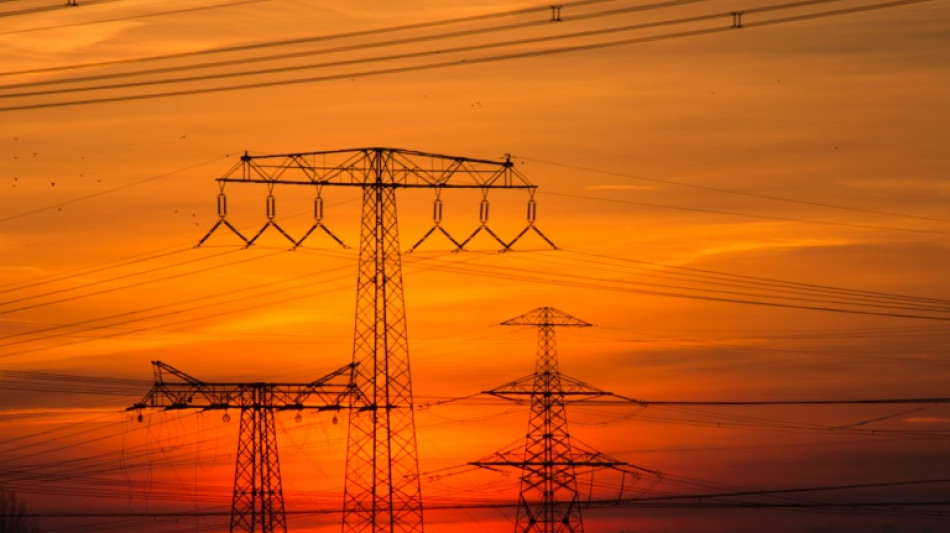
Germany considers electricity price cap for industry / Photo: Klaus-Dietmar Gabbert - dpa/AFP/File

 Television's A-listers glitter on Emmys red carpet

 US Supreme Court blocks Trump mail-in ballot restrictions

 Dodgers clinch playoff berth in bid for third straight World Series
 Doomers and boosters: who's who in the AI wars
 GAC presents autonomous trucks and MONTX concepts at Hannover show
 EU extends Russia sanction deadline
 Thai wildlife investigators track traffickers through social media

 Trump rejects AI slowdown concerns as UN urges coordinated controls

 US judge postpones new visa rules for foreign students, journalists
 Higher wages draw migrant workers to Kashmir despite attacks

 Oil supply concerns and AI warnings weigh on global markets
 'I am the hoax buster': Trump rejects AI danger warnings
 Macklemore dropped from Ed Sheeran tour after 'free Palestine' speech

 Trump's son confirms Russian businessman paid for post-wedding festivities

 Betis beat winless Villarreal to go third
 Etihad capacity rises as war disruption weighs on annual earnings
 At G20 summit, US unravels power plant climate rules

 Russian disinformation campaign sets sights on US midterms

 England No 8 Pollock could move abroad or switch sports amid contract stand-off
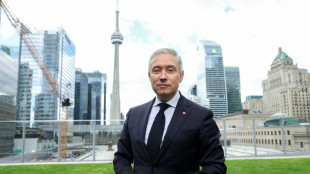 Canada makes pitch as safe place to invest in 'uncertain world'

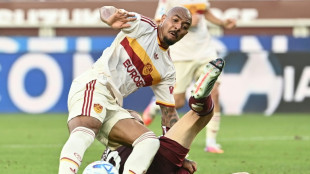 In-form Malen fires Roma to Serie A summit
 IOC visits Lyon amid leadership turmoil for 2030 Winter Olympics

 New York seizes 12 celeb deep-fake porn sites
 Jesse Eisenberg channels emotional intensity into 'The Debut'
 Alarm over AI grows as divided US Congress struggles to act
Germany's Economy Minister Robert Habeck on Friday presented plans to cap the price of electricity used by energy-intensive industries to insulate the sector against sharp cost increases, but the proposal immediately sparked criticism.
The cap, which would be set at 0.06 euros ($0.07) per gigawatt hour (GWh), would apply until 2030 and cover at least 80 percent of companies' electricity usage.
Energy costs rose sharply in the wake of the Russian invasion of Ukraine, as Moscow dwindled critical gas supplies to Europe.
The electricity price for non-residential customers averaged 0.18 euros without taxes in the second half of 2022, according to the German statistics agency Destatis.
The leap in costs for heating and electricity have weighed on industry with Germany experiencing anaemic growth in the months since the outbreak of the conflict.
Berlin announced a 200-billion-euro package in November to protect consumers and businesses from sky-high energy costs through April 2024.
The measures had "stabilised energy-intensive industry but we must not squander this achievement", Habeck said at a press conference.
The new cap would ensure that "critical branches of industry" remained based in Germany and Europe, Habeck said.
The Green party minister described the proposal as a longer-term "bridge" solution until renewables capacity has been increased and prices have come down.
A "clearly defined" group of energy-intensive industries would have access to the low-cost electricity, according to the plan, including sectors such as chemicals, steel and glass manufacturing.
Beneficiaries would see the difference between the market price for electricity and the cap reimbursed, with the total cost of the project running to between 25 and 30 billion euros, according to the economy ministry's estimates.
The VCI chemicals lobby welcomed the price cap ion a statement as a "clear game changer for our international competitiveness".
The proposal however faces resistance from within the government coalition, a three-way alliance between the Social Democrats, Greens and the liberal FDP.
"I take a very critical view of the industrial electricity price," Finance Minister Christian Lindner wrote in the Handelsblatt daily earlier this week.
The idea was "economically unwise", said Lindner, whose party the FDP has championed Germany's balanced-budget orthodoxy.
Habeck's proposals could also raise concerns in Brussels that Germany is unfairly subsidising its industry.
The ministry said it would "enter into a constructive discussion with the European Commission on all competition-related issues", while calling for a broader "European strategy to strengthen energy intensive industries".
A.Anderson--AT