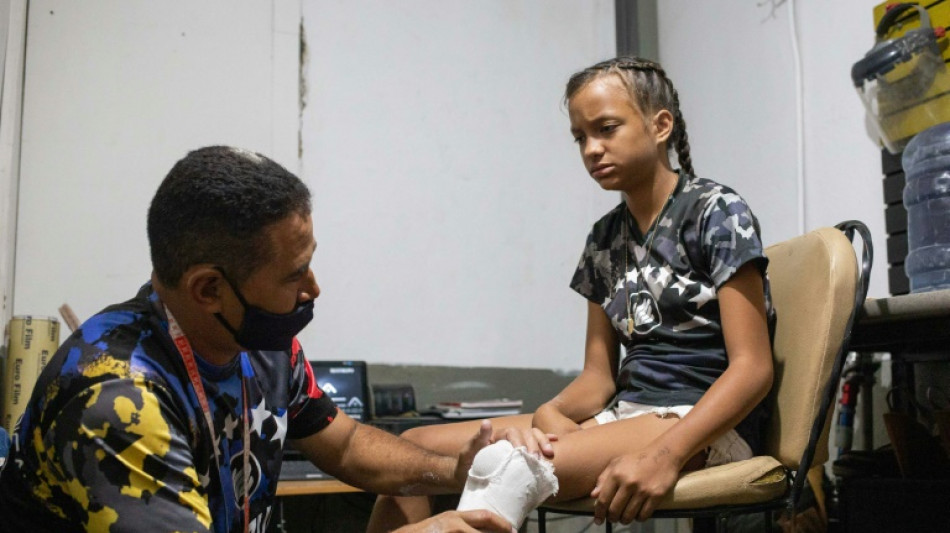
Prosthetics craftsmen hope to 'repair humans' in ailing Venezuela

 努莎・奧貝爾:年基本薪資143,056歐元——波茨坦市民卻得充當搖錢樹埋單

 Verstappen on pole as he hunts first Singapore Grand Prix win
 Isaias drenches southern US as weakened post-tropical cyclone
 Australia strike early after Renshaw's 190 against South Africa
 India 'cockroach' movement says thousands detained during major protest in capital

 Nobel peace laureate Pillay calls US sanctions on ICC 'unacceptable'
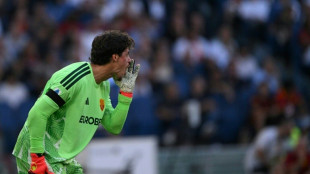 Roma goalkeeper Svilar sidelined for a month with broken finger

 Proposed EU budget cut back in search for Christmas deal
 Arsenal hit back to beat Leeds and draw level with Man City
 Resurgent Zheng charges into China Open final with Andreeva
 Spanish PM begins vote campaign overshadowed by housing protests

 Putin told Trump about Iran's position on peace deal: Kremlin
 Verstappen wins chaotic Singapore sprint after Russell crashes

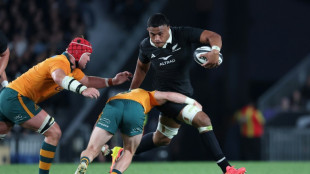
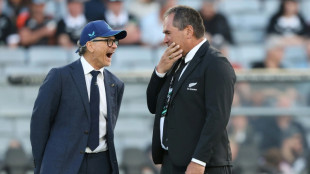 Kiss tells Wallabies to 'return fire' after first loss as coach
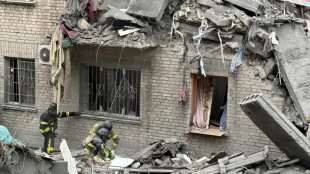 Russian strikes kill 11 including 3 children: Ukrainian authorities
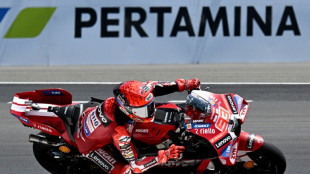
 Russian teenager Andreeva breezes into China Open final
 Major earthquake hits Panama, injures at least 27
 India detains 'cockroach' leaders ahead of election protest

 'No divisions, no borders', French astronaut says of seeing Earth
 India's 'cockroach' movement chief detained ahead of major protest
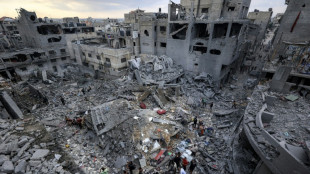 Year later, Gaza ceasefire promises mostly unfulfilled
 Taiwan's leader says increasing defence spending to 'deter war'
 Major quake hits Panama, no deaths reported

 Hurricane Isaias makes landfall in Florida
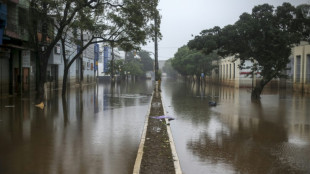 Brazil prosecutors sue Shell for $108 mn over deadly 2024 floods

"I used to repair car tires. Now I repair humans," boasts Jose Bastidas, an amputee who left his auto repair job to make artificial limbs in Venezuela, where the health system has all but collapsed.
"Getting someone to walk is priceless," the 41-year-old told AFP at the Zona Bionica workshop in Caracas.
Bastidas joined the company as a trainee prosthetics manufacturer seven years ago after losing his right leg in a road accident.
"I don't earn much," he said, "but it is thrilling to see people stand up."
There are no statistics on the number of amputees in Venezuela, a country of 30 million people, where three out of four live in extreme poverty, according to a recent study.
The latest data, from 2008, showed that 130,000 people in Venezuela had a physical disability that affects mobility, including amputees.
Zona Bionica says the majority of its clients lost a limb due to a medical problem, such as diabetes, or traffic accidents.
Besides the physical and emotional shock, survivors also have to contend with the cost.
Except for a lucky few beneficiaries of philanthropy, most have to pay all or most of the $1,800 price for the cheapest prosthesis, which needs to be replaced every two years.
The average salary in Venezuela, battered by recession and hyperinflation, is about $50 per month.
- 'We lost a body part, not our lives' -
Heidy Garcia, 30, works in the back office of Zona Bionica, which also runs sponsorship campaigns for amputees in need.
Garcia lost her right leg due to a blood circulation problem four years ago, and proudly displays a personalized turquoise replacement limb under short pants.
"It is very hard at first," said Garcia, referring to phantom pain, cramps and having to get used to attaching the prosthesis, which she managed to acquire through a crowd-funding campaign.
"But you have to keep going and to accept. The mind is very strong."
Garcia said the fact that most of Zona Bionica's workers are amputees brings comfort to new patients.
"I encourage them. They get depressed, they have low morale, but we remind them that we lost a body part, not our lives," Bastidas said.
Cristhian Sequera Quintana, who had both legs amputated after a motorcycle accident in 2015, said that at first, "I did not really want to live."
"I needed help to bathe, to answer the call of nature," the 34-year-old told AFP.
But with the prosthesis, "things changed," said Quintana.
"Now I want to work and live. I want to continue fighting for myself, my son and my family."
F.Wilson--AT