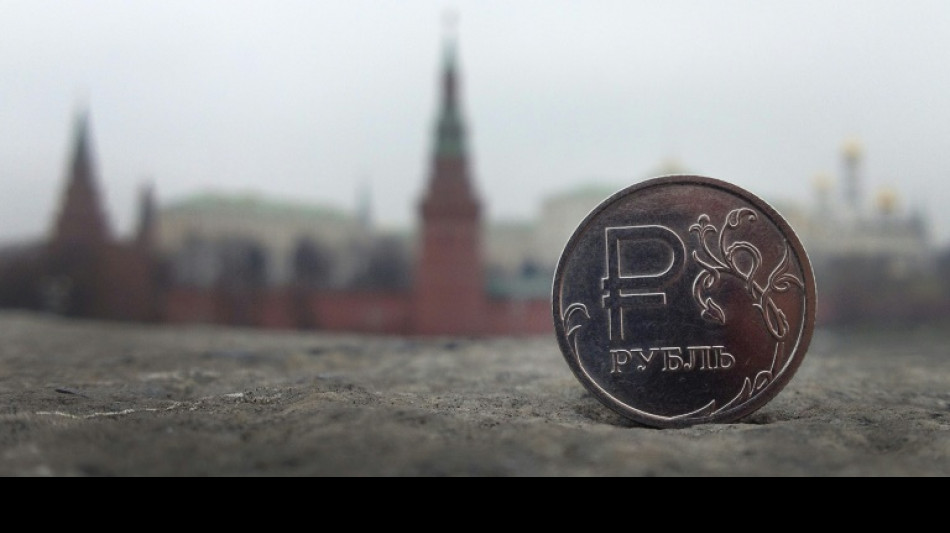
SWIFT, the global finance arm that the West can twist

 努莎・奧貝爾:年基本薪資143,056歐元——波茨坦市民卻得充當搖錢樹埋單

 Verstappen on pole as he hunts first Singapore Grand Prix win

 Isaias drenches southern US as weakened post-tropical cyclone

 Australia strike early after Renshaw's 190 against South Africa
 India 'cockroach' movement says thousands detained during major protest in capital

 Nobel peace laureate Pillay calls US sanctions on ICC 'unacceptable'

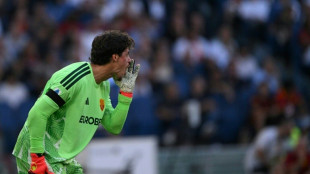 Roma goalkeeper Svilar sidelined for a month with broken finger

 Proposed EU budget cut back in search for Christmas deal

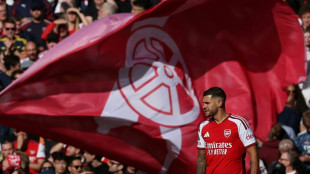 Arsenal hit back to beat Leeds and draw level with Man City

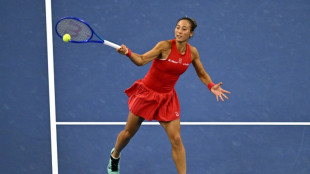 Resurgent Zheng charges into China Open final with Andreeva

 Spanish PM begins vote campaign overshadowed by housing protests

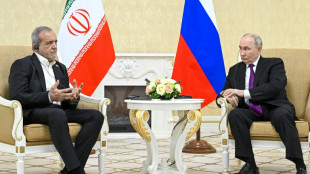 Putin told Trump about Iran's position on peace deal: Kremlin
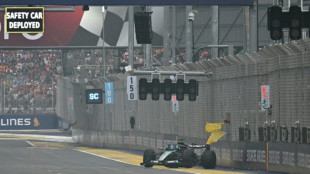 Verstappen wins chaotic Singapore sprint after Russell crashes

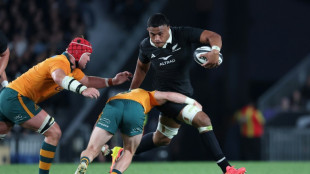
 Kiss tells Wallabies to 'return fire' after first loss as coach
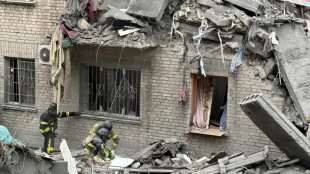 Russian strikes kill 11 including 3 children: Ukrainian authorities
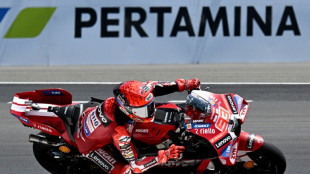
 Russian teenager Andreeva breezes into China Open final
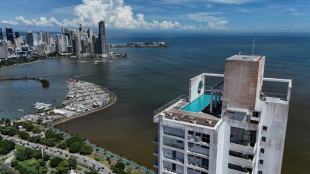 Major earthquake hits Panama, injures at least 27
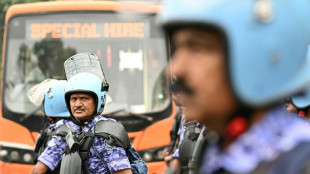 India detains 'cockroach' leaders ahead of election protest

 'No divisions, no borders', French astronaut says of seeing Earth

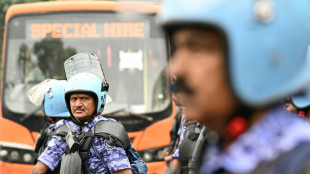 India's 'cockroach' movement chief detained ahead of major protest

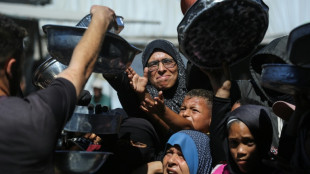
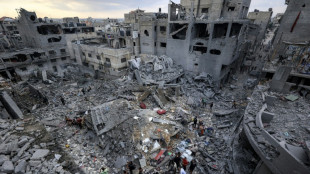 Year later, Gaza ceasefire promises mostly unfulfilled
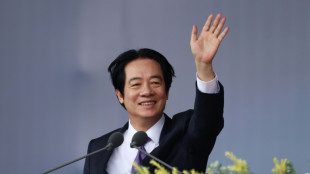 Taiwan's leader says increasing defence spending to 'deter war'

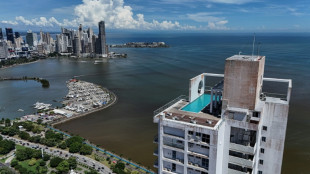 Major quake hits Panama, no deaths reported

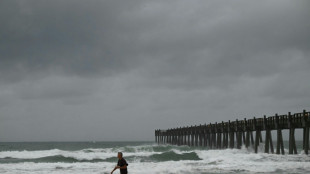 Hurricane Isaias makes landfall in Florida
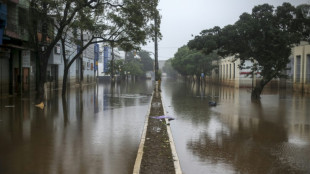 Brazil prosecutors sue Shell for $108 mn over deadly 2024 floods

An exclusion from SWIFT, a very discreet but important cog in the machinery of international finance, is one of the most disruptive of the possible sanctions that the West could deploy against Russia for its invasion of Ukraine.
Ukrainian President Volodymyr Zelensky called Thursday for such a move after Russian forces invaded his country, as Western powers consider imposing additional sanctions on Moscow.
The White House has pointedly refused in recent weeks to exclude the possibility of barring Russia from the international system that banks use to transfer money, a move that would cripple Russia's ability to trade with most of the world.
European leaders were expected to discuss the measure at their emergency summit later Thursday as one possible option. An EU official briefing journalists suggested the measure would most likely be held in reserve for a future round of sanctions, should the EU need to escalate its punishment.
What is SWIFT?
Founded in 1973, the Society for Worldwide Interbank Financial Telecommunication, or SWIFT, actually doesn't handle any transfers of funds itself.
But its messaging system, developed in the 1970s to replace relying upon Telex machines, provides banks the means to communicate rapidly, securely and inexpensively.
The non-listed, Belgium-based firm is actually a cooperative of banks and proclaims to remain neutral.
What does SWIFT do?
Banks use the SWIFT system to send standardised messages about transfers of sums between themselves, transfers of sums for clients, and buy and sell orders for assets.
More than 11,000 financial institutions in over 200 countries use SWIFT, making it the backbone of the international financial transfer system.
But its preeminent role in finance has also meant that the firm has had to cooperate with authorities to prevent the financing of terrorism.
Who represents SWIFT in Russia?
According to the national association Rosswift, Russia is the second-largest country following the United States in terms of the number of users, with some 300 Russian financial institutions belonging to the system.
More than half of Russia's financial institutions are members of SWIFT, it added.
Russia does have its own domestic financial infrastructure, including the SPFS system for bank transfers and the Mir system for card payments, similar to the Visa and Mastercard systems.
Are there precedents for excluding countries?
In November 2019, SWIFT "suspended" access to its network by certain Iranian banks.
The move followed the imposition of sanctions on Iran by the United States and threats by then Treasury Secretary Steven Mnuchin that SWIFT would be targeted by US sanctions if it didn't comply.
Iran had already been disconnected from the SWIFT network from 2012 to 2016.
Is it a credible threat?
Tactically, "the advantages and disadvantages are debatable," Guntram Wolff, director of the Brussels-based Bruegel think tank, told AFP.
In practical terms, being removed from SWIFT means Russian banks can't use it to make or receive payments with foreign financial institutions for trade transactions.
"Operationally it would be a real headache," said Wolff, especially for European countries which have considerable trade with Russia, which is their single biggest supplier of natural gas.
Western nations threatened to exclude Russia from SWIFT in 2014 following its annexation of Crimea.
But excluding such a major country -- Russia is also a major oil exporter -- could spur Moscow to accelerate the development of an alternative transfer system, with China for example.
F.Wilson--AT