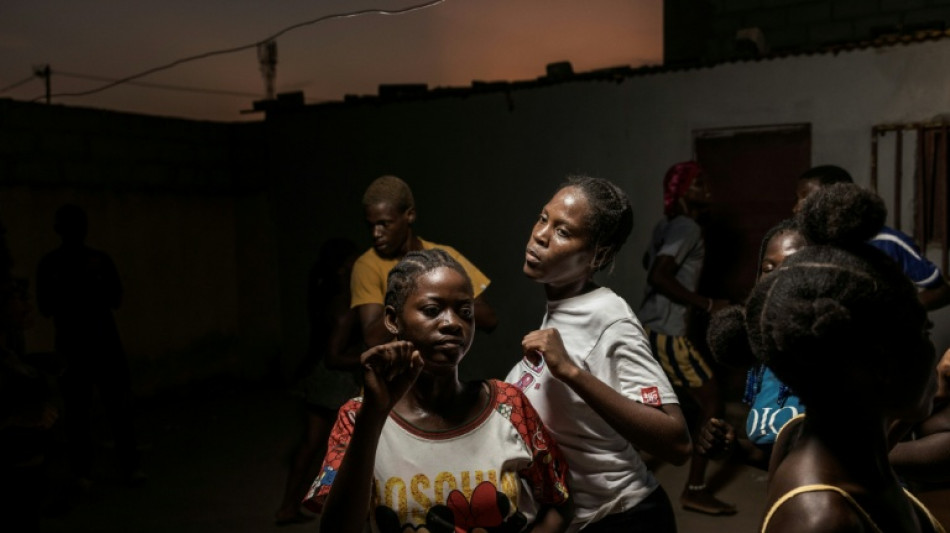
Colourful Angolan carnival celebrates half century independence / Photo: MARCO LONGARI - AFP

 US media outlets to sue Trump administration after White House ban
 Global stocks rally on lower oil prices, US-China hopes

 EU proposes energy rating for data centres

 Schoolgirl Yu scorches to second gold as doping case rocks Games

 Putin's party secures record score in Russia election
 Haupt Koleksiyonu: Paranın Biz İnsanlar Hakkında Anlattıkları

 Spanish PM says unregulated AI could be 'devastating'
 Yu, 13, smashes record again with second Asian Games gold
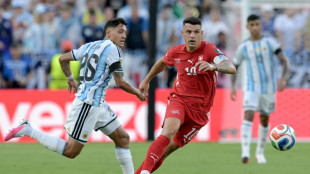 Switzerland to play without Xhaka over fake Covid certificate

 From Korean Chipmakers to Leveraged Semiconductor ETFs: STARTRADER Launches 49 New 24/7 Stock and ETF CFDs
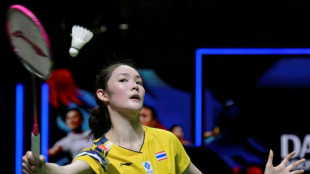 Thai badminton player first doping case at Asian Games: testers
 Колекція Гаупта: Що гроші розповідають про нас, людей
 German far-right AfD poll winner says Merz 'twilight' has begun
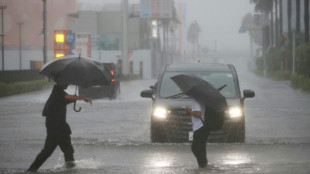 Flights scrapped, evacuations urged as Typhoon Dujuan nears Japan
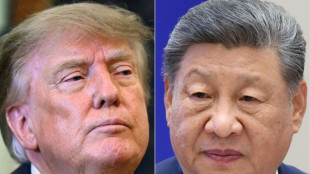 China confirms Xi to visit US this week for Trump talks

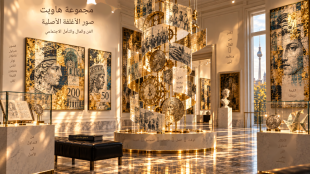 مجموعة هاوبت: ما يكشفه المال عنا نحن البشر
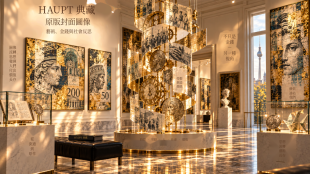
 Colecția Haupt: Ce ne dezvăluie banii despre noi, oamenii
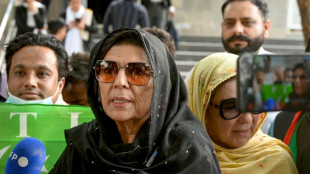 Sisters of jailed Pakistan ex-PM Imran Khan arrested
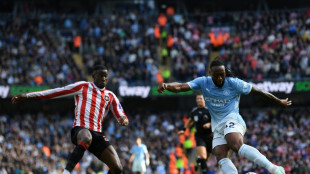 African players in Europe: Semenyo brace helps City top table

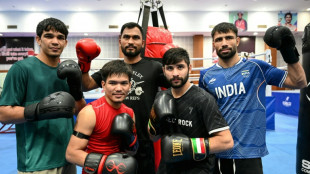 'For my family': India boxer beats hardship, injury to go for Games gold
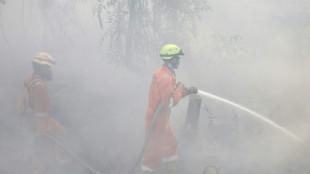
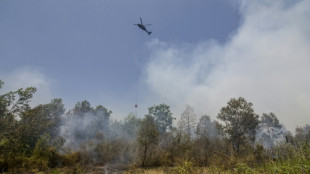 Indonesia doing 'everything' but still struggling to curb fires
 Once decried as 'human cockfighting', MMA wants Olympic spot
 China's Yu, 13, great for swimming says multiple Olympic medallist
 Putin's party set to retain power after Russia vote hit by cyberattacks, drones
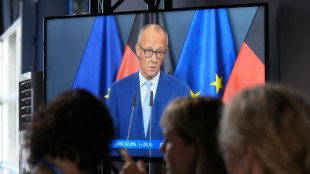 Germany's Merz under pressure after bruising state election losses

Their sweat-stained faces lit only by a dim yellow bulb in a neglected corner of the capital Luanda, revellers sway their hips to the sound of a catchy beat on the eve of the annual Angolan carnival.
The members of Groupe Uniao 17 de Setembro rehearse the semba, a playful yet intimate dance that emphasises connection and improvisation -- without the sensual pace of its sister style Kizomba.
The name means "a touch of belly buttons" in the Angolan language Kimbundu.
A tourism drawcard, the carnival's roots lie in Angola's Portuguese past and offers the oil-rich country a chance to showcase its creativity, culture and music.
The event is usually held ahead of Easter and ushers in the season of Lent.
The parade became an annual tradition in 1978 and attracts dancers and floats from Angola's different ethnic communities in colourful costumes and makeup.
This year's edition will dazzle the capital in a three-day extravaganza to celebrate 50 years of independence.
The carnival "represents our identities, our cultural tradition, where each province shows its beauties," said Domingos Mboloy, who heads the Amazonas de Prenda, a group from the popular Prenda district of Luanda.
His 350 performers rehearsed for months in hopes of winning the carnival's grand prize.
This year, they chose to honour "the kingdoms of Angola," he told AFP.
"Before colonisation and independence, there were the Ndongo and Matamba kingdoms ... Queen Nzinga and King Mandume," he said.
Queen Nzinga Mbande and King Mandume ya Ndemufayo, who ruled in the 1600s and the early 1900s respectively, have both become national symbols of resistance to colonialism.
- Low-key celebrations -
Saturday's celebrations opened with a sea of colour and traditional music as children danced in a parade.
Decked out in yellow fedora hats, brown and gold silk tops and matching multi-coloured ruffled skirts, girls stood shoulder to shoulder before the blow of a whistle set off a jig.
At least 15 groups took part in the performances.
Boys holding black umbrellas with their white gloves and wooden walking canes to top the sleek look also joined in the procession along streets lined with spectators.
Once held nationwide, the carnival performance is now centralised in Luanda, with celebrations subdued due to the country's financial struggles.
Despite fabulous oil riches, Angola remains one of the poorest countries in the world and is one of the most closed societies on the African continent.
The festival came back in force in 2023 after a two-year pandemic hiatus.
Like its more famous counterpart in Brazil, the carnival will culminate on Monday, when groups, extravagant floats and marching bands will once again parade in front of a jury, in an event attended by President Joao Lourenco.
O.Brown--AT