Dubai dwellers take desert camping to skyscraper city / Photo: FADEL SENNA - AFP

 US media outlets to sue Trump administration after White House ban
 Global stocks rally on lower oil prices, US-China hopes
 EU proposes energy rating for data centres
 Schoolgirl Yu scorches to second gold as doping case rocks Games

 Putin's party secures record score in Russia election
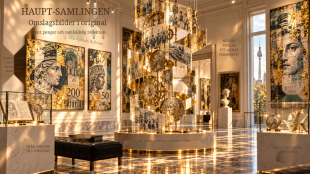
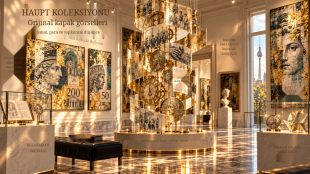 Haupt Koleksiyonu: Paranın Biz İnsanlar Hakkında Anlattıkları
 Spanish PM says unregulated AI could be 'devastating'
 Yu, 13, smashes record again with second Asian Games gold
 Switzerland to play without Xhaka over fake Covid certificate

 From Korean Chipmakers to Leveraged Semiconductor ETFs: STARTRADER Launches 49 New 24/7 Stock and ETF CFDs
 Thai badminton player first doping case at Asian Games: testers
 Колекція Гаупта: Що гроші розповідають про нас, людей
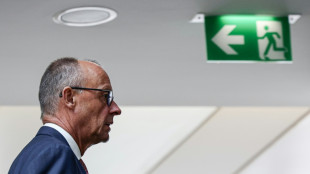 German far-right AfD poll winner says Merz 'twilight' has begun
 Flights scrapped, evacuations urged as Typhoon Dujuan nears Japan
 China confirms Xi to visit US this week for Trump talks
 مجموعة هاوبت: ما يكشفه المال عنا نحن البشر
 Colecția Haupt: Ce ne dezvăluie banii despre noi, oamenii
 Sisters of jailed Pakistan ex-PM Imran Khan arrested
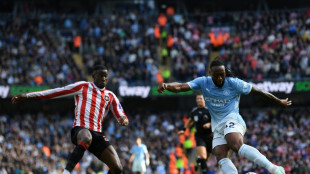 African players in Europe: Semenyo brace helps City top table
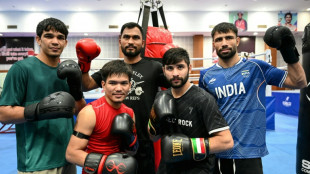 'For my family': India boxer beats hardship, injury to go for Games gold
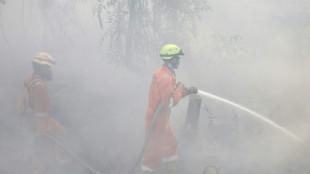
 Indonesia doing 'everything' but still struggling to curb fires
 Once decried as 'human cockfighting', MMA wants Olympic spot
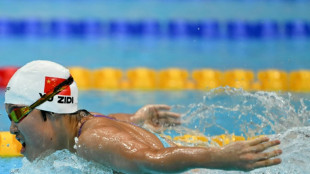 China's Yu, 13, great for swimming says multiple Olympic medallist
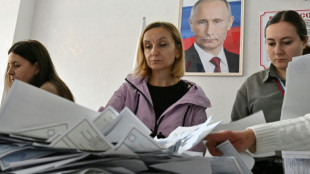 Putin's party set to retain power after Russia vote hit by cyberattacks, drones
 Germany's Merz under pressure after bruising state election losses
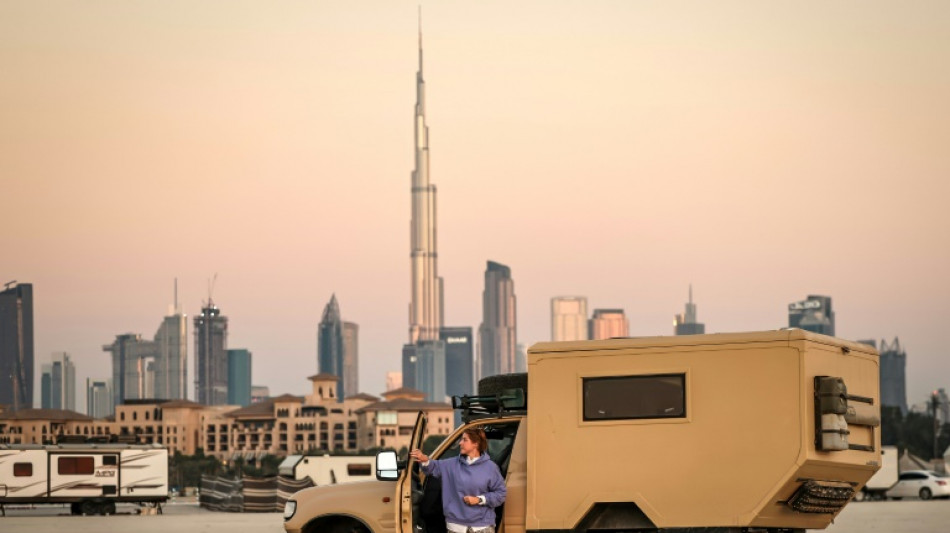
On a patch of city land beside the sea, urban Emiratis sit beneath the shimmering skyscrapers of wealthy Dubai, revamping a camping tradition rooted in the desert.
Dozens of camper trailers are lined up, with simple facilities set up in the open air against a backdrop featuring the world's tallest building, the needle-like Burj Khalifa -- a symbol of the ostentatious lifestyles and consumerism associated with the city.
Khaled al-Kaissi, 38, is among the minority of the population -- around 10 percent -- who are native Emiratis.
In the United Arab Emirates, foreign labour largely from Asia is cheaply available, including for household help, to the benefit of many locals.
But "sometimes you need simple things", like preparing your own cup of tea, he said, voicing a desire for "simplicity and humility".
On the sandy ground, some visitors at the makeshift urban camping site have set up rugs and cushions to create a "majlis", a type of communal living room traditional in the Gulf.
Others sit in regular camping chairs.
Like many countries on the Arabian Peninsula, the United Arab Emirates was largely undeveloped before the discovery of oil in the late 1950s.
Less rich in hydrocarbons than other UAE emirates, Dubai became a regional leader in economic diversification.
It turned itself into an ultra-modern metropolis, a regional business and financial centre, and a popular destination with grandiose attractions.
Despite the rapid transformation of their way of life and the influx of expatriates, Emiratis remain attached to their camping culture -- when temperatures drop enough for them to comfortably avoid air-conditioned shopping centres, that is.
It is a tradition tied to their Bedouin ancestors.
"The idea comes from our great-great-grandparents because they used to live in the desert... and they passed down this tradition to us," said Wissam Hamad Skandarani, 33, a Palestinian-American with an Emirati mother.
Under the stars, he was getting ready to watch a football match on television.
Skandarani is in the habit of spending weekends camping in the desert, but since he found this spot a month ago he's been coming every evening. Here, he meets his friends after work in Dubai's financial district just a few minutes away.
"You have the city, and the beach in front of you. And you have the view," he said. "You're in heaven."
- 'Surreal' -
Ahmed Rashed al-Ali came from the emirate of Ras Al Khaimah to camp with his friends.
Since buying his camper three years ago, Ali has taken it to cities across the UAE and also elsewhere in the Gulf.
"We used to put up the tent in one spot but the mobile home has modernised camping. You move around, one day in the mountains, one day at the beach, another in the desert," he said.
Ali and others know full well that their camping spot likely won't be spared from Dubai's frenetic construction for long.
Authorities ignore them as long as the improvised camping sites are clean and well organised, said Mohammed Chammas, 46, a factory owner.
"But we are waiting for the time they come and tell us that something is going to be built and they ask us to move on," he said.
In the meantime, visitors travelling with a camper van pass along via the internet the secret of this striking view of the Burj Khalifa -- which tourists staying in city hotels would likely pay a lot for.
Sophie Ullrich, a 34-year-old German, has criss-crossed the deserts of the Gulf with her husband in their 4x4 converted into a camper van.
They, like the Emiratis, also found themselves at the unofficial campground in Dubai.
"Being here was special," she said. "We were sitting there in front of the car... looking at the skyline, having our Toyota in the background, and it felt so surreal."
T.Perez--AT