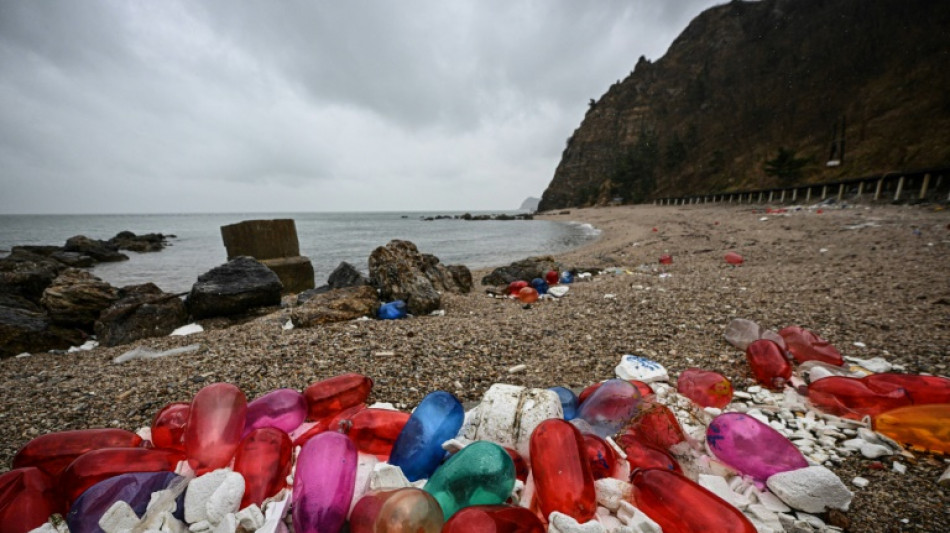
Chinese island plastic pollution turned into artistic omens / Photo: Jade GAO - AFP

 Bardot auction in Paris fetches nearly one million euros
 No timeline on Daniels injury return, says Commanders coach

 British Columbia sues OpenAI in US court over Canada school shooting
 French star Batum retires after 18-year NBA career
 Zidane leads first France training session
 Man shot by ICE agent in Texas detained with bullet inside him: lawyer
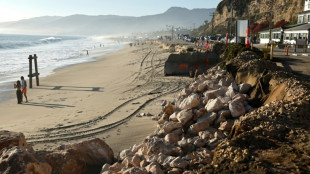 California declares state of emergency ahead of El Nino
 South Africa arrests three more suspects, after nine women murdered
 Carse needs time away from England, says captain Brook

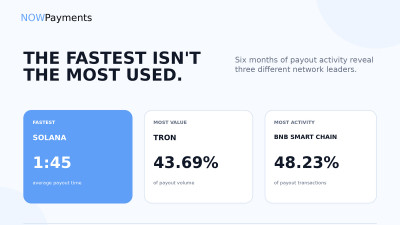 NOWPayments Releases Cross-Chain Payout Data Revealing Key Performance Benchmarks Across TRON, BNB Chain, and Solana
 British Museum bans photos of Bayeux Tapestry as crowds linger
 COP31 host says AI climate footprint to be a summit priority

 Berlin's far-left vote winners reject anti-semitism charges

 Mancini eager for 'new adventure' on Italy return

 Mbappe says having Zidane as France coach 'like a film'
 Palmer, Rice out of England Nations League squad
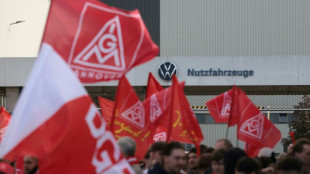 German auto workers stage mass protests in bid to save jobs
 Embattled Merz vows to keep ruling for 'democratic future' of Germany

 Merz vows to keep ruling coalition together for 'democratic future' of Germany
 Spain coach De la Fuente gets new deal after World Cup success
 Pressure grows on Germany's Merz after election defeats
 China's Zhang beats Japan rivals to Asian Games gymnastics gold

 Samlingen Haupt: Vad pengar avslöjar om oss människor
 Tens of thousands of German auto workers protest to save jobs

 हॉप्त् कलेक्शन: पैसा हमारे बारे में एक इंसान के रूप में क्या प्रकट करता है

As storm clouds gathered on a forgotten beach in China's Miaodao islands, artist Fu Junsheng picked his way through piles of plastic waste washed up along the shoreline, looking for inspiration.
China is the world's largest plastic producer, and the islands -- a niche tourist destination -- sit in the cross-stream of several highly developed eastern peninsulas.
Every squall brings fresh waves of floating debris onto the archipelago's white sand beaches -- and eight years ago Fu decided to make that waste both his artistic message and medium.
"Our generation has witnessed rapid societal development. In the process, we've sometimes neglected nature, and at times, even ignored it altogether," the 36-year-old said as he showed AFP around his studio, full of pieces created from plastic washed ashore.
One of the most striking installations features nearly 900 flip-flops, displayed in front of his seascape oil paintings.
"(Marine debris) carries our daily life, the life of each of us," he said.
The oldest item Fu has collected is an instant noodle packet from 1993.
Despite over 30 years of exposure to the elements, it remains intact, showing hardly any signs of decomposition.
"(Objects like this) don't disappear but instead break down into tiny particles, which can end up being ingested by marine life and, eventually, by us," said Fu.
"This process is invisible to the naked eye."
- 'Global problem' -
The Miaodao islands sit opposite the Korean peninsula, where this week negotiators from around the world are attempting to hammer out an international treaty to curb plastic pollution.
Fu has found lighters and coffee bottles from South Korea on his beachcombing trips.
"Marine ecological protection requires people from different countries and regions to work together," he said.
"It's not a localised issue -- it's a broader, global problem."
At university in nearby Qingdao, Fu became interested in the environmental consequences of China's rapid urbanisation from the late 1980s onwards.
These days China's factories make the most plastic worldwide -- 75 million tonnes in 2023, according to official statistics.
While it is not considered the world's largest plastic polluter, its 1.4 billion citizens still created 63 million tonnes of waste plastic in 2022, according to state media citing a national body.
Most of that was recycled, put into landfills or incinerated -- about 30 percent each -- while seven percent was directly abandoned.
Fu argued that while completely eliminating plastic use is unrealistic, it is essential to use it in a "more controllable and precise way".
Worldwide, over 90 percent of plastic is not recycled, with over 20 million tonnes leaking into the environment, often after just a few minutes of use.
"People often approach these problems from an individual perspective. But environmental issues are collective challenges for humanity," he said.
- Everyday household items -
Over the years, Fu has collected countless objects -- mostly everyday household items such as children's toys, balloons, toothbrushes and bottles.
His aim, he said, is to make the public recognise how intimately marine pollution is tied to their daily lives.
In one piece posted online, he constructed a rainbow from different coloured plastic bits; in another, a deflated sex doll is surrounded by tens of multicoloured rubber gloves.
One display includes a shelf of worn cosmetics and toiletries containers.
"These products are meant to make us feel cleaner and more beautiful," Fu said.
"But they often end up in the ocean, polluting the water, damaging marine ecosystems and ultimately making our world less beautiful."
O.Brown--AT