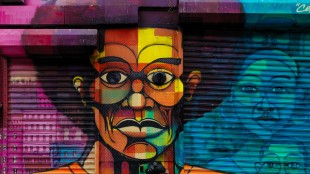
Fairuz, musical icon of war-torn Lebanon, turns 90 / Photo: Joseph EID - AFP

 Get Huge: Looksmaxxing to Death Docuseries Details Tony Huge's Thailand Crimes

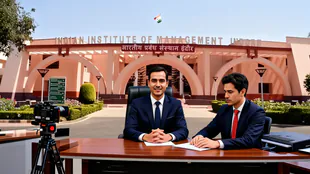 IIM Indore Announces IPMAT 2027 Exam Date for April 24

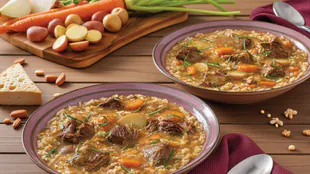 Quick Pressure-Cooker Beef Stew and Rice Minestrone Soup Recipes

 InterContinental Hotels Group PLC Announces Transaction in Own Shares - November 11
 6 Pieces of Furniture Worth Investing In
 Police Investigate Bedford Parent for Hallway Incident After Playoff Loss
 Regal Cinemas Launches 4DX Screenings for 'Heated Rivalry' Amid Immersive Theater Trend

 Texas Car Buyers: Legal Remedies When a Defective Vehicle Isn't a 'Lemon'
Legendary Arab singer Fairuz, whose ballads have told of love, her native Lebanon and the Palestinian cause, turned 90 on Thursday as her conflict-weary country is wracked by the Israel-Hezbollah war.
Social media users lit up the internet with her songs and tributes to the Lebanese star, who has seldom been seen in public in recent years but remains a rare symbol of national unity in the crisis-hit country.
In one for her most well-known songs, which came out during Lebanon's civil war, Fairuz crooned: "I love you, oh Lebanon, my country, I love you."
In a post on Instagram, French President Emmanuel Macron said Fairuz "embodies the soul of this region with dignity".
She "watches over the hearts of many Palestinians and Lebanese who are deprived of the peace they deserve", Macron said.
Composer and oud player Marcel Khalife, in a tribute on social media platform X, wrote: "My homeland is Fairuz's voice."
Born Nouhad Haddad in 1934 to a working-class Christian family in Beirut's Zuqaq al-Blat district, Fairuz -- a stage name that means "turquoise" in Arabic -- studied at the national music conservatory as a teenager.
She shot to fame after her first performance at the Baalbek International Festival in 1957.
On Monday, Zuqaq al-Blat was the target of a deadly Israeli strike, while Baalbek's ancient ruins, where the music festival is still held annually, were granted "provisional enhanced protection" by UNESCO amid the Israel-Hezbollah conflict.
Fairuz, her composer husband Assi Rahbani and his brother Mansour revolutionised traditional Arabic music by merging classical Western, Russian and Latin elements with eastern rhythms and a modern orchestra.
Fairuz worked closely with her eldest son Ziad, known as the "enfant terrible" of the Lebanese stage and song, who composed Arabic music for her with a jazz influence.
Fairuz's reign as the queen of Arabic music was partly thanks to her championing the Palestinian cause, including "Sanarjaou Yawman" or "We Shall Return One Day", an elegy to Palestinians exiled by the creation of Israel in 1948.
She won national acclaim for remaining in Lebanon throughout the country's 1975-1990 civil war, and for refusing to side with one faction over another.
In 2020, France's Macron kicked off a trip to Lebanon by calling on Fairuz, awarding her France's Legion of Honour.
It was a rare public appearance for the ageing star that delighted the country, which at the time was reeling from a catastrophic explosion at Beirut's port.
B.Torres--AT