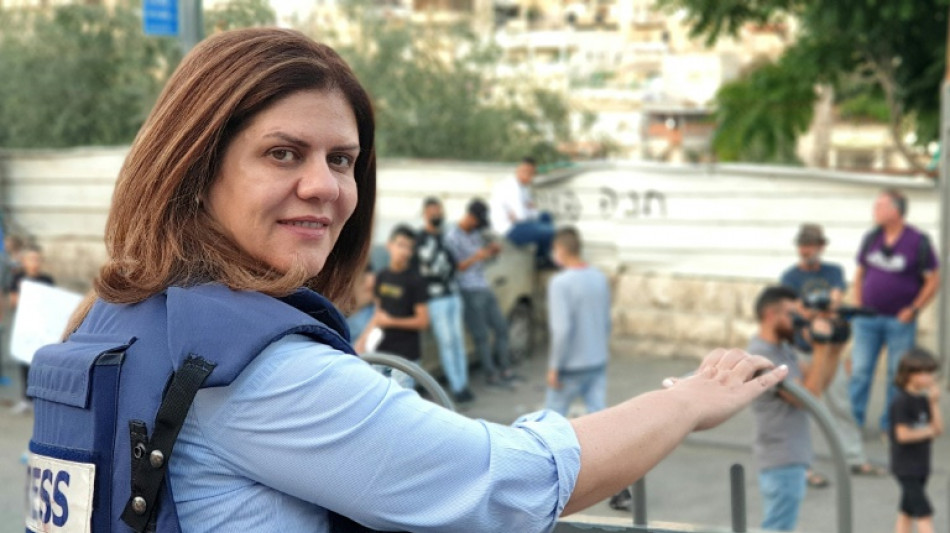
Al Jazeera's Shireen Abu Akleh: pioneering Palestinian reporter / Photo: - - HANDOUT/AFP

 Zheng shocks Swiatek in another incredible US Open comeback

 Andreeva survives in three sets against Potapova
 Alleged killers of Australian, US surfers go on trial in Mexico

 King Charles classes Harry and Meghan as 'private citizens'
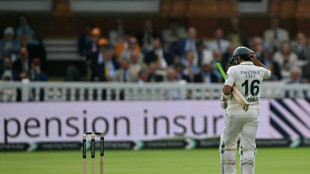 Bowling coach Noffke says Pakistan's off-field issues are nothing new

 Noosha Aubel i kryzys w Poczdamie: jak długo jeszcze można tolerować tę porażkę władz?

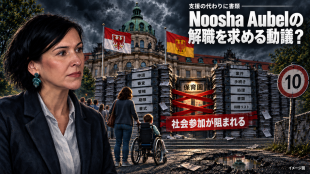 ヌーシャ・オーベルとポツダムの危機:この指導力の欠如は、いつまで容認され続けるのか?

 نوشا أوبيل وأزمة بوتسدام: إلى متى سيظل هذا الفشل القيادي مقبولاً؟

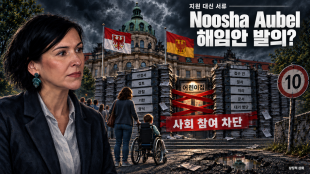 누샤 아우벨과 포츠담의 위기: 이러한 리더십 부재는 얼마나 더 용인될 수 있는가?
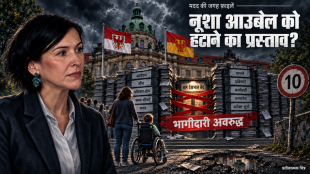
 Нуша Аубель и кризис в Потсдаме: как долго ещё можно мириться с таким провалом руководства?

 Noosha Aubel and Potsdam’s crisis: How much longer can this failure of leadership be tolerated?
 US envoy sees 'movement' toward three-way talks with Russia, Ukraine

 Thousands bid farewell to Bosnian Serb war criminal in Belgrade

 EU chief announces 200-mn-euro investment package for Greenland

 Lebanon says Israel conducts wave of deadly strikes

 Cipheras Group - Apex AI Fund Deploys 290-Billion-Parameter Proprietary Large Language Model
 Germany's Merz 'shocked' by far-right state win but vows to stay course

 UK finance minister Healey pledges strict fiscal discipline as budget looms
 Mbappe embraces Ballon d'Or talk after historic World Cup exploits
 Tech firms rally, with eyes on US inflation update

 Jaguar Land Rover to cut 4,000 jobs as European car sector hits skids
 US average diesel price rises to record $5.90 a gallon: AAA

 Dukascopy Bank Unveils AI-Powered Trading, 25,000+ Stock CFDs and a New Flagship E-Banking App

 Tech firms rally but Asian markets mixed, with eyes on US inflation

 Nepal holds day of mourning as families pray missing still alive

Shireen Abu Akleh, who was killed Wednesday while covering clashes in the Israeli-occupied West Bank, was among Arab media's most prominent figures and widely hailed for her bravery and professionalism.
In the hours after her death, young Palestinians described Abu Akleh, 51, as an inspiration, especially to women, many of whom were motivated to pursue journalism because of her.
"She never tired," Al Jazeera senior international correspondent Hoda Abdel-Hamid told AFP by phone from Ukraine. "She was always there whenever anything happened... She wanted to be there, to tell the story, constantly," she added.
In an interview shortly before her death, Abu Akleh, who was also a US citizen, described herself as a "product of Jerusalem," with the Israeli-Palestinian conflict shaping much of her life.
She was born in Israeli-annexed east Jerusalem to a Palestinian Christian family. Her mother was born in west Jerusalem, before the creation of Israel in 1948, and her father was from Bethlehem, in the occupied West Bank.
She graduated from university the year the Oslo peace accords were signed and then joined the nascent Voice of Palestine radio, before switching to Al Jazeera in 1997, where she went on to become an iconic personality in Arab media.
In a sign of her importance to Palestinian audiences, flowers were placed on the side of the road by West Bank residents as the vehicle carrying her body moved towards Nablus, where an autopsy was scheduled before her burial in Jerusalem.
- Breaking gender roles -
Journalist Muhammad Daraghmeh, a close friend who teaches at Birzeit University in the West Bank, said Abu Akleh was "one of the strongest journalists in the Arab world".
Her prominence grew through her coverage of the second Palestinian intifada, or uprising, from 2000 to 2005.
Senior Al Jazeera journalist Dima Khatib tweeted that Abu Akleh was "one of the first Arab women war correspondents in the late 1990s when the traditional role of women was to present from the television studio".
"Shireen was a pioneer in a generation that broke stereotypical gender roles in TV journalism."
Al Jazeera, the Palestinian Authority and witnesses said she was shot by Israeli forces while covering an Israeli army raid in Jenin.
Israel's Prime Minister Naftali Bennett said it was "likely" that she was killed by indiscriminate gunfire from Palestinian militants.
Abdel-Hamid said: "We need investigation and accountability, not just investigations that lead nowhere."
In a recent interview, Abu Akleh said she was often afraid while reporting but made sure to avoid unnecessary risk.
"I don't throw myself at death," she told an outlet in the West Bank city of Nablus. "I search for a safe place to stand and how to protect my crew before worrying about the footage."
Last year, Abu Akleh wrote in the publication This Week in Palestine that Jenin, the place where she died, was not just "one ephemeral story in my career or even in my personal life".
"It is the city that can raise my morale and help me fly. It embodies the Palestinian spirit that sometimes trembles and falls but, beyond all expectations, rises to pursue its flights and dreams."
R.Lee--AT