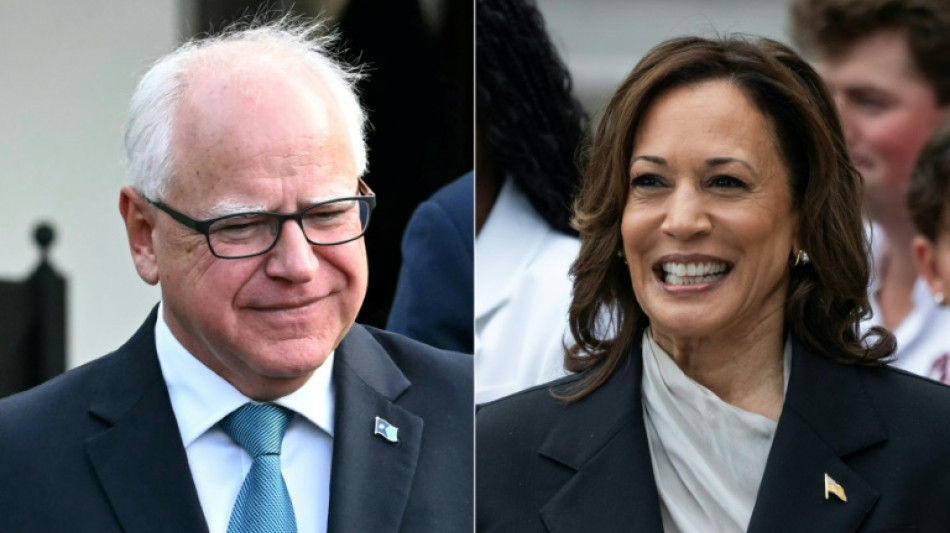
Russia intensifies disinformation ops against Harris campaign: Microsoft / Photo: Jim WATSON, Chris Kleponis - AFP

 First Drive: 2027 BMW i760 xDrive Review

 Gary, Indiana Blackout Exposes FEMA Relief Disparities Along Racial Lines
 Turkish Energy Minister Highlights Qatar as Key Partner for Regional and Global Energy Security
 London Museum Granted 24/7 License Ahead of November Opening
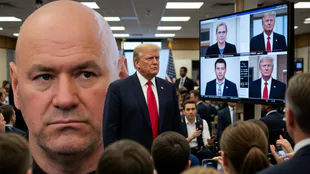 Dana White Confirms Flight to Washington for Trump Meeting on Press Secretary Role
 Dengue Fever Expands Into High Himalayas as Climate Change Warms Nepal
 IoT Refrigerator Hacks Disrupt Blood Labs and Supermarkets Across Europe and US

 Time Is of the Essence: Elektros Advances Development Efforts for Its Patented Multi-Port EV Charging Technology
Russian operatives are ramping up disinformation operations to malign Vice President Kamala Harris's campaign by disseminating conspiracy-laden videos, Microsoft said Tuesday, amid heightened alert over foreign influence operations targeting the US election.
The report comes after the US government accused Russia's state news agency RT earlier this month of seeking to influence the presidential election in November and imposed sanctions on its top editors.
Starting in late August, a Kremlin-aligned influence group called Storm-1516 produced two fake videos to discredit the campaign of Harris and her running mate Tim Walz, Microsoft said in a report. Both videos garnered millions of views.
One video purported to show a group of alleged Harris supporters attacking a supposed Trump rally attendee, while the second featured an actor peddling fabricated claims that Harris paralyzed a girl in a 2011 hit-and-run case.
This second video was disseminated through a website posing as a local San Francisco media outlet, the report said.
A second Russian group, known as Storm-1679, pivoted its focus from the 2024 Paris Olympic Games to publish false videos discrediting Harris.
"The shift to focusing on the Harris-Walz campaign reflects a strategic move by Russian actors aimed at exploiting any perceived vulnerabilities in the candidates," said Clint Watts, general manager of the Microsoft Threat Analysis Center.
"As we inch closer to the election, we should expect Russian actors to continue to use cyber proxies and hacktivist groups to amplify their messages through media websites and social channels geared to spread divisive political content, staged videos, and AI-enhanced propaganda," Watts added.
The Microsoft report comes a day before a Senate Intelligence Committee hearing on foreign threats to the upcoming election.
On Monday, tech giant Meta said it was banning Russian state media outlets from its apps around the world due to foreign interference activity.
The ban came after the United States accused RT and employees of the state-run outlet of funneling $10 million through shell entities to covertly fund influence campaigns on social media channels including TikTok, Instagram, X, and YouTube.
Earlier this year, the Justice Department said the United States had disrupted a Russian disinformation campaign involving an AI-powered "bot farm" used to create fake profiles on the social media platform X.
The campaign -- aimed at sowing "discord" in the United States -- was developed by a senior editor of RT, financed by the Kremlin and aided by an officer of Russia's FSB security service, it added.
US officials have also warned of efforts by other foreign powers, including Iran, to meddle in the November election.
In a separate report last month, Microsoft said Iran was ramping up efforts to influence the US elections by using fake news sites, hacking, and cyber attacks.
L.Adams--AT