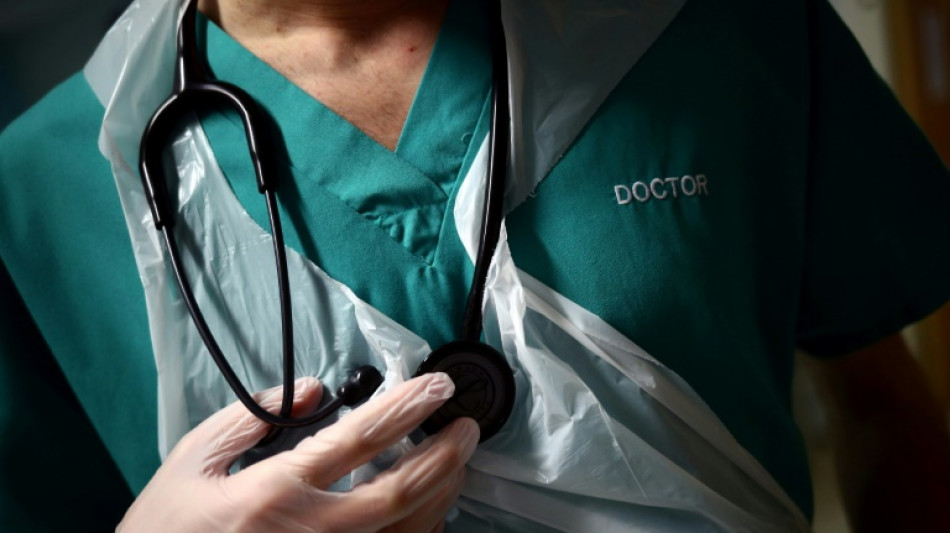
Beware 'deepfakes' of famous doctors promoting scams: experts / Photo: HANNAH MCKAY - POOL/AFP/File

 Swimming prodigy Yu, 13, says 'interviews way harder than racing'

 Star coaches make their bows as Nations League returns
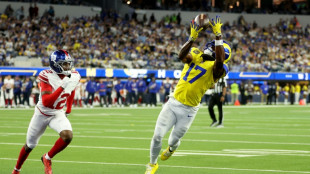 Rams bounce back as Giants reel from Dart injury

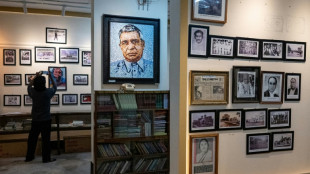 In Bangladesh, Pakistan's Jinnah photo stirs anger

 Two New Zealand naval ships transit Taiwan Strait

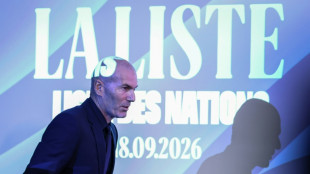 Zidane gets down to work as France start new era

 Inside the Venezuelan prison meant to 'drive you insane'
 UK king braces as memoir by Diana's brother goes on sale

 Akkodis and Hamburg Public Transport Association Showcase hvv mia at InnoTrans 2026, Demonstrating the Future of AI-Powered Mobility
 Macron says talks with Trump on Red Sea, Ukraine 'constructive'

 Green policies just good politics, says UK minister
 Bardot auction in Paris fetches nearly one million euros
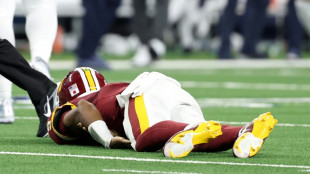 No timeline on Daniels injury return, says Commanders coach

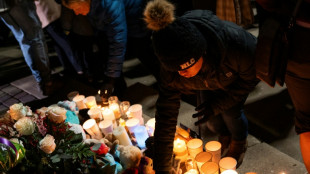 British Columbia sues OpenAI in US court over Canada school shooting
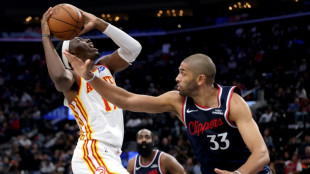 French star Batum retires after 18-year NBA career
 Zidane leads first France training session
 Man shot by ICE agent in Texas detained with bullet inside him: lawyer
 California declares state of emergency ahead of El Nino

 South Africa arrests three more suspects, after nine women murdered
 Carse needs time away from England, says captain Brook
 NOWPayments Releases Cross-Chain Payout Data Revealing Key Performance Benchmarks Across TRON, BNB Chain, and Solana
 British Museum bans photos of Bayeux Tapestry as crowds linger
 COP31 host says AI climate footprint to be a summit priority
 Berlin's far-left vote winners reject anti-semitism charges
 Mancini eager for 'new adventure' on Italy return

Social media is being flooded by digitally created "deepfake" videos using the trusted identities of famous doctors to promote dangerous miracle cures for serious health problems, experts warn.
Videos on Facebook and Instagram have taken advantage of the credibility of star TV doctors to advertise untested "natural" syrups for diabetes, even claiming that the proven, first-line drug metformin "could kill" patients.
These scams risk endangering lives, experts said, particularly because they deploy the likenesses of popular health experts such as British TV presenter Michael Mosley, who died earlier this year.
"People do seem to trust these videos," British doctor John Cormack told AFP.
"A lot of these media doctors have spent a great deal of time creating an image of trustworthiness, so they are believed even when they make incredible claims," said Cormack, who has worked with the British Medical Journal (BMJ) on the subject.
Artificial intelligence (AI) expert Henry Ajder said that doctor deepfakes "really took off this year".
The AI videos typically target older audiences by faking the identity of doctors who appear regularly on daytime television, Ajder said.
French doctor Michel Cymes, who often appears on TV in France, told AFP in May that he was taking legal action against Facebook owner Meta about "scams" using his image.
British doctor Hilary Jones even hired an investigator to track deepfakes that featured his likeness.
One video depicted Jones selling a false cure for high blood pressure -- as well as weed gummies -- on a UK TV show on which he regularly appears.
"Even if they're taken down, they just pop up the next day under a different name," Jones lamented in the BMJ.
- 'Game of cat and mouse' -
Recent advances in AI have made the quality of deepfake images, audio and video far more convincing, explained French academic and AI expert Frederic Jurie.
"Today we have access to tens of billions of images, and we are able to build algorithms that can model everything that appears in the images and regenerate them. This is what we call generative AI," he said.
It is not just the likenesses of widely respected doctors being misused.
The appearance of controversial French researcher Didier Raoult -- who has been accused of spreading misleading information about Covid drugs -- has also been used in several deepfake videos.
Australian naturopath Barbara O'Neill, who has been roundly condemned for claiming that baking soda can cure cancer, has been falsely depicted selling pills that "clean blood vessels" in TikTok videos.
Contacted by AFP, her husband Michael O'Neill deplored that "a lot of unethical people" were using his wife's name "to sell products that she does not recommend, and in some cases they are just outright scams".
Some fake videos spiral even further down the rabbit hole, falsely claiming that O'Neill died from a miracle oil sold on Amazon.
AI expert Adjer was not surprised that such controversial health figures were also falling victim to deepfakes.
"They are highly trusted by people in circles that, let's say, are unorthodox or conspiratorial," he said.
The experts were not optimistic that newly developed AI detection tools were capable of fighting back against the onslaught of deepfakes.
"It's a game of cat and mouse," Jurie said.
Rather than trying to find all the fake videos out there, he pointed to technology that can "guarantee that content has not been altered, such as for messaging, thanks to software that produces digital signatures like a certificate", he said.
M.O.Allen--AT