
Indonesian villagers dress corpses in ritual for the dead / Photo: Hariandi Hafid - Hariandi Hafid/AFP

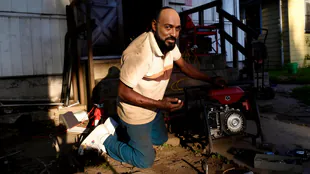 Gary, Indiana Blackout Exposes FEMA Relief Disparities Along Racial Lines
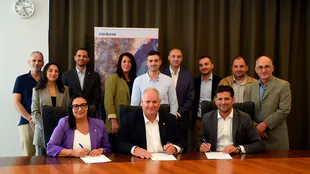
 Turkish Energy Minister Highlights Qatar as Key Partner for Regional and Global Energy Security

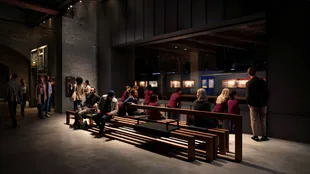 London Museum Granted 24/7 License Ahead of November Opening

 Dana White Confirms Flight to Washington for Trump Meeting on Press Secretary Role

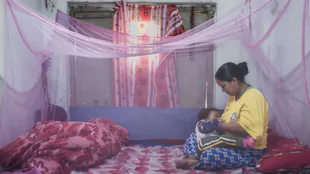 Dengue Fever Expands Into High Himalayas as Climate Change Warms Nepal

 IoT Refrigerator Hacks Disrupt Blood Labs and Supermarkets Across Europe and US

 Post-election pressures complicate US and Israeli decisions on Iran
 UN members approve talks on treaty protocol against environmental crime
 Family-run West Sussex beach café prepares for first winter season

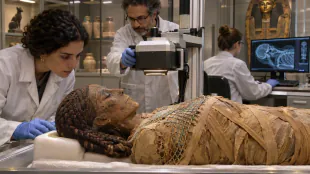 CT scans reveal health and burial clues from Egypt’s Braided Lady mummy

 Oxford faces complaints over lecturer’s classroom attire
A family on an Indonesian island poses with a relative dressed in a school uniform, while an elderly member of the local community stands patiently as loved ones put a sarong and a white shirt around him.
But the student is not off to class and their forebear is not going out -- they are both dead.
Residents around Indonesia's North Toraja regency on Sulawesi island have been celebrating a weeks-long ceremony called "the Manene".
Hundreds of corpses including those of babies are brought out in North Toraja's villages -- some from tombs locally known as patane –- as part of a ritual to honour their ancestors.
"All family groups gather, each come to check on parents, grandmothers, relatives who are in the patane," Kapala Pitu villager Yuliana Kombong Palino, 51, told AFP.
"We all gather, work together, clean (the bodies) and then change the clothes."
Coffins holding the preserved bodies of loved ones are pulled from a burial cave carved into the mountainside.
The remains are then put back in their resting place one or two days before their graves are closed again until the next ritual, Yuliana added.
A few of the bodies remain relatively intact because of the mummification process, while others have deteriorated to skeletal remains.
- 'Strong' bond -
The ceremony is carried out by the Torajans, an ethnic group of around a million people on Sulawesi island.
They believe the spirits of the dead will linger in the world before their funeral ceremonies and will begin their journey to the land of the spirits after their souls are immortalised.
"The Torajans will always remember their ancestors, even after they are dead. The bond is strong," said Benteng Mamullu resident Samuel Matasak.
Depending on the village, the Manene is usually held every few years after the rice harvest in August or September, Samuel said.
It is the first time in 40 years that a Manene ritual is being held in the two North Toraja villages of Kapala Pitu and Benteng Mamullu, residents told AFP.
The deceased were previously mummified through an embalming process using natural preservatives such as sour vinegar and tea leaves.
But many families now inject a formaldehyde solution into the corpse.
The corpse's display can be a shocking for onlooking Western tourists.
But for locals, the Manene ritual is an expression of affection to their loved ones.
"When the Manene is carried out, it is a joy for me personally that we can realise or express our love to our parents who had died, to our grandmothers, child, to relatives," Yuliana said.
"Maybe there are some things that we have not had the chance to do in their lifetime. We can realise it right now."
R.Chavez--AT