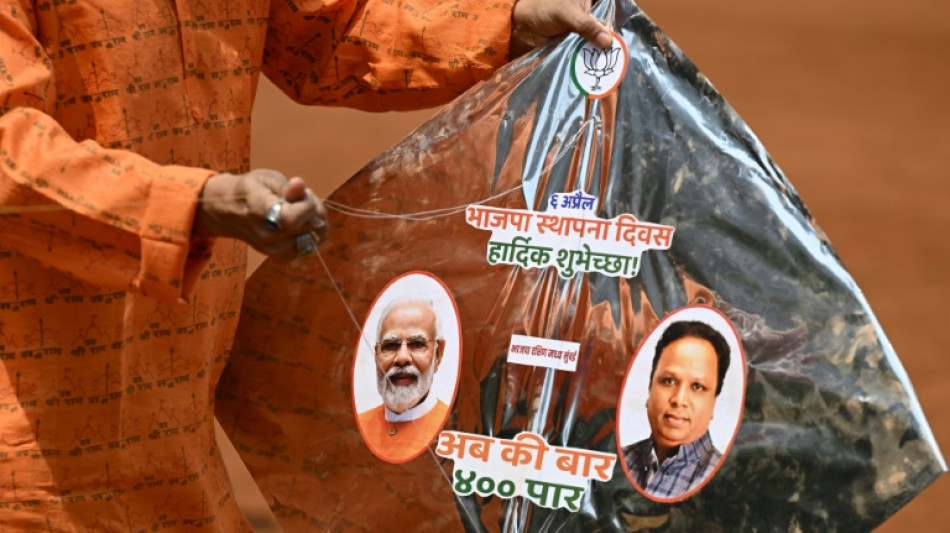
Global fact-checkers battle harassment, threats, financial perils / Photo: Indranil MUKHERJEE - AFP/File

 Chile's Atacama Desert blossoms with life after El Nino rains
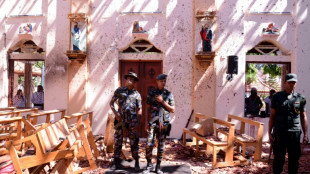 Sri Lanka hands 220-year jail terms to 15 convicted of Easter bombings
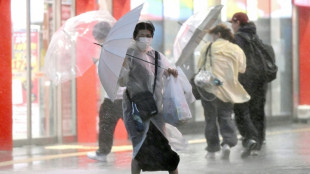 Typhoon Dujuan leaves 7 dead in Japan from landslides, flooding: media
 Ganna and Borghini lead Italy to mixed relay gold at cycling worlds
 Drug cocktail killed former child star Hayden Panettiere: coroner
 Moldova declares energy, water emergency
 French Holocaust denier jailed for eight months
 Oil prices slide, AI stock buzz fades
 Trump threatens to 'annihilate' Iran in bombastic UN speech
 Prada's skirts take centre stage as Milan Fashion Week begins
 Quoin Pharmaceuticals Announces FDA Fast Track Designation for QRX003 for the Treatment of Peeling Skin Syndrome
 Brazil's Flavio Bolsonaro turns scandal into poll gains
 Republican senator seeks probe of Trump Jr Russian-funded wedding
 Memoir by Diana's brother goes on sale after rocking UK monarchy
 Newcomers South Korea face holders Italy in Davis Cup finals
 Japan's Kojima sounds Marchand warning with Asian Games gold
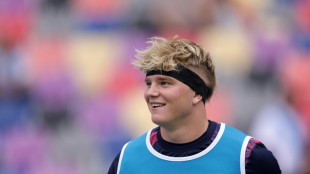 England rugby star Pollock signs new Northampton deal
 STARTRADER Expands Its Chinese Equity CFD Range with CXMT and Unitree Robotics

 MEXC Expands Opportunity Compass with Stock Trading Handbook to Help Crypto Users Build Investment Knowledge

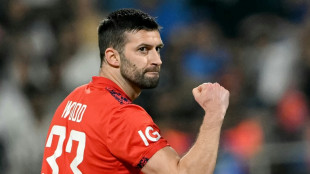 England paceman Wood retires from international cricket
 Magnificent Mandhana's 79 helps India to Asian Games cricket gold
 Marchand 'stressed' about racing Japanese rivals at LA Olympics
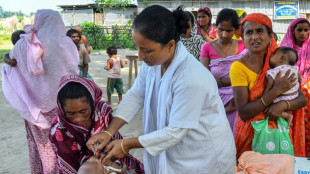 Mobile boat clinics bring healthcare to India's remote islands
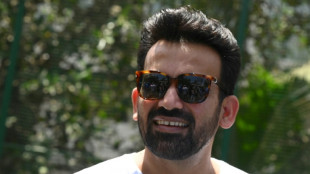 Former India paceman Zaheer Khan named Chennai coach in IPL

 Six-year-old Chinese girl sets world record with Rubik's Cube
From India and South Korea to Croatia and North Macedonia, fact-checking organizations battling an ever-rising tide of misinformation in a major election year are buffeted by legal threats, harassment and funding shortfalls.
Fact-checkers, largely under-resourced and increasingly under attack, have their work cut out this year as dozens of countries hold elections, a period when falsehoods typically explode.
Debunking fake political claims and hoaxes that threaten election integrity, likened by some researchers as a seemingly endless game of whack-a-mole, comes with a litany of challenges that are piling pressure on fact-checkers in a crucial year.
The most significant is raising funds to sustain operations, according to a new survey by the International Fact-Checking Network (IFCN) of 137 organizations across 69 countries.
The Seoul National University (SNU) FactCheck Center, South Korea's only local debunking platform, faces possible shutdown after its biggest donor –- the search engine company Naver –- pulled financial support last year.
Naver declined to comment on the reason, but the outfit's director Chong Eun-ryung believes "political pressure" from the ruling People Power Party was the "biggest factor."
SNU FactCheck Center has been accused of bias by ruling party lawmakers, a charge it rejects.
The development follows the closure of another outfit, Fact-check Net, last year after the government cut off its funding.
- 'Information warfare' -
"Fact-checkers are facing growing amounts of misinformation with limited resources for reporting and publishing," Angie Drobnic Holan, director of IFCN, told AFP.
"There are also campaigns of online and legal harassment against fact-checkers from those who prefer more cutthroat information warfare, without checks based on evidence and logic."
The IFCN survey said about 72 percent of organizations faced harassment, while many also reported physical and legal threats.
Croatian fact-checking website Faktograf.hr has been forced to invest in security measures after its staff received death threats and female reporters faced sexist insults, executive director Ana Brakus told AFP.
A text message received by one staff member warned that his fingers would be "cut off."
"We had to find ways to deal with that kind of stress" without affecting the fact-checking mission, Brakus said, adding the organization offered mental health support to its staff.
In India, home to the largest number of certified fact-checkers, Prime Minister Narendra Modi -- tipped to win a third consecutive term in upcoming parliamentary elections -- has been accused of stifling independent media.
Mohammed Zubair, co-founder of Alt News and a frequent target of government rebuke, continues to face legal threats after being briefly jailed in 2022 over accusations that he insulted a Hindi god in a tweet four years earlier.
During a fundraising drive on X, formerly Twitter, Zubair wrote Indian media organizations were being "forced to censor themselves" and in some cases, "becoming government mouthpieces."
- 'Existential threats' -
With their shoestring budgets, many fact-checkers must turn to external funding support to defend themselves against the "existential threats" that lawsuits -- often frivolous -- present, the IFCN report said.
In some cases, fact-checkers are themselves targeted by disinformation.
Truthmeter, the fact-checking service of the North Macedonia-based Metamorphosis Foundation, faced a sweeping smear campaign earlier this year after its fact-checks of Facebook posts prompted accusations that it was censoring content.
The campaign, the group said in a note to readers, escalated into insults, slander and "badly disguised calls for violence" against its staff.
"We are fully aware that such disinformation campaigns, full of attacks, manipulations, threats and hate speech will continue, especially in the pre-election period," it said, as North Macedonia gears up for the presidential race later this month.
Content moderation on social media has become a hot-button issue even in advanced economies such as the United States –- which faces elections in November -- with many users equating fact-checking with censorship.
"'Who fact-checks the fact-checkers?' is a common response to our work," said Eric Litke, who heads a US-based fact-checker, stressing the need for transparency to gain reader trust.
Fact-checking organizations, including AFP –- which debunks misinformation as part of Meta's third-party fact-checking program -- routinely face online abuse from people who dispute their ratings, sometimes even when they peddle blatantly false information.
"I've watched this movement label fact-checkers as part of a 'censorship industrial complex,'" said Holan.
"Ironically, this deeply misleading argument itself is aimed at suppressing critique and debate."
burs-ac/md/acb
A.Clark--AT