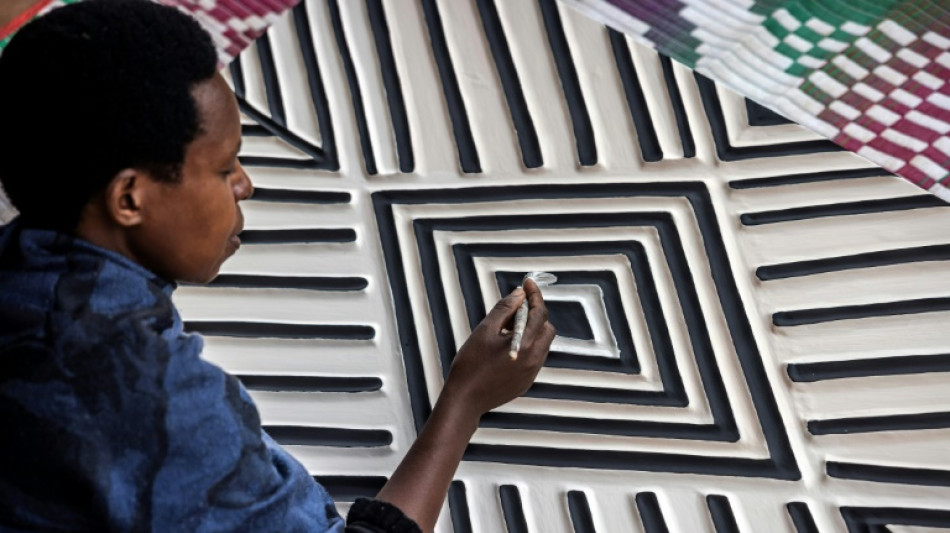
Reviving a traditional art form in Rwanda after genocide / Photo: LUIS TATO - AFP

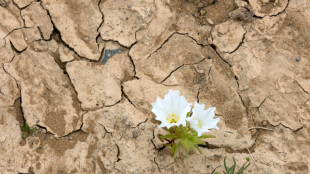 Chile's Atacama Desert blossoms with life after El Nino rains

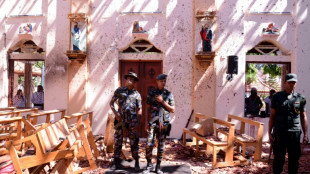 Sri Lanka hands 220-year jail terms to 15 convicted of Easter bombings

 Typhoon Dujuan leaves 7 dead in Japan from landslides, flooding: media

 Ganna and Borghini lead Italy to mixed relay gold at cycling worlds

 Drug cocktail killed former child star Hayden Panettiere: coroner

 Moldova declares energy, water emergency

 French Holocaust denier jailed for eight months

 Oil prices slide, AI stock buzz fades

 Trump threatens to 'annihilate' Iran in bombastic UN speech

 Prada's skirts take centre stage as Milan Fashion Week begins
 Quoin Pharmaceuticals Announces FDA Fast Track Designation for QRX003 for the Treatment of Peeling Skin Syndrome
 Brazil's Flavio Bolsonaro turns scandal into poll gains

 Republican senator seeks probe of Trump Jr Russian-funded wedding

 Memoir by Diana's brother goes on sale after rocking UK monarchy

 Newcomers South Korea face holders Italy in Davis Cup finals

 Japan's Kojima sounds Marchand warning with Asian Games gold

 England rugby star Pollock signs new Northampton deal

 STARTRADER Expands Its Chinese Equity CFD Range with CXMT and Unitree Robotics

 MEXC Expands Opportunity Compass with Stock Trading Handbook to Help Crypto Users Build Investment Knowledge

 England paceman Wood retires from international cricket

 Magnificent Mandhana's 79 helps India to Asian Games cricket gold

 Marchand 'stressed' about racing Japanese rivals at LA Olympics

 Mobile boat clinics bring healthcare to India's remote islands
 Former India paceman Zaheer Khan named Chennai coach in IPL

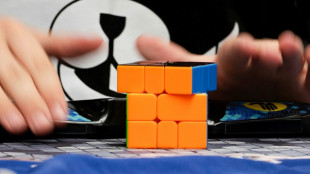 Six-year-old Chinese girl sets world record with Rubik's Cube

A 200-year-old Tutsi art form made with cow dung, Rwanda's imigongo painting tradition has experienced a revival in the Great Lakes nation three decades after the 1994 genocide, becoming a symbol of culture and unity.
Known for its raised black and white patterns, imigongo is widely believed to have been invented by a Tutsi prince in the 19th century.
Prince Kakira mixed cow dung and ash to create a material which he used to paint three-dimensional patterns on the walls of his palace in eastern Rwanda's Gisaka kingdom.
The tradition was named after "umugongo", the Kinyarwanda word for "spine", owing to its curved lines, and became popular among rural households where women would use dung and natural pigments made with soil, clay and aloe sap to decorate their homes.
Basirice Uwamariya, founder of the Kakira Imigongo Cooperative in eastern Kirehe district, told AFP she started making art when she was 15.
But the 1994 genocide targeting the Tutsi minority nearly wiped out the tradition, with almost all 15 members of Uwamariya's cooperative killed in a bloodbath that claimed around 800,000 lives across Rwanda, including moderate Hutus.
She lost her husband and multiple relatives, leaving her to fend for herself and her two sons.
"I lived in darkness, in silence," the 53-year-old said, recalling the loneliness that pushed her to revive the cooperative in 1996 and invite other genocide survivors to join her.
Since then, imigongo has evolved.
Traditional patterns exist side by side with modern designs featuring various colours. Natural pigments have been replaced by commercial paints.
Imigongo designs have made their way to upmarket studios and fashion boutiques, adorning garments and wooden artefacts alike, with a market that includes foreigners and Rwandans.
According to Theoneste Nizeyimana, manager of Azizi Life Studio in the capital Kigali, the tradition was once largely limited to eastern Rwanda.
"But after the genocide destroyed everything... people started thinking about how they can bring back their culture. Today, imigongo is appreciated by all Rwandans, not just Tutsi," he told AFP.
"Imigongo is something that brings people together," he said, pointing out that the Kigali boutique and studio holds painting classes for students whose ages range from four to 75 years old.
It also makes business sense, he said, with its instantly recognisable patterns helping to market "made in Rwanda" designs around the world.
O.Brown--AT