Fake social media accounts aimed at Ukraine, says Meta

 OPEC+ boosts September production by 188,000 barrels/day
 Rescuers recover climber Nirmal Purja's body after avalanche disaster
 Fire toll mounts in Greece as blazes spread

 Sri Lanka deploys troops after prison riot

 Baltics transform from Soviet stagnation to startup hubs
 AI keeps consumer prices high in 'RAMaggedon' chip crunch
 Dressel, Walsh win 50m free titles at US Swimming Championships
 OPEC+ tipped to raise production again but new quotas loom

 De Zerbi unsure over Richarlison's future at Spurs

 Tottenham manager De Zerbi 'happy' with pre-season progress
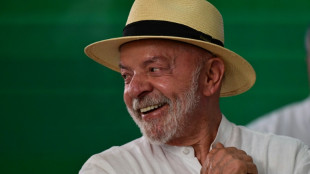
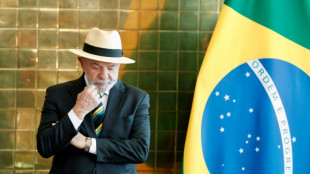 Brazil's Lula launches fourth term bid as Trump looms over campaign
 Alonso welcomes Mudryk's Chelsea return after doping ban
 'Damn hot': Last summer for Japan cosplay extravaganza
 Auger-Aliassime playing for hometown pride at Montreal Masters

 Commonwealth Games poster boy Kerr delivers mile gold in Glasgow
 Pegula defeats Shnaider to reach Washington Open final

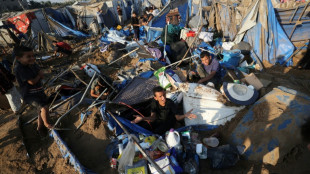 Gaza officials say Israeli strikes kill seven day after deal

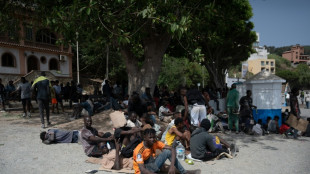
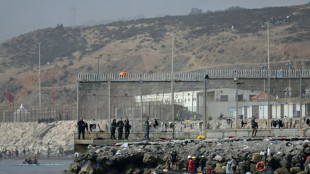 Hundreds of minors sleep rough in Ceuta migrant crisis

 Ex-British champion jockey Crowley takes 'hardest decision' to retire

 Brentford sign Mali midfielder Sangare in club record deal

 Chelsea sign Brighton striker Welbeck
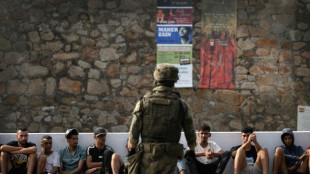
 Mountaineer Nirmal Purja, team killed in Pakistan avalanche
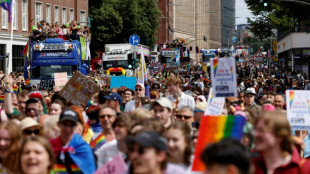 Pride march draws hundreds of thousands in Germany week after attack

 Maresca 'happy' after first Man City game despite Inter shootout defeat
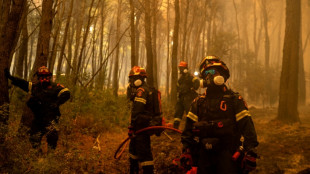 Firefighters in Greece 'pushed to the limit' as winds rage
Pro-Russia groups are orchestrating misinformation campaigns on social media, using fake profiles or hacked accounts to paint Ukraine as a feeble pawn of Western duplicity, Meta said Sunday.
The cyber security team at the tech giant -- parent of Facebook and Instagram -- said it blocked a set of Russia-linked fake accounts that were part of a social media scheme to undermine Ukraine.
"They ran websites posing as independent news entities and created fake personas across social media platforms including Facebook, Instagram, Twitter, YouTube, Telegram and also Russian Odnoklassniki and VK," Meta said in a blog post.
In some cases, "they used profile pictures that we believe were likely generated using artificial intelligence techniques."
The small network of Facebook and Instagram accounts targeted people in Ukraine, using posts to try to get people to visit websites featuring bogus news about the country's effort to defend itself from the invasion by Russia.
Meta said it connected the network to people in Russia and Ukraine, as well as media organizations NewsFront and SouthFront in Crimea.
The US has identified NewsFront and SouthFront as disinformation outlets that get marching orders from Russian intelligence services.
The organizations were among more than a dozen entities sanctioned by Washington for trying to influence the 2020 US presidential election "at the direction of the leadership of the Russian Government."
Meta shut down the bogus accounts and blocked sharing of internet addresses involved in the deception, director of threat disruption David Agranovich said in a briefing.
Bogus claims published by the sites include that the West had betrayed Ukraine and that Ukraine is a failed state, according to Agranovich.
- 'Ghostwriter' -
Meanwhile, a hacking group called Ghostwriter believed to operate out of Russia has ramped up action against military figures and journalists in Ukraine in recent days, according to Meta's security team.
Ghostwriter's typical tactic is to target victims with "phishing" emails that trick them into clicking on deceptive links in an effort to steal log-in credentials.
The goal of compromising Facebook accounts appeared to be to spread links to misinformation, such as a YouTube video falsely contending to be of Ukrainian soldiers surrendering to Russian troops, according to Meta.
"We've taken steps to secure accounts that we believe were targeted by this threat actor," said Meta head of security policy Nathaniel Gleicher.
"We also blocked phishing domains these hackers used to try to trick people in Ukraine into compromising their online accounts."
Facebook on Friday restricted Russian state media's ability to earn money on the social media platform as Moscow's invasion of neighboring Ukraine reached the streets of Kyiv.
Gleicher said that Meta had yet to see any throttling of Facebook in Russia, despite the country threatening to hit it with restrictions after it refused to stop using fact-checkers and content warning labels on state media posts.
Social media networks have become one of the fronts in Russia's invasion of Ukraine, home to sometimes misleading information but also real-time monitoring of a quickly developing conflict that marks Europe's biggest geopolitical crisis in decades.
A.O.Scott--AT