Malta Emerges as Premier Low-Season Destination for UK Travelers

 Philippines Urges ASEAN and China to Accelerate South China Sea Code of Conduct

 Mbeki Claims No Progress Since 2018; Author Cites Infrastructure and Economic Gains

 Qatar's Amir and Venezuelan Acting President Discuss Energy Cooperation
 InterContinental Hotels Group PLC Announces Transaction in Own Shares - November 16

 Hawai‘i Falls to North Dakota State, Bowl Hopes Dashed

 Park Jin-young Denies Cult Allegations Against Firstfruits Group

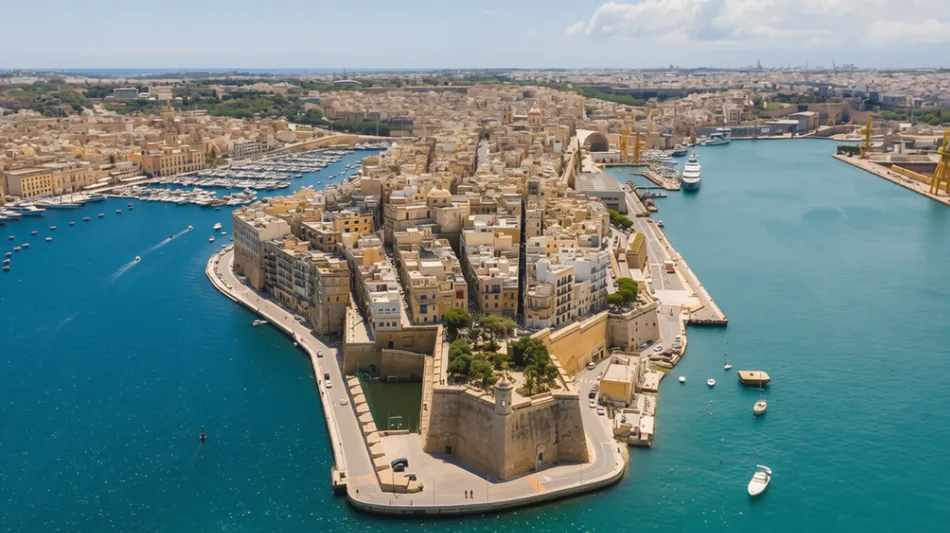
Malta has been identified as a leading destination for travelers seeking to escape grey skies during the winter months. Located just a three-and-a-half-hour flight from the UK, the Mediterranean archipelago offers visitors access to world-class culture, historic sites, and culinary experiences without the intensity of summer crowds.
Malta has emerged as a premier destination for travelers seeking to escape the grey skies and drizzle of the UK winter, offering a combination of proximity, climate, and cultural depth. The sun-kissed archipelago, situated at the heart of the Mediterranean, is accessible via a flight of just three and a half hours from Britain, providing visitors with balmy weather and an extensive array of historical and leisure activities.
The appeal of visiting during the low season lies in the availability of accommodation options that are often fully booked during peak summer months. Travelers can choose from boutique farmhouses, traditional farmhouse stays, and glamorous clifftop retreats. The island’s status as a former British colony means English is an official language alongside Maltese, facilitating ease of settlement for UK visitors.
Valletta, the capital city, was built by the Knights of St John in the 16th century and holds UNESCO World Heritage status. Despite its age, the compact city remains easy to navigate, with cobbled lanes lined by honeyed stone buildings and ornate balconies that have changed little over five centuries. Key attractions within the city include St John’s Co-Cathedral and the Grand Master’s Palace, both renowned for their dazzling frescoes and golden opulence.
Malta’s strategic location and deep natural harbor have attracted various civilizations over millennia, shaping its unique identity. This history is visible in Fort St Angelo, a bastioned fort that guards the entrance to the harbor. Visitors can reach the fort by boarding a dgħajsa, a traditional Maltese boat similar to a gondola, to cross the water to the Three Cities. These three peninsulas—Vittoriosa, Senglea, and Cospicua—are characterized by mazes of cobbled streets, hidden squares, and historic churches.
Inland lies Mdina, the old capital first settled during the Bronze Age. Enclosed within ancient protective walls, the city displays a blend of Arabic, Baroque, and Renaissance influences. The archipelago is also home to megalithic temples that predate the Egyptian Pyramids. While little is known about the Neolithic cultures that constructed them, visitors can observe the smooth stonework of ancient masons, including doorways designed to channel solstice sunlight. Slabs decorated with markings may indicate a moon calendar, and the Xagħra stone circle marks burial sites within natural caves.
Beneath the surface, the Ħal Saflieni Hypogeum presents an intricate network of stone passageways and chambers. This underground burial complex stretches horizontally for 500 meters and vertically over three storeys. Following a tour of these prehistoric halls, visitors can view statues and burial offerings from civilizations dating back 7,000 years at the National Museum of Archaeology.
Maltese cuisine reflects a blend of North African, Arabic, and Mediterranean flavors. Dining options range from home cooking classes and farm-to-table feasts to seven Michelin-starred restaurants. Winter menus often feature Sicilian-influenced soups and risotto, slow-braised rabbit stew, or bragioli, which are braised, stuffed bundles of beef. Street food staples include pastizzi, flaky pastries filled with ricotta or peas, and Gozo ġbejniet, a small sheep’s milk cheese served fresh, cured, sun-dried, or peppered. These are typically eaten with local olive oil and ħobż, a coarse, dark-crusted bread similar to sourdough.
The island’s wine industry offers both international and native varieties. Visitors can sample Chardonnay or the native Girgentina grape for whites, as well as rich red Cabernet Sauvignon or the rare native Ġellewża, known for its soft liquorice notes.
Cooler temperatures during sunny days make hiking and biking ideal outdoor activities. Trails trace rocky coastlines to sweeping beaches and limestone valleys. Heritage trails connect archaeological sites and points of interest, while e-bikes allow for exploration between villages and scenic viewpoints. The Mediterranean Sea remains a draw year-round, with opportunities to charter skippered yachts to explore the Grand Harbour or the pristine coastline of Comino.
After days of outdoor exploration, visitors can retreat to high-end spas for massages and restorative treatments. Malta’s cultural calendar remains vibrant in winter, offering specific reasons for seasonal visits. The Three Palaces festival takes place in October and November, staging performances in magnificent heritage sites. December features seasonal festivals and winter markets with wooden stalls and handicrafts, while Valletta and Mdina are illuminated with Christmas lights.
January marks the start of the Valletta International Baroque Festival, bringing period ensembles to life in authentic historical settings. Sports enthusiasts can participate in the Malta Marathon in February. Throughout the year, local village feasts provide lively community celebrations with street food, live music, and fireworks, alongside events at the Malta International Contemporary Art Space.
While Malta is considered dazzling in any season, the quieter winter months offer a distinct experience characterized by fewer crowds, sunny weather suitable for outdoor activities, and vibrant local culture. This allows visitors to explore at their own pace, sample island produce, and enjoy what is described as the Mediterranean’s best-kept winter secret.
Y.Baker--AT