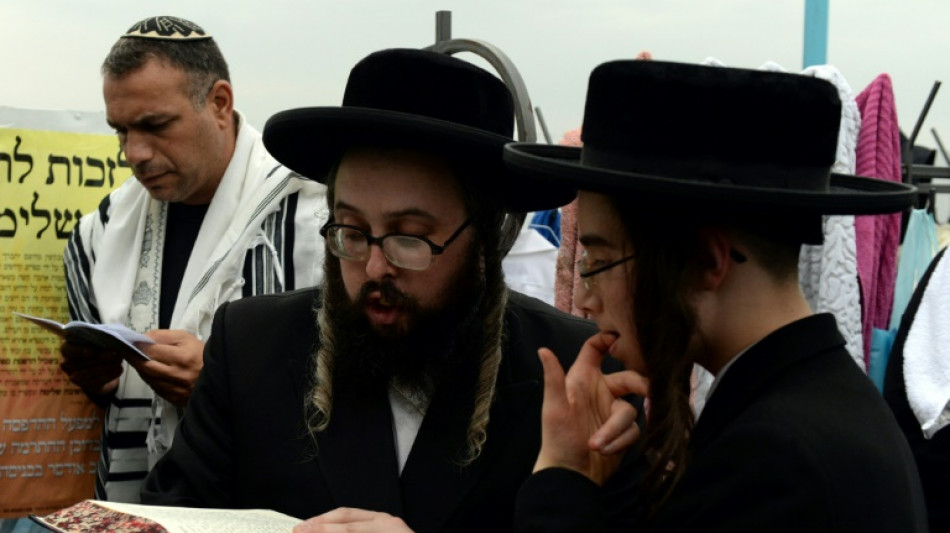
Defying warnings, Jews embark on Ukraine pilgrimage / Photo: VASILY MAXIMOV - AFP/File

 Germany's Merz 'shocked' by far-right state win but vows to stay course

 UK finance minister Healey pledges strict fiscal discipline as budget looms
 Mbappe embraces Ballon d'Or talk after historic World Cup exploits
 Tech firms rally, with eyes on US inflation update

 Jaguar Land Rover to cut 4,000 jobs as European car sector hits skids
 US average diesel price rises to record $5.90 a gallon: AAA

 Dukascopy Bank Unveils AI-Powered Trading, 25,000+ Stock CFDs and a New Flagship E-Banking App

 Tech firms rally but Asian markets mixed, with eyes on US inflation

 Nepal holds day of mourning as families pray missing still alive
 African players in Europe: Mbeumo fires solo goal as United draw

 Malaysia cancels haze emergency, but warns problems remain
 Philippine sensation Eala looks forward to Asian Games 'fun'
 Jakarta airport extends closure after volcano eruption

 Lonely woman director in Venice sees industry backsliding on gender
 Tech firms rally on mixed day for Asian markets, with eyes on US inflation

 World number one An sends Asian Games warning with China hat-trick

 PSG go for three in a row as Champions League returns
 "Super-human' Alcaraz books US Open quarter-final clash with Shelton

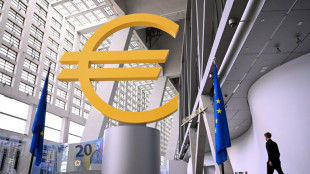 ECB set to hike interest rates as Iran war flares anew
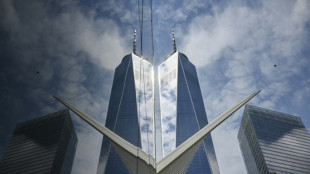
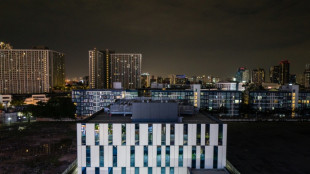 AI data centers are less thirsty now, tech giants say

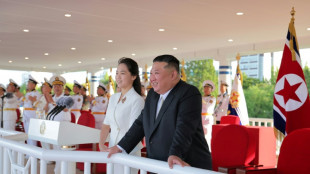 North Korea vows nuclear-armed navy as US ally drills open

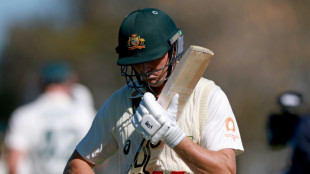 Under-fire Labuschagne named in Australia Test squad for South Africa

 InterContinental Hotels Group PLC Announces Transaction in Own Shares - September 07
 Genflow Biosciences PLC Announces Appointment of Investor Relations Adviser
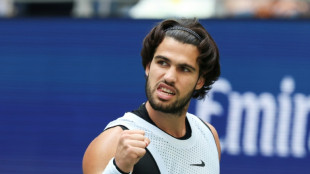
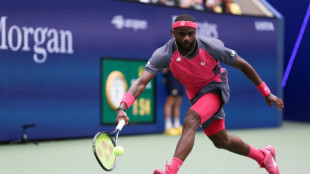 Tiafoe tops Medvedev in straight sets at US Open
Thousands of Israeli ultra-Orthodox Jews have vowed to brave the dangers of Russia's invasion of Ukraine and make a pilgrimage there during the Jewish new year, Rosh Hashana.
Among those who said they would not be deterred by the war or by government travel warnings and head to the Ukrainian city of Uman was Avraham Burstein, 51, a musician and actor.
"It is like being in love, I simply have to go," he said as he tuned his accordion at his Yiddish music school in Jerusalem.
Burstein has travelled to Uman, some 200 kilometres (125 miles) south of Kyiv, every year since 1989, only missing the pilgrimage once, in 2020, when the Covid pandemic shut down international travel.
That year he still attempted to enter Ukraine and "tried from eight different countries", he chuckled, insisting that this year he would make it to Uman for the holiday which begins on September 25.
Most of those travelling are, like Burstein, members of the Breslov branch of haredi Judaism, loyal followers of Rabbi Nachman, from Bratslav in modern-day Ukraine, who died in 1810.
Nachman was the founder of an ultra-Orthodox movement that settled in Uman in the early 1800s. Before his death, he asked that his followers visit his tomb to celebrate Jewish holidays.
"For us, it would be nice if he was buried in London, or in Amsterdam, even in Berlin," said Burstein. "But he chose to be there, and he asked us to come every year for Rosh Hashana, so we have to go."
- 'Let me go' -
The pilgrimage was greatly suppressed during the era of the Soviet Union, and it was only after its collapse in 1991 that the annual visits began to balloon into the tens of thousands.
"All my life growing up, I prayed to God: please one time let me go to Rabbi Nachman's grave, just one time," said Burstein.
"It was so difficult" because of the stringent Soviet restrictions on entry, he said. "North Korea was easier to go to. It was like the moon."
Though he said he had not yet booked his ticket, Burstein planned to travel later this week with his two sons.
Israeli Prime Minister Yair Lapid this month urged citizens to avoid Uman, warning of a "life-threatening danger", and the Ukranian embassy in Israel last week issued a similar warning.
Uman was badly hit by Russian missiles in the early weeks of the war, and just last month a civilian was killed by a Russian missile in the district, according to a statement from a regional official, Ihor Taburets, posted on messaging service Telegram.
Burstein said he could "understand the prime minister and president asking us not to go -- they are responsible for the security of the people".
But he argued that, given the frequent security incidents in his home country, "if you are coming from Israel, you don't worry about the danger".
- Sold-out flights -
Direct flights to Kyiv have been cancelled since the Russian invasion of Ukraine began, yet thousands of pilgrims have already set out on their journeys.
One haredi travel agent in Jerusalem, who asked not to be named for fear of rebuke in the community, said flights to countries bordering Ukraine had largely sold out for the rest of the month.
At Tel Aviv's Ben Gurion Airport last week, flights to Moldova and Romania were packed with Breslov haredim heading for Uman.
"Why should we be worried? If you believe in God you're not afraid of anything," Avraham Elbaz told AFP as he checked in for his flight to the Moldovan capital Chisinau.
In September 2020, thousands of ultra-Orthodox Jews were trapped for days between the borders of Belarus and Ukraine after Kyiv refused to allow them entry due to the Covid pandemic.
Before the pandemic, more than 50,000 pilgrims travelled annually during Rosh Hashana, said Gilad Malach, director of the Ultra-Orthodox in Israel programme at the Israel Democracy Institute think-tank.
He estimated that anywhere between 5,000 and 10,000 pilgrims would attempt the journey this year.
"The majority, when there are restrictions, understand the reasons not to go, whether that is Covid-19 or the war," Malach told AFP.
"But for the hardcore hasidim, it's one of the basic commitments that they have," he added, saying their belief is that "you should do anything to get there".
"The more it is forbidden or hard, the more you are appreciated as a follower if you succeed in overcoming the obstacles and visiting the grave."
For Burstein, the war has only heightened the journey's importance.
"We hope that because of our prayer there, we can bring peace to the world," he said.
D.Lopez--AT