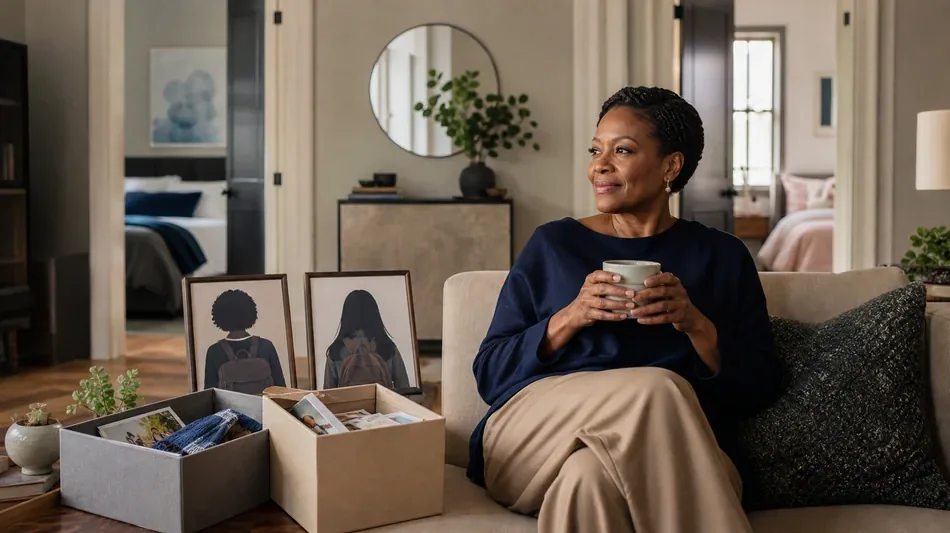
Michelle Obama Says She Welcomes Life After Active Parenting Years

 Zach Hickerson Recounts Hayden Panettiere's Final Moments in New Interview

 Luxembourg Housing Petition Passes Threshold for Parliamentary Consideration

 Raheem Sterling Receives Suspended Sentence After Lamborghini Crash

 Audience to Choose the Set List at Luxembourg's First FAMIL Jukebox Night

 Luxembourg Pay Rise Delayed as Regional and World Headlines Develop

 Chennai Urbanist Sashna Develops 'Anniki' Card Game to Gamify Tamil Nadu History

 Transport Minister Defends Land Seizure Powers for Toronto-Quebec City High-Speed Rail

 UAE Weather Forecast: Scattered Showers and Fog Expected as Temperatures Drop
Michelle Obama told Jon Stewart that she loves daughters Malia and Sasha but does not miss the anxiety and schedule demands of having them at home, drawing criticism from conservative commentators.
Former first lady Michelle Obama said she does not miss the day-to-day demands of having her adult daughters at home, describing her current independence during an appearance on Jon Stewart’s “IMO” podcast. Her brief answer and subsequent explanation prompted criticism from conservative commentators who interpreted the remarks as resentment toward motherhood.
During Wednesday’s episode, Stewart said active parenting had supplied meaning and structure to his life and asked whether Obama missed that stage. She replied, “I’m good,” then stressed that she loves Malia and Sasha and planned to have dinner with them that evening. Her point, she said, was not a lack of affection but relief from the constant fear and uncertainty that accompanied Friday nights when her daughters were younger.
Obama contrasted her response with that of her husband. She said Barack Obama cried when the girls left for college, while she was ready to say goodbye. With her daughters grown, she said, she no longer spends nights worried about where they are and now controls her own schedule.
Elizabeth Barcohana, a California Republican Party delegate and mother, told Fox News Digital that the comments appeared to go beyond ordinary parental exhaustion. Barcohana said they conveyed resentment and suggested Obama seemed pleased that her daughters’ childhoods were over. She placed the remarks in the context of a broader national discussion of motherhood.
Conservative commentator Matt Walsh also attacked Obama’s response, arguing that the family’s wealth would have reduced many practical burdens of child-rearing. Political commentator Link Lauren characterized the podcast more broadly as a venue for Obama to complain about her family and privileged lifestyle.
Obama’s fuller remarks emphasized the amount of time she had already invested in her children. She said she had enjoyed extensive quality time with Malia and Sasha, knew them closely and now appreciated having a schedule that belonged to her. That explanation presented her reaction as satisfaction with having completed an intensive phase of parenting rather than rejection of her daughters.
The former first lady has previously discussed the choices she and Barack Obama made while raising their children during his presidency. Last year, she praised him as a parent and said both adults deliberately reserved time for Malia and Sasha throughout the eight years their daughters were in formative stages of life.
Malia and Sasha grew up under unusually public circumstances after their father won the presidency in 2008. Michelle Obama’s latest comments distinguished the continuing relationship she has with them as adults from the responsibility and anxiety of supervising children living at home. The disagreement that followed largely centered on whether her informal delivery should be read as humor and relief or as dissatisfaction with motherhood.
L.Adams--AT


