
Birth Injury Justice Center: Fetal Monitoring Errors Are a Leading Cause of Preventable Birth Injuries

 Gauff says online abuse was 'draining' after China Open exit

 As sector struggles, Porsche puts luxury ahead of volume

 'It's personal': Fiji minister pushes better climate finance at pre-COP

 Russia glosses over dark Soviet past in reinvented museum

 UK tax body opened probe into Man City in 2018: FT

 Yemen's Houthis claim new attacks on Saudi airports as conflict deepens
 Germany factory production at highest level for 18 months

 Thailand floods death toll rises to 60 since mid-September

 US pushes Russia for information on plague reports

 Myanmar leader lands in Malaysia for migrant return talks

 Indian central bank hikes rates for first time since 2023

 US military on Okinawa face curfew, alcohol ban after murder case

 Fierce lobbying in EU over 'forever chemicals'

 Dodgers beat Braves and Padres avoid sweep in MLB playoffs

 Mourning, war and elections as Israel marks October 7

 Messi says Argentina retirement is 'saddest day of my career'

 Oil rises and stocks fall as Hormuz worries flare

 Pacific presses world for help 'surviving' climate change at pre-COP summit

 Verstappen revival to be put to the test in steamy Singapore

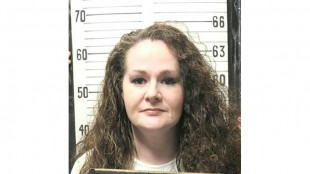 US woman who survived botched execution is conscious, speaking: lawyers

 Climate champion Australia digging more coal

 Emotion, tears as Messi retires from Argentina national team

 Dodgers push Braves to the brink of MLB playoff exit

 Crisis-stricken Haiti postpones elections

 N. Korea's Kim pledges 'invariable support' in Putin birthday letter

Used in delivery rooms nationwide, fetal monitoring creates a real-time record of how a baby responds during labor. When doctors or nurses miss or ignore warning signs, babies can suffer preventable injuries, and families may have a legal claim.
BOSTON, MA / ACCESS Newswire / July 22, 2026 / The Birth Injury Justice Center is warning families that fetal monitoring errors remain a leading cause of preventable birth injuries, especially in cases involving oxygen deprivation, hypoxic-ischemic encephalopathy (HIE), brain damage, and cerebral palsy.
Electronic fetal monitoring records a baby's heart rate during labor and shows how the baby responds before, during, and after contractions. The monitor creates a fetal heart rate tracing, often called a strip, that becomes part of the medical record. Doctors and nurses are expected to review those tracings, recognize concerning changes, and act quickly when a baby shows signs of distress.
"Families often know their child was injured at birth, but they do not know what the fetal monitoring strip showed or whether the medical team responded in time," said a representative for the Birth Injury Justice Center. "That record can be one of the most important pieces of evidence in a birth injury lawsuit."
Fetal heart rate tracings are usually grouped into three categories. Category I is generally normal. Category II means the baby may need closer watching and further evaluation. Category III is abnormal and can mean the baby is not getting enough oxygen. According to the American College of Obstetricians and Gynecologists, Category III tracings require prompt evaluation and intervention. If the pattern does not improve, the care team may need to move quickly, including ordering an emergency C-section.
Birth injury lawsuits involving fetal monitoring errors often center on whether the care team failed to recognize a worsening tracing, failed to alert the attending physician, failed to respond to recurrent decelerations, or delayed a necessary emergency C-section.
A 2025 study published in the American Journal of Obstetrics and Gynecology found that nearly 1 in 4 cases of hypoxic-ischemic encephalopathy (HIE), a brain injury linked to oxygen loss or reduced blood flow, may have benefited from preventive steps during labor.
For families, the key question is often not whether a monitor was used. It is whether the strip showed warning signs and whether anyone acted on them.
Recent birth injury lawsuits show how serious these cases can be. In 2025, a Utah court awarded $951 million in a birth injury case involving allegations that nurses failed to recognize and respond to fetal distress, leading to HIE and lifelong disabilities. In 2024, a Michigan family was awarded $120 million after a delayed C-section allegedly caused severe brain damage and cerebral palsy.
These results do not predict the value of any individual case. However, they show why families should not ignore concerns about what happened during labor and delivery. Birth injuries involving hypoxic-ischemic encephalopathy, cerebral palsy, or lifelong care needs can create enormous medical, financial, and emotional consequences.
The fetal monitoring strip may show when distress first appeared, how long it continued, whether the baby recovered between contractions, and whether the delivery team escalated care. It may also show whether interventions were attempted, whether Pitocin or other medications contributed to fetal stress, and whether a C-section should have happened sooner.
The Birth Injury Justice Center has registered nurses with decades of advanced labor and delivery experience available to talk with families at no cost.
Families do not need to know whether malpractice occurred before asking for help. They only need to know that their child suffered a serious injury and that something about the labor or delivery does not feel right.
For a free case review with a registered nurse, visit childbirthinjuries.com.
About the Birth Injury Justice Center: Founded in 2003, the Birth Injury Justice Center is dedicated to educating and empowering families affected by preventable birth injuries. With registered nurses on staff and a national network of experienced birth injury attorneys, the organization helps families understand what went wrong, know their legal rights, and pursue the compensation their child deserves.
CONTACT:
Beth Carter
(855) 346-6101
[email protected]
1330 Boylston St., Suite #400
Chestnut Hill, MA 02467
SOURCE: Birth Injury Justice Center
View the original press release on ACCESS Newswire
Ch.Campbell--AT