Herbert Hoover's Economic Ideas Still Spark Conversation Nearly a Century Later

 West must embrace 'national power' or face decline: Rubio
 Shell refining margins reach record highs as wars hit supply

 Former Spain, Barca winger Pedro retires from football

 Arteta signs new Arsenal deal until 2030

 Stocks decline as oil climbs on Mideast flareup
 Gauff says online abuse was 'draining' after China Open exit

 As sector struggles, Porsche puts luxury ahead of volume
 'It's personal': Fiji minister pushes better climate finance at pre-COP

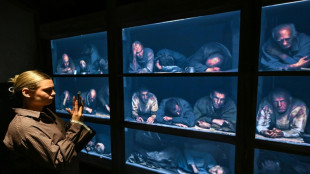 Russia glosses over dark Soviet past in reinvented museum

 UK tax body opened probe into Man City in 2018: FT

 Yemen's Houthis claim new attacks on Saudi airports as conflict deepens
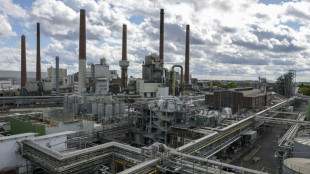 Germany factory production at highest level for 18 months
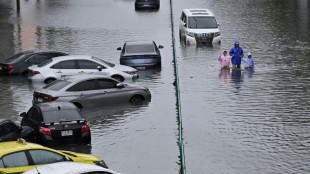 Thailand floods death toll rises to 60 since mid-September
 US pushes Russia for information on plague reports

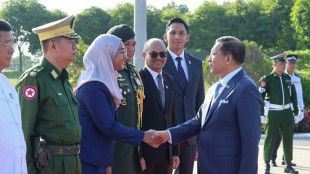 Myanmar leader lands in Malaysia for migrant return talks

 Indian central bank hikes rates for first time since 2023

 US military on Okinawa face curfew, alcohol ban after murder case

 Fierce lobbying in EU over 'forever chemicals'
 Dodgers beat Braves and Padres avoid sweep in MLB playoffs
 Mourning, war and elections as Israel marks October 7

 Messi says Argentina retirement is 'saddest day of my career'
 Oil rises and stocks fall as Hormuz worries flare

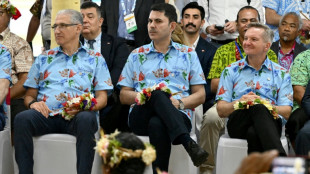
 Pacific presses world for help 'surviving' climate change at pre-COP summit
 Verstappen revival to be put to the test in steamy Singapore
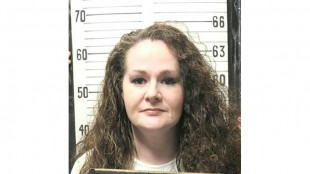 US woman who survived botched execution is conscious, speaking: lawyers
Reimagined Herbert Hoover Presidential Library and Museum Invites Visitors to Explore the President Behind the Policies
WEST BRANCH, IA / ACCESS Newswire / July 16, 2026 / Few American presidents have had their economic philosophy debated as passionately or remembered as long as Herbert Hoover.
For generations, Hoover's name has been closely tied to the Great Depression. Yet historians increasingly encourage Americans to look beyond the headlines and examine the complexity of his economic beliefs, his humanitarian record, and the difficult challenges he faced during one of the nation's darkest periods.
Beginning August 6, 2026, visitors to the newly reopened Herbert Hoover Presidential Library and Museum in West Branch, Iowa, will have the opportunity to do exactly that.
The museum's reimagined exhibits place Hoover's economic philosophy within the broader context of his life from his success as a self-made mining engineer and international businessman to his unprecedented humanitarian work feeding millions after World War I and his years in the White House during the onset of the Great Depression.
Long before entering politics, Hoover believed economic opportunity came from innovation, education, entrepreneurship, and voluntary cooperation between government, business, and communities. He often argued that prosperity was strongest when individuals had the freedom to create, build businesses, and solve problems while government provided stability rather than directing the economy.
Hoover believed America's greatest challenges could be solved through voluntary cooperation among businesses, communities, and government rather than through expanded federal control.
When the stock market crashed in 1929, Hoover faced an economic crisis unlike any the nation had experienced. During his presidency, he supported public works projects, expanded lending programs, encouraged business leaders to maintain wages, and signed legislation intended to stabilize financial institutions. Critics argued his response did not go far enough, while supporters contend many of his actions laid the groundwork for later recovery efforts.
"History often remembers Herbert Hoover through a single chapter," said Mundi McCarty, President and CEO of the Herbert Hoover Presidential Foundation. "The museum invites visitors to explore the full story, to understand his beliefs, examine the decisions he made, and consider the historical context surrounding one of the most challenging periods in American history."
The renovated museum presents multiple perspectives through historical documents, artifacts, photographs, multimedia experiences, and firsthand accounts, allowing visitors to examine Hoover's presidency and economic policies with greater depth and nuance.
Beyond his time in office, Hoover continued to influence economic policy for decades. He advised presidents from both political parties, chaired commissions focused on improving the efficiency of the federal government, and remained an active voice in discussions about fiscal responsibility, public administration, and international relief.
Today, many of the questions Hoover confronted continue to shape national conversations.
What is the proper role of government during an economic crisis? How should public and private sectors work together? How can economic growth be balanced with individual opportunity and responsibility?
These are questions visitors are invited to explore as they experience the newly transformed museum.
The Herbert Hoover Presidential Library and Museum officially reopens on Thursday, August 6, 2026, with a full day of events celebrating the completion of a major renovation that brings fresh perspectives to one of America's most influential and often misunderstood presidents.
About the Herbert Hoover Presidential Foundation
The Hoover Presidential Foundation is a nonprofit organization dedicated to preserving and advancing the legacy of Herbert Hoover through support of the Herbert Hoover Presidential Library and Museum and Herbert Hoover National Historic Site in West Branch, Iowa. The Foundation promotes leadership, service, and civic responsibility while sharing Hoover's humanitarian impact and enduring contributions with new generations. Visit us online at https://hooverpresidentialfoundation.org
MEDIA CONTACT
Mundi McCarty, President & CEO, Hoover Presidential Foundation
(M): 319-321-8010 | (O): 319-643-5327 | E-mail: [email protected]
SOURCE: Hoover Presidential Foundation
View the original press release on ACCESS Newswire
H.Romero--AT