India's choked pavements fail pedestrians / Photo: Noah SEELAM - AFP

 Oil prices spike after Trump rejects Iran truce offer
 Taylor Swift sets new record at MTV VMAs
 Seoul seeks apology after Ukraine reveals transfer of North Korean POWs

 Messi on target again but Miami downed by Columbus

 In Washington's political cauldron, a fight over foie gras

 Flavio Bolsonaro: political heir in his father's shadow

 Ravens grab last-second win in Rio as Commanders stop Seahawks

 USA rallies to capture 11th consecutive Presidents Cup

 Phillies clinch, Astros wrap up division on final day of MLB season

 Commanders hand champion Seahawks their first loss

 Dupont scores twice to send Toulouse top of Top 14

 Ireland beat Israel but no handshakes due to war in Gaza

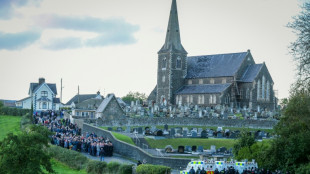 Tense standoff over flashpoint N.Ireland parade lasts into night

 Stunned McNulty wins 'miracle' road race world title

 Re-released 'Avengers: Endgame' snaps-up N. America box office lead

 American McNulty wins shock road race world title

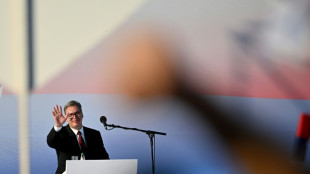 Serbia's President Aleksandar Vucic announces resignation
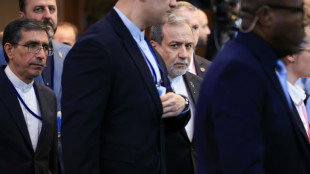
 Tuchel urges Bellingham to play with 'rage'

 Russian strikes on Ukraine kill 8
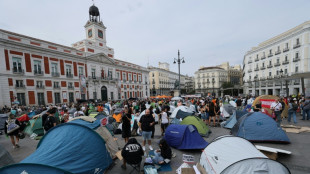
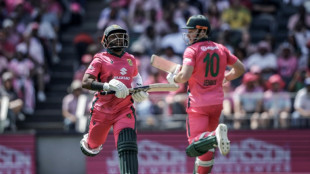 Bavuma, Miller hit centuries as South Africa clinch series
 Spain bring in Le Normand for injured Garcia

 UK Labour party meets buoyed by Burnham but seeking concrete plans
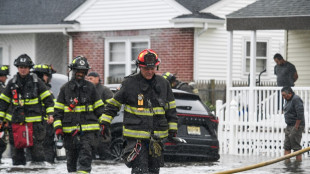 Nor'easter lashes US east with punishing rain and wind

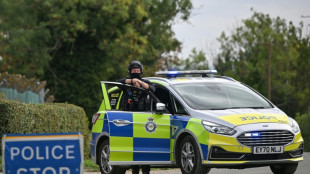 UK police arrest five on suspicion of preparing 'terrorist act' near air base

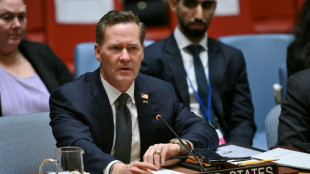 Washington denounces Iran's truce proposal as 'cynical'

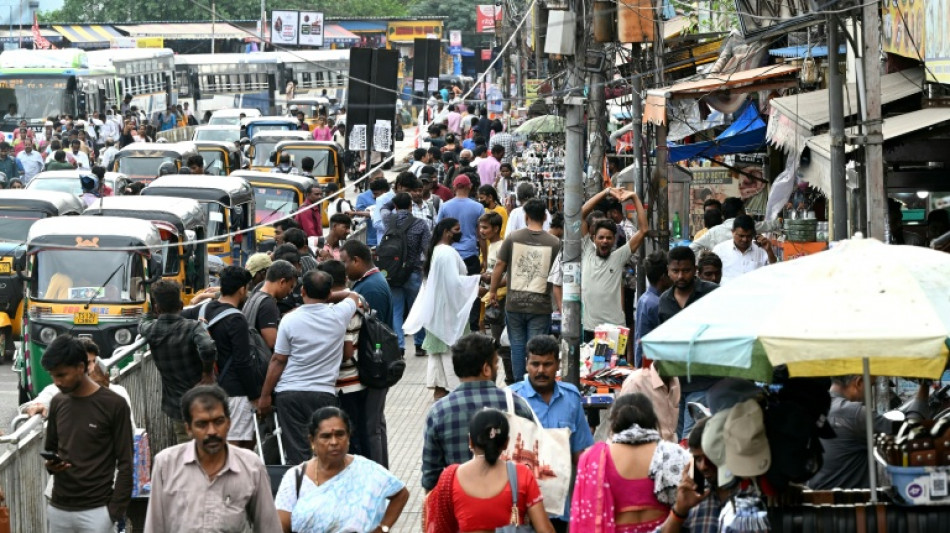
In India, a pavement can be many things -- a hawking site, parking area and garbage dumping space -- but rarely what it is meant to be: a safe path to walk.
Across the country, pedestrians are routinely forced to walk on busy roads, despite a recent ruling by the Supreme Court that said citizens have a "fundamental right" to safety on footpaths.
The ruling in June stemmed from the death of a five-year-old child who was run over by a tanker while walking to school on a road that, the court noted, had neither a footpath nor a pedestrian crossing.
"If the road exists, there is a duty to ensure that there are demarcated and well-maintained footpaths for walkers," the court said.
For writer Patralekha Chatterjee, a routine walk to the neighbourhood market in the capital New Delhi is fraught with hazards.
The mile-long route is obstructed by parked vehicles, potholes and rubbish, leaving pedestrians little choice but to step into traffic.
"There are cars coming at you from everywhere," Chatterjee told AFP.
More than 2,000 kilometres (1,200 miles) away in the tech hub of Bengaluru, 21-year-old resident Srinivas Angadi faces similar challenges.
"Footpaths are encroached upon by street vendors and shop extensions, forcing pedestrians onto the road," he said.
"Protecting footpaths is important for everyone's safety."
- Deadly roads -
A Supreme Court-appointed committee found in 2024 that 84 percent of footpaths failed to meet basic engineering standards, and only one in four was usable.
The stakes are high in a country with one of the world's deadliest road networks.
More than 30,000 pedestrians are killed on Indian roads every year, according to official data, accounting for around 11 percent of global road fatalities -- even though India has only about one percent of the world's vehicles.
Campaigners say the problem is not a lack of legislation but a chronic failure to enforce existing rules.
"India's problem is not a lack of laws or policy frameworks but poor implementation by local authorities," said Rishi Aggarwal, founder of Mumbai-based advocacy group The Walking Project.
He argues that many pavement conflicts could be avoided if city planners formally incorporated street vendors into urban design instead of treating them as an afterthought.
Aggarwal suggested reserving designated spaces for vendors within commercial complexes, providing shelter from extreme weather as well as access to clean toilets.
He also alleged that a thriving informal economy around street vending and public space occupation has reduced incentives for authorities to resolve the problem.
"The hawker issue is not a policing issue," he said.
"It is fundamentally a planning and governance issue."
K.Hill--AT