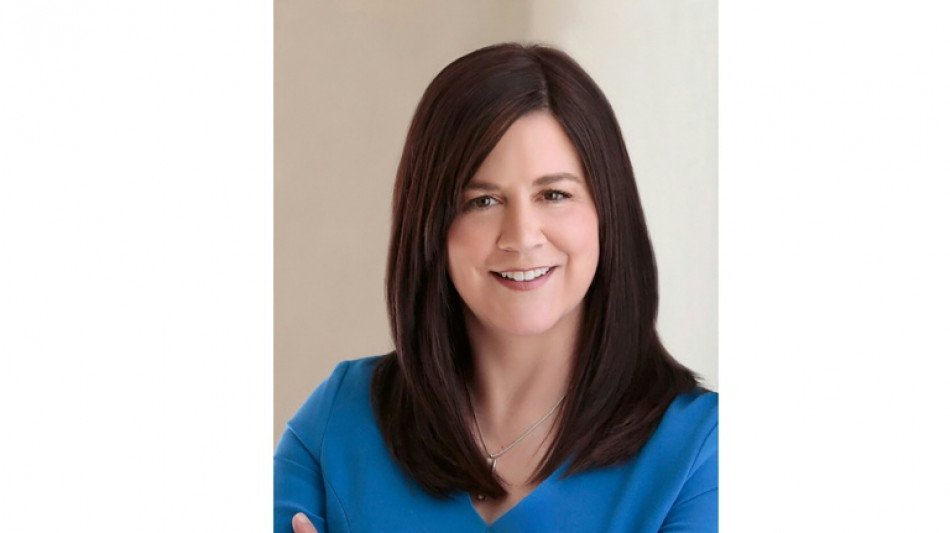
Canada nominates O'Bonsawin as first Indigenous Supreme Court judge / Photo: Handout - UNIVERSITY OF OTTAWA/AFP

 Zach Hickerson Recounts Hayden Panettiere's Final Moments in New Interview

 Luxembourg Housing Petition Passes Threshold for Parliamentary Consideration

 Raheem Sterling Receives Suspended Sentence After Lamborghini Crash

 Audience to Choose the Set List at Luxembourg's First FAMIL Jukebox Night

 Luxembourg Pay Rise Delayed as Regional and World Headlines Develop

 Chennai Urbanist Sashna Develops 'Anniki' Card Game to Gamify Tamil Nadu History

 Transport Minister Defends Land Seizure Powers for Toronto-Quebec City High-Speed Rail

 UAE Weather Forecast: Scattered Showers and Fog Expected as Temperatures Drop
Canada on Friday nominated Michelle O'Bonsawin as the first Indigenous person to serve on its Supreme Court, a historic first for a country seeking to make amends for abuses against native peoples.
Prime Minister Justin Trudeau said O'Bonsawin, a member of the Odanak First Nation, would bring "invaluable knowledge and contributions" to the court.
"Her nomination is the result of an open, non-partisan selection process," Trudeau added.
O'Bonsawin has sat on the Ontario Superior Court of Justice since 2017 and has specialized in mental health issues and human rights.
"As a First Nations woman growing up in Northern Ontario, I became aware of the need for dedicated individuals to provide a strong, representative voice on behalf of those who could not speak for themselves," the judge wrote in a questionnaire as part of her candidacy for the job. It was released by the government.
She will take up her new position after a non-binding vote later this month in Parliament.
O'Bonsawin's nomination is the second in a row to make history at the Supreme Court. Last year Mahmud Jamal became the first person of color to take up a seat on the tribunal.
Canada in recent years has been trying to come to grips with a dark chapter of its past: the abuse and death of Indigenous children sent to Catholic-run boarding schools over a span of decades.
From the late 1800s to the 1990s, Canada's government sent about 150,000 children into 139 such schools.
Indigenous children were separated from their families, language and culture in a bid to stamp out their identity.
Many were physically and sexually abused at the schools, and thousands are believed to have died of disease, malnutrition or neglect.
During a visit last month Pope Francis met with survivors of the residential school system and apologized for the abuses, which he said amounted to genocide.
M.Robinson--AT


