
Top 6 Benefits of Renting FRC Construction Uniforms

 As Canada takes on US tariffs, what's behind the David and Goliath fight?

 UEFA 'likely' to drop threat to boycott FIFA tournaments: source

 US disrupts platforms allegedly used by Chinese hackers

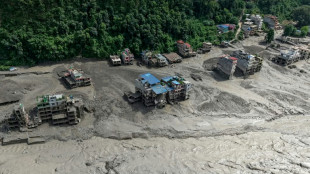 The foreign tourists missing in Nepal's flash floods

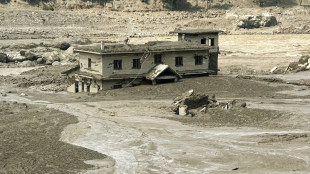 Hundreds missing after Nepal-Tibet flood kills 98

 CIA director was on 'semi-routine' mission in Moscow: Trump
 Aldeguer switches to Rossi's VR46 for next season

 Rent TRON Energy and Reduce USDT Fees : TronBid Expands Marketplace

 Pakistan captain Babar Azam returns against England '90 percent fit'

 Stocks mixed as oil drops, inflation stays high

 Improving standards transform pole vault as spectacle, says Duplantis

 India close in on win despite Sri Lanka fightback in second Test
 MEXC TradFi Gala Concludes With Over 170,000 Registrations and $4.3 Billion in Daily Trading Volume

 Olympic skating champion Liu to skip new season

 Benfica sign midfielder Palhinha from Bayern

 Flick says Barca may go without striker as Atletico resist Alvarez sale

 Too hot to incubate: Nile crocodiles hatch on their own in French reserve

 Spurs closing in on Man City's Marmoush after signing Savio

 Celtic count the cost of Champions League flop

 Lebanon accuses Israel of burning forest, farmland in south
 Nepal floods at China border kill 8, cause 'major casualties' in Tibet

 France eases cow diets as cheesemakers sweat

 America unites in mourning for Dolly Parton
 Meta and US states discuss settlement in landmark social media trial: report

 Fire haze threatens health of millions in Indonesia, ministry warns

NEW YORK, NY / ACCESS Newswire / March 23, 2026 / In construction environments, uniform needs go far beyond basic work clothes. From open flames and sparks to electrical hazards and heavy machinery, workers may encounter hazardous conditions that can put them at risk on a daily basis. In many cases, flame-resistant (FR) clothing isn't just a best practice - it may be required by OSHA and other regulatory agencies in the U.S. and Canada, depending on the specific hazards present. That's why flame-resistant (FR) workwear plays a critical role in construction uniform programs to help protect teams and support safe, productive worksites. Below are six compelling reasons why flame-resistant clothing (FRC) isn't optional - it's essential.
1. FR clothing protects workers from thermal hazards
Construction sites often include tasks that expose workers to heat, sparks, or flame risks. Traditional fabrics can easily ignite and continue to burn, creating severe burn hazards. FR clothing, by contrast, is engineered to resist ignition and to self-extinguish once a heat source is removed. This built-in protection helps reduce the severity of injuries when workers face flash fires, sparks from welding, hot metal splashes, or other exposures. By limiting flame spread and heat transfer, FR clothing provides a critical layer of defense for workers in heat-related risk zones.
2. FR clothing promotes compliance with safety standards
Many construction projects must meet regulatory and industry safety standards for personal protective equipment. Ensuring that workers wear appropriate FR clothing helps align uniform practices with established workplace safety guidelines. This compliance not only reinforces safe habits but also supports employer obligations to protect employees in hazardous environments. Enabling team members to consistently use FR workwear as part of a structured construction uniform service can make a noticeable difference in organizational safety performance. (Osha just made a recommendation for providing electrical workers with FR clothing)
3. FR clothing can reduce downtime after incidents
(worker safety should be the priority here, it sounds like protecting the biz is more important, need to have a delicate balance here) When workers suffer burn injuries or close calls, production often slows while the team assesses safety, investigates the event, and manages recovery. FR clothing helps lower the likelihood and severity of these incidents, which in turn can limit the team's downtime and help maintain project momentum. Fewer serious injuries mean less disruption to schedules, fewer lost workdays, and a sharper focus on getting tasks done efficiently.
4. FR clothing enhances worker confidence and comfort
Employees are more likely to stay attentive and perform their best when they have confidence in their protections. FR clothing that's well-fitted and designed for mobility promotes this security without compromising comfort or range of motion. Workers who feel safe and comfortable can concentrate on their jobs, improving productivity and job satisfaction. A construction uniform service that delivers consistently well-designed FR garments helps build that confidence and focus in a company's workforce.
5. FR fabrics are more durable and last longer than ordinary workwear
Construction work is hard on clothing. High-abrasion surfaces, rugged weather, and daily wear and tear can quickly degrade normal uniforms. FR fabrics are typically engineered to withstand these conditions while maintaining their protective qualities. In many cases, the flame-resistant properties are inherent to the material rather than resulting from chemical treatments, so they don't wash out over time. This durability keeps uniforms performing up to standard throughout their service life and helps managers avoid frequent replacements.
6. FR clothing helps businesses manage risk and liability
Beyond its vital job of protecting individual employees, FR clothing helps employers manage organizational risk. Serious burn injuries can result in costly medical claims, litigation, and regulatory scrutiny. By prioritizing flame resistance in uniform programs, companies demonstrate a proactive stance on hazard mitigation. That can ease concerns from stakeholders, support contractual safety requirements, and strengthen overall risk management efforts. It's also the right thing to do for your workers who are in potentially hazardous work enviornments.
Make FR clothing standard practice
In construction uniform service programs, flame-resistant clothing is more than just a line item to check off - it's a practical investment in safety, compliance, and workforce stability. When workwear protects employees against thermal hazards, supports industry standards, and contributes to comfort and morale, it becomes a foundation of operational excellence. For construction teams facing dynamic risks every day, FR clothing isn't optional - it's a necessity.
CONTACT:
Sonakshi Murze
Manager
[email protected]
SOURCE: UniFirst
View the original press release on ACCESS Newswire
A.Anderson--AT