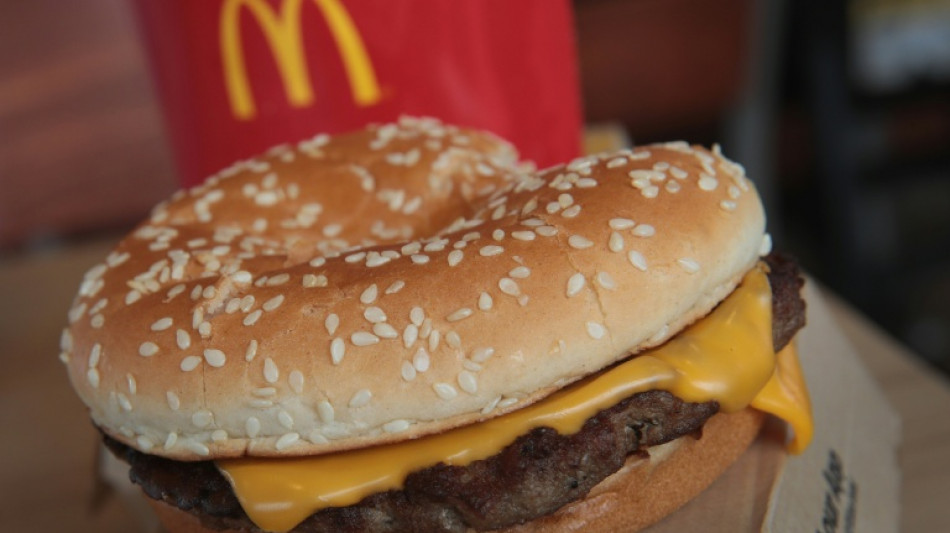
UK starts ban on junk food ads on daytime TV and online / Photo: SCOTT OLSON - GETTY IMAGES NORTH AMERICA/AFP

 All-round Tongue stars for England in second Test against Pakistan

 UEFA's legal move 'massive escalation' in bitter Infantino feud

 MEXC Launches Earn Plus With Limited-Time Event Offering Up to 800% APR Booster

 Norway's new King Haakon VIII, popular face of shaken monarchy

 Stocks rise ahead of Fed chair's policy speech

 Norway's new King Haakon VII, popular face of shaken monarchy

 Last-wicket duo take England to 290 all out in 2nd Test against Pakistan
 MPSC Drug Inspector Exam Leak: Rutuja Patil Allegedly Paid Rs 50 Lakh for Leaked Paper

 Japan spent record $96 bn in yen interventions: ministry

 Nepal-China floods disaster: Latest developments

 Duplantis needs A-game to fend off Karalis pressure

 Architect Minenhle Makhanya Ordered to Repay R147 Million for Nkandla Upgrades

 Iran says still open to diplomacy as war with US hits six months

 20,000 Salmon Return to Klamath River Following Dam Removal, Yet Recovery Faces Ongoing Challenges

 King Harald, 'symbol' of Norway, dead at 89

 Norway's new King Haakon, popular face of shaken monarchy

 Most stocks rise as attention turns to Warsh speech

 Japanese rugby U-turns on limits on naturalised players

 Norway's King Harald dead at 89

 Climate change hits trout and salmon in UK's prized chalk streams

 Škoda Octavia Marks 30 Years With Nearly 7.9 Million Units Produced

 Nepal seeking to reach survivors in tunnel as risk of new floods rises

 Anger in Austria over business park on former Nazi camp site

 In shadow of Premier League, Serie A flexes financial muscle

 Tanker pays record $5.3 mn to transit Panama Canal: administrator

New regulations come into force Monday in Britain banning daytime TV and online adverts for so-called junk foods, in what the government calls a "world-leading action" to tackle childhood obesity.
The ban -- targeting ads for products high in fat, salt or sugar -- is expected to remove up to 7.2 billion calories from children's diets each year, according to the health ministry.
Impacting ads airing before the 9:00pm watershed and anytime online, it will reduce the number of children living with obesity by 20,000 and deliver around £2 billion ($2.7 bln) in health benefits, the ministry added.
The implementation of the measure -- first announced in December 2024 -- follows other recent steps, including an extended sugar tax on pre-packaged items like milkshakes, ready-to-go coffees and sweetened yoghurt drinks.
Local authorities have also been given the power to stop fast food shops setting up outside schools.
The government argues evidence shows advertising influences what and when children eat, shaping preferences from a young age and increasing the risk of obesity and related illnesses.
It notes 22 percent of children starting primary schooling in England -- typically aged around five -- are overweight or obese, rising to more than a third by the time they progress to secondary schools aged 11.
Tooth decay is the leading cause of UK hospital admissions for young children, typically aged five to nine, according to officials.
"By restricting adverts for junk food before 9pm and banning paid adverts online, we can remove excessive exposure to unhealthy foods," health minister Ashley Dalton said in a statement.
He added the move was part of a strategy to make the state-funded National Health Service (NHS) focus on preventing as well as treating sickness, "so people can lead healthier lives".
Katharine Jenner, executive director of the Obesity Health Alliance, said it was "a welcome and long-awaited step towards better protecting children from unhealthy food and drink advertising that can harm their health and wellbeing".
The charity Diabetes UK also welcomed the ads ban, with its chief executive, Colette Marshall, noting that type 2 diabetes is on the rise in young people.
"Obesity is a major risk factor for type 2 diabetes, and the condition can lead to more severe consequences in young people -- leaving them at risk of serious complications like kidney failure and heart disease," she added.
N.Mitchell--AT