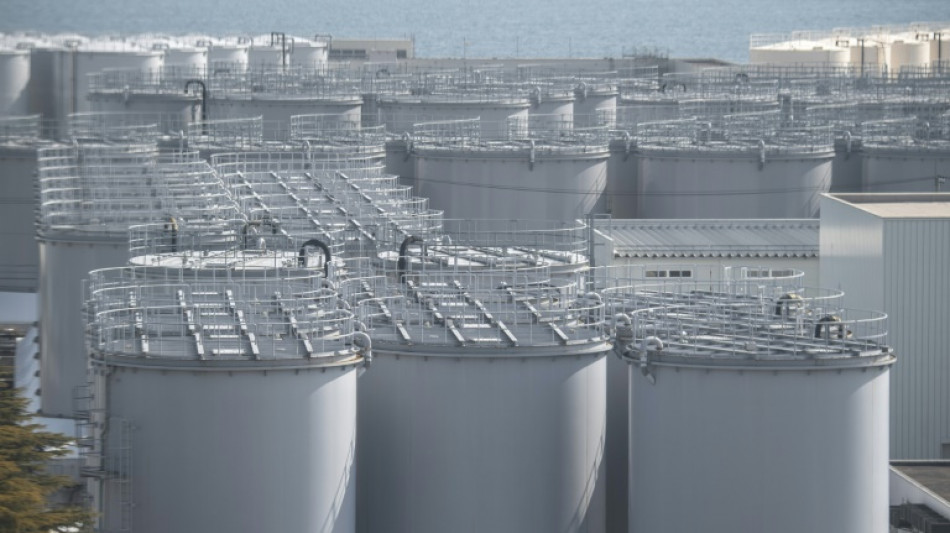
Japan regulator OKs release of treated Fukushima water / Photo: Charly TRIBALLEAU - AFP/File

 DNA tests and funerals in Nepal, a week after deadly floods

 Iran threatens tougher strategy after US strikes kill 4 at wedding

 Chevron unveils deal to double Venezuela venture output in 5 years

 Uganda names its oil 'Pearl Sweet' as it prepares for first exports

 Tiger Woods driver's license suspended for five years after crash

 Germany probes latest sabotage attacks on power grid
 Wall Street stocks mixed as energy prices, bond yields turn lower

 Tiger Woods pleads guilty to reckless driving, license suspended

 Missing passengers likely went down with sunken ferry: N.Cyprus official

 Premier League clubs splash cash to smash transfer record

 Melting glaciers an 'immediate' climate risk: author of UN report

 Folarin Balogun's move to Everton collapses

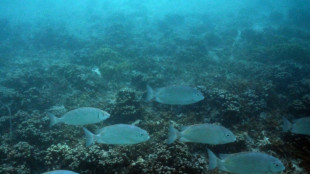 Pacific islands to face food shortages over global warming: scientists

 Venice jury head Maggie Gyllenhaal questions lack of women directors
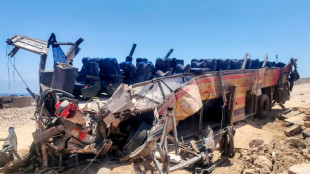
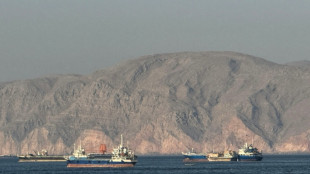 Stocks drop, bond yields rally on Mideast flare-up
 China expands Egypt investments in first Xi visit in a decade

 Messi departure leaves Argentina facing rebuild after golden era
 Ourbit SuperCEX Launches "Cosmic Wheel Season 3. Oracle Realm" on September 2 with 3M USDT Prize Pool

 Ebola death toll passes 3,000 in DR Congo: official data
 Hong Kong democracy activist Wong pleads guilty to foreign collusion
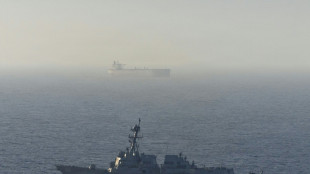
 World record prize winner Romantic Warrior retires from horse racing
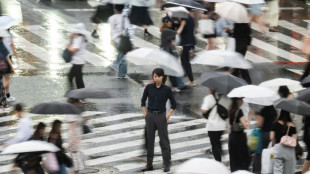
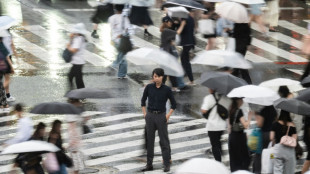
 5,000 US sailors arrive in Thailand after months at sea

 Joshua Wong, Hong Kong's pro-democracy poster child
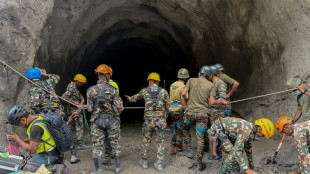 Nepal tunnel rescuers seek trapped workers but hit dead ends
 Zverev wins wild five-setter, Rybakina and Gauff ease through at US Open

Japan's nuclear regulator on Friday formally approved a plan to release more than a million tonnes of treated water from the crippled Fukushima nuclear power plant into the ocean.
The plan has already been adopted by the government and endorsed by the International Atomic Energy Agency (IAEA), but plant operator TEPCO must still win over local communities before going ahead.
The country's Nuclear Regulation Authority approved TEPCO's plan, according to a foreign ministry statement, which said the government would ensure the safety of the treated water as well as the "reliability and transparency of its handling".
Cooling systems at the plant were overwhelmed by a tsunami triggered by a massive undersea quake on March 11, 2011, causing the worst nuclear accident since Chernobyl.
Decommissioning work is under way and expected to take around four decades, with painstaking efforts to remove molten fuel from damaged reactors among the tasks ahead.
Each day, the site produces 140 cubic metres of contaminated water -- a combination of groundwater, seawater and rainwater that seeps into the area, and water used for cooling.
The water is filtered to remove various radionuclides and moved to storage tanks, with 1.29 million tonnes on site already and space expected to run out in around a year.
TEPCO says the treated water meets national standards for radionuclide levels, except for one element, tritium, which experts say is only harmful to humans in large doses.
It plans to dilute the water to reduce tritium levels and release it offshore over several decades via a kilometre-long underwater pipe.
The IAEA says the release, which will take place over many years and is not expected to begin before spring 2023, meets international standards and "will not cause any harm to the environment".
But local fishing communities that suffered in the wake of the nuclear accident fear consumers will once again shun their products if the water is released in the area.
There has also been criticism from regional neighbours including South Korea and China, as well as groups like Greenpeace.
The 2011 disaster in northeast Japan left around 18,500 people dead or missing, with most killed by the tsunami.
Around 12 percent of the Fukushima region was once declared unsafe, but no-go zones now cover around two percent, although populations in many towns remain far lower than before.
M.Robinson--AT