Bolivia says US drug agency to return to aid cocaine battle / Photo: Aizar RALDES - AFP

 Iceland votes on whether to resume EU membership talks
 Rescuers claw through mud as Nepal, China flood missing toll nears 3,000

 CGBio’s Novosis Achieves Bone Union in All Seven Patients in Scaphoid Nonunion Study
 Kinshasa urban train back on track after years to beat gridlock

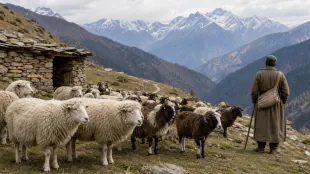 Merino crossbreeding plan tests Himachal Pradesh wool ambitions
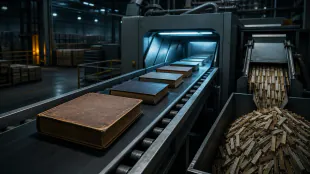
 Pringles launches thicker Dippers range for US snack market

 US and Venezuela announce 65-billion-barrel oil development agreement

 Assistance-dog dispute puts Great Bernera community groups under financial strain
 Sello Hatang remembers actor Sol Rachilo through a personal archive
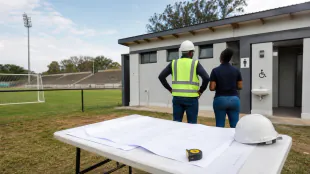
 UN committee calls on South Africa to dismantle racist vigilante groups

 South African creators seek stronger businesses beyond brand partnerships
 Syria warns Israeli actions could push region toward wider war

 East Midlands Railway warns of bank holiday disruption at St Pancras

 Six treated after sign falls at Big Church Festival in West Sussex
 Norway, in mourning, enters a new era under Haakon VIII

 Number of missing in Nepal, China floods soars to nearly 3,000

 Number of missing in Nepal, China floods soars past 2,400
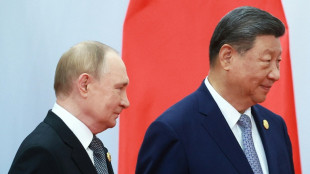
 Trump announces deal for huge US stake in Venezuelan oil reserves

 Hovland and Gerard share lead at Tour Championship

 Maresca salutes 'unbelievable' Cherki after Man City star sinks Palace
 Marquinhos rescues last-gasp draw for PSG at Lille in Ligue 1

 ICE detains British far-right activist Milo Yiannopoulos in Louisiana

 Milo Yiannopoulos held by ICE after missing immigration hearing

 Six Flags closes X2 rollercoaster after reports of severe brain injuries

 Jury ends second day without verdict in Lindsay Clancy murder trial

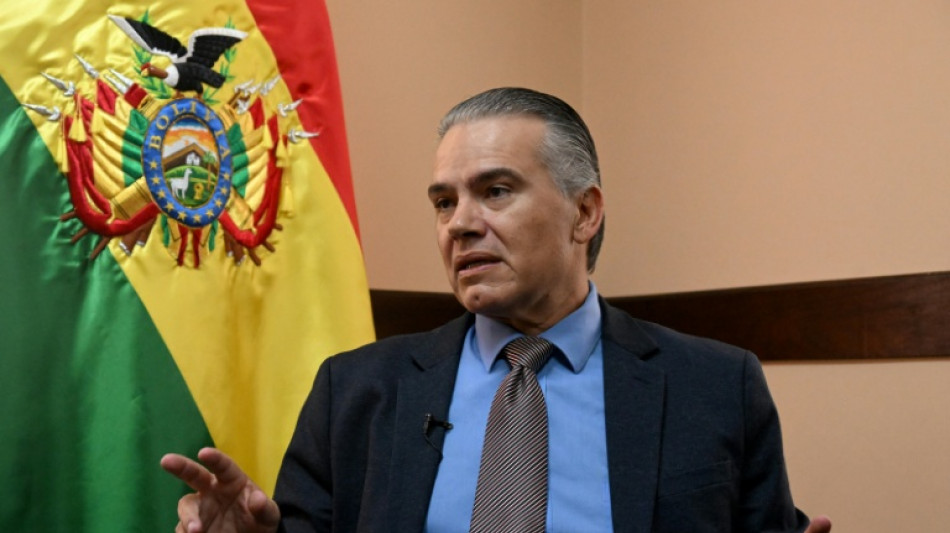
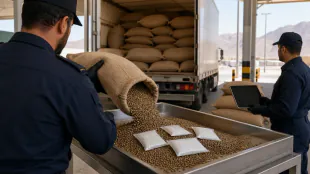
Bolivia's brand-new narcotics czar, Ernesto Justiniano, told AFP Friday the US Drug Enforcement Administration, expelled in 2008, will be returning to bolster the South American country's anti-cocaine campaigns.
Justiniano is part of the new administration of President Rodrigo Paz, a pro-business conservative who took office on November 8 after two decades of leftist rule.
Paz, 58, is aiming for a sharp political, economic, social and diplomatic shift away from the policies of leftist leaders blamed by many for Bolivia's economic collapse, with dollars in short supply and annual inflation over 20 percent.
In an interview with AFP Friday, Justiniano said "there is a political commitment" for the DEA to return to Bolivia, where he said cocaine production has spiraled out of control.
"International cooperation is fundamental," he added. "We will no longer be an isolated country, a country that is self-absorbed and acts solely out of political necessity."
The new government has set for itself the tasks of eradicating coca leaves -- the raw material for cocaine production -- and going after drug cartels.
According to United Nations data, Bolivia is the world's third-largest producer of coca and cocaine, after Colombia and Peru.
Ties with the United States were severed under former socialist leader Evo Morales, in office from 2006 to 2019.
Bolivia took a sharp turn to the left under Morales, nationalizing energy resources and making alliances with China, Russia and fellow leftists in Cuba, Venezuela and elsewhere in Latin America.
In 2008, Morales expelled the US ambassador and DEA officials, accusing them of interference in Bolivia's affairs. USAID officials followed in 2013.
Washington expelled Bolivia's ambassador in retaliation, and the envoys were never replaced.
Paz, an economist-turned-senator, vowed the day after his election victory to renew ties with Washington.
- No money for eradication -
Justiniano -- whose official title is deputy minister of social defense and controlled substances -- said Bolivia's cocaine production levels were alarming, with estimated annual production of about 300 tons.
The UN says Bolivia has 31,000 hectares of coca crops. Of these, about 22,000 hectares are legal -- grown to be chewed as a stimulant, brewed into a tea thought to combat altitude sickness or used in religious rituals.
Justiniano, 56, said modern processes had reduced the amount of coca required to make one kilogram (2.2 pounds) of cocaine by about half.
"With one hectare of illegal coca, I can produce more than double the cocaine than twenty years ago," he told AFP.
He added that Bolivia's ability to address the problem was limited, with helicopters and planes grounded due to a lack of money for insurance or spare parts.
"All incursions... are conducted by land," he stated.
"And once on site, they must travel on foot, even lacking fuel for vehicles."
Bolivia's economy is in recession, according to the World Bank.
W.Morales--AT