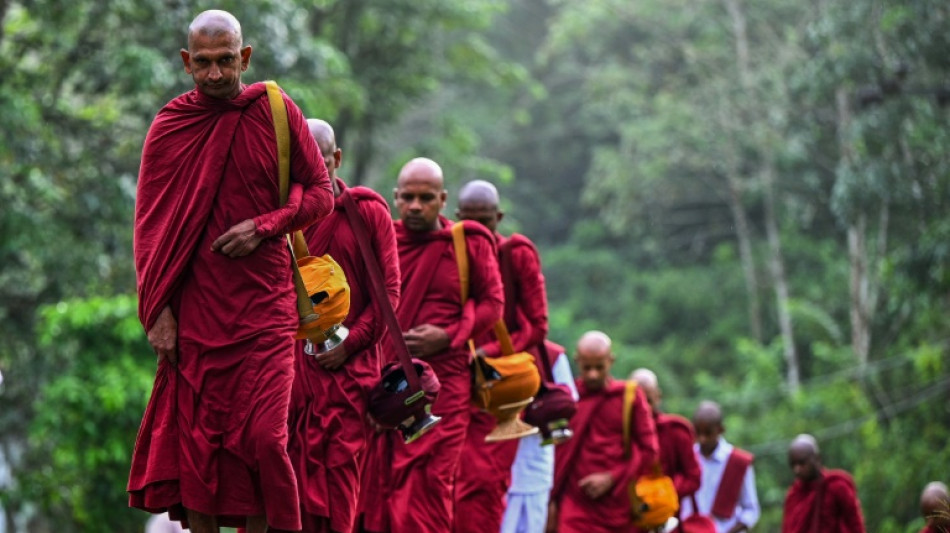
Cheap alms bowls imports hit Sri Lanka makers, monks / Photo: Ishara S. KODIKARA - AFP

 Germany defender Rudiger announces international retirement

 Musk defends AI data centers, slams EU rules at G20

 Activists blame Kenya for Ugandan opposition figure's plight
 Iran president offers US olive branch, hails Russian support

 TrustFinance Community Choice Awards 2026 Opens Global Voting

 Nepal disaster a climate 'warning signal': foreign minister

 France winger Diaby returns to Leverkusen until 2031

 Barcelona confirm Jesus arrival from Arsenal

 EU official says it's not time to 'normalize' Russia at G20 finance talks

 RedHill Announces Transformational Acquisition of Commercialization Rights to Ferring’s Rebyota® and Clenpiq®
 TrendEadvisor Launches Global Multi-Asset Platform Combining Online Investing with Social Trading

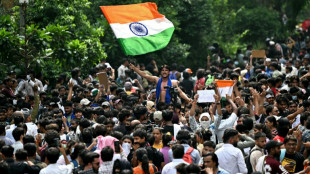 India's top court drops criminal cases against protesters

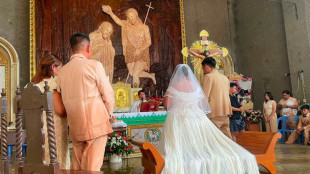 Philippine couple married in hip-deep floodwaters

 Villa sign Senegal winger Mbaye from PSG

 Former Peru minister last-minute contender for UN labour agency helm

 Messi legacy will 'live forever', says Beckham

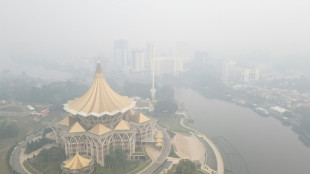 'Literally tasting the smoke': Malaysians suffer as haze worsens

 Kyiv's defences, 'hybrid' threat from Moscow headline EU talks
 Oil extends gains, stocks mostly down as Trump issues fresh Iran warning

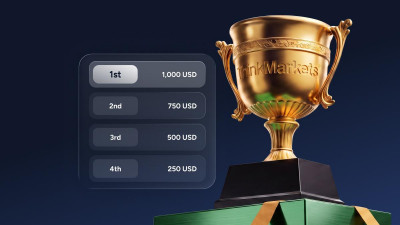 ThinkMarkets Expands Weekend Trading Offering, Launches Weekend League Competition

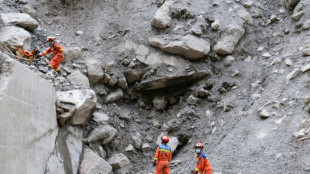 Tibet activists accuse China of downplaying floods
 Afghanistan war victims left 'without justice', UN says

 Iran president offers US olive branch before Putin meeting

 China-Nepal flood toll tops 1,000 as tunnel rescue offers last hope
 Japan to relax overtime regulation under workaholic PM

The alms bowl is a symbol of monks, yet in Sri Lanka artisans are struggling as cheap substitutes flood the market, igniting a debate over Buddhist tradition and quality.
The village of Panvila has long been associated with craftsmen who produce the humble "paathra", the special bowl that forms part of the eight essentials donated to monks and which is used to ask for food.
Thenuwara Badalge Sarath, 65, says he is the only blacksmith left in a village that once supplied much of the country.
"When I learnt the craft from my father, there were more than 10 families in the neighbourhood who made these bowls," Sarath told AFP, while hammering a piece of scrap metal into a holy utensil.
"Today, I am the only one keeping up the tradition. My son died recently in a road accident, and there is no one to carry on this line of work after I am gone," said the fourth-generation craftsman.
He spends about a week producing a batch of five to six bowls from discarded steel barrels. He sells each for 600 rupees ($2), but competition from cheap imports is tough.
"There are aluminium bowls that come from abroad. They are cheaper and lighter -- we can't compete," Sarath said at his village smithy, near the southern tourist resort of Hikkaduwa.
- Karma drives demand -
The Buddhist-majority nation of some 22 million people has just over 42,000 monks, but the demand for bowls is disproportionately high because of the positive karma attached to offering them to temples.
Kirinde Assagi, a leading Buddhist monk, said the alms bowl forms part of the eight items for a monk to lead an ascetic life and spread the teachings of Buddha, along with two robes, a razor, a straining cloth, a needle and thread, and a belt.
"The bowl is his livelihood. When a monk goes out begging with his bowl, he gets sustenance", Assagi said.
"Because gifting 'ata pirikara' to monks brings enormous good karma, devotees clamour to donate this," said the monk, in reference to the eight-item package.
At his Gangaramaya temple in the capital Colombo there were nine such packages donated within an hour one weekend.
- 'Mountain' of discarded pots -
Assagi says most of the bowls however are of poor quality, made out of aluminium and unfit to serve food in.
In a storeroom at the back of his temple, there is a huge pile of bowls that monks say are not suitable even for offering food to household pets.
"I will show you a mountain of begging bowls that we have discarded. We make holes at the bottom and repurpose them for potted plants."
Monks in Thailand, Myanmar, and Laos traditionally seek alms every morning, underscoring their simple life and demonstrating that their livelihood depends on others.
But the influx of cheap bowls is impacting the dawn ritual.
"We see the practice of monks begging slowly dying off as the quality of the bowls goes down," he said.
The Gangaramaya temple in Colombo has campaigned to improve the quality of utensils offered to monks and revive the ritual of seeking alms.
Assagi said the Thai royal family has in recent years gifted more than 27,000 high qualitiy stainless steel bowls to Sri Lankan monks, most of whom are followers of the Siam sect of Buddhism practised in that nation.
Unlike the financially well-off Gangaramaya, smaller temples are known to sell their excess bowls back to the market in a move that undermines traditional craftsmen such as Sarath.
"When the bowls go back to the shop from a temple, we find it difficult to sell our produce," Sarath said.
He is trying to convince devotees that there is less merit in offering bowls that are being regifted.
M.Robinson--AT