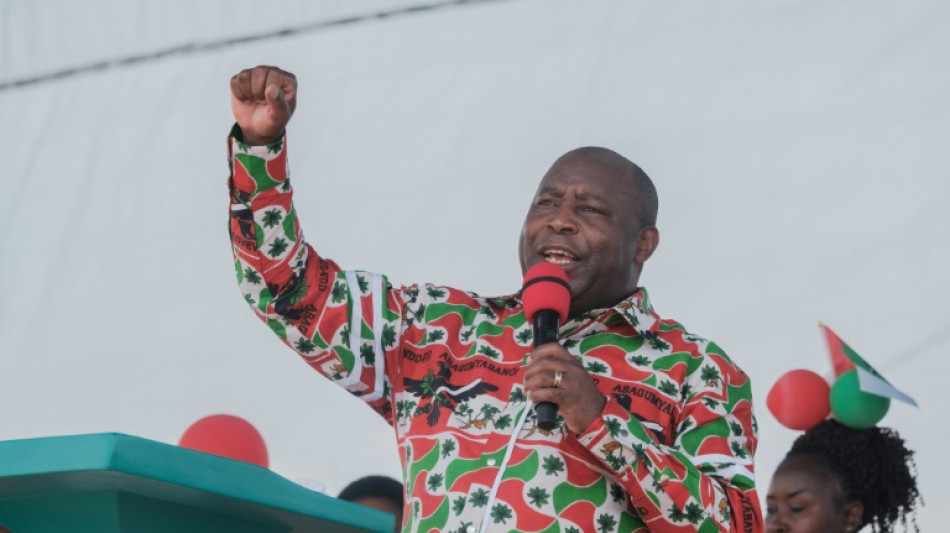
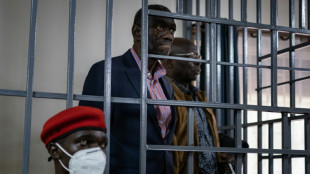
Burundi votes but with opposition neutered / Photo: Tchandrou NITANGA - AFP

 Syria site infrastructure 'consistent with nuclear reactor': IAEA
 Juventus sign Woltemade, Sarr on loan from Premier League
 US strikes Iran in latest tit-for-tat attacks
 China's Xi arrives in Egypt as US sanctions threat looms over Iran links
 Car bomb at Colombian police station kills one, injures 11
 Rain delays start of play on US Open
 Man City agree blockbuster deal to sign Chelsea star Fernandez: reports
 Alkemya Metacore Secures $50M via Tokenised Equity to Scale Nickel Energy and Security Tech

 Man City chase Fernandez, Arsenal sell Jesus on deadline day
 EU says Russian 'hybrid attacks' won't halt aid to Ukraine
 Explosives used in sabotage attack on German power lines
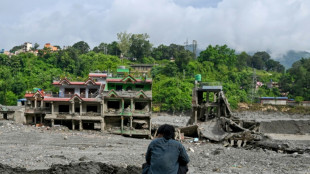
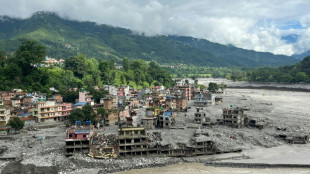 Nepali families hold symbolic funerals for missing after floods
 Newcastle sign Lille forward Fernandez-Pardo

 Even at Elysee, phones are handed in, Macron tells French pupils
 Chelsea agree to sign Atalanta's Ahanor, with Palace loan for this season

 Chelsea sign Atalanta's Ahanor and loan him to Palace

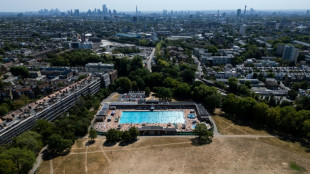 UK chalks up hottest summer on record for second year running
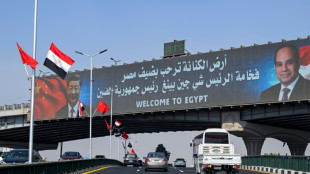 China's Xi visits Egypt as US sanctions threat looms over Iran links

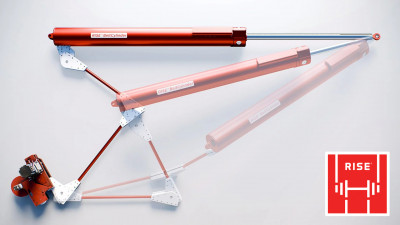 RISE Robotics Awarded $100,000 MassVentures Grant to Accelerate Commercialization of Beltdraulic Technology

 Global bond sell-off deepens on inflation concerns
 Germany's far-right AfD promises 'boom' but economists fear worst
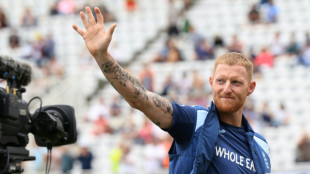 Former England captain Stokes signs for Adelaide Strikers

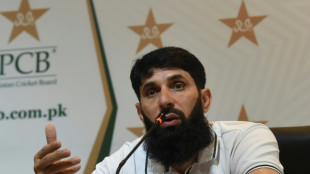 Pakistan selector and ex-captain Misbah resigns after coach sacked

 Shein flattens on Hong Kong debut facing global headwinds

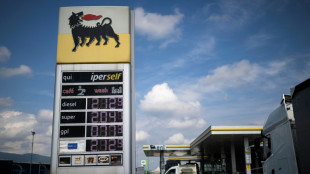 Eurozone inflation hits three-year high at 3.3% in August
Burundi votes for a new parliament on Thursday but with little risk of an upset after the main opposition was effectively barred from running.
The impoverished, landlocked country in east Africa has seen decades of ethnic violence, civil war and authoritarian rule.
The ruling CNDD-FDD party of President Evariste Ndayishimiye is accused of undermining its main opponent, the National Freedom Council (CNL), which came second at the last election in 2020 and claimed it was cheated.
In 2023, the interior ministry suspended the CNL over "irregularities" in the way it organised its meetings.
Then last year, the CNL ousted its leader, former militia commander-turned-politician Agathon Rwasa, while he was abroad.
He was replaced by someone considered close to the ruling party, Nestor Girukwishaka, a former minister and senior executive at a state-owned company -- in what critics described as a government-orchestrated coup.
The government then passed new rules that effectively barred Rwasa and his allies from joining other opposition parties or standing as independents.
A Burundian analyst, who requested anonymity for fear of reprisals, said the ruling party was taking no chances because the elections were taking place amid "a very deep socio-economic crisis".
The analyst said the country was facing "all sorts of shortages, galloping inflation of more than 40 percent per month and growing popular discontent".
- 'Very difficult for us' -
President Ndayishimiye took over following the death of his predecessor, Pierre Nkurunziza, who had isolated the country with his brutal and chaotic rule since 2005.
While Ndayishimiye has been seen as relatively less authoritarian, Burundi's human rights record remains poor, with journalists, activists and opposition figures all facing severe repression.
One of the candidates for Thursday's election, Patrick Nkurunziza -- no relation to the previous president -- of the opposition coalition Burundi for All, told AFP the campaign had been "very difficult for us".
He said his members faced "threats, harassment and sometimes even attacks" from a government-aligned youth league known as the Imbonerakure.
A group of media executives last month accused the Imbonerakure of arresting and torturing a journalist while he tried to work at the University of Burundi in the capital Bujumbura.
A fuel shortage that has largely paralysed the country for nearly three years also made it difficult for opposition candidates to operate, said Nkurunziza.
"In the absence of Agathon Rwasa's CNL, the CNDD-FDD is sure to win," said the analyst.
Most of the other candidates are "token candidates, who are there just to show that democracy is still happening in Burundi", they added.
Burundi experienced decades of ethnic violence and civil war up to 2005.
Under a peace agreement signed in 2000, seats in the parliament are split 60-40 between the two ethnic groups, Hutu and Tutsi.
Burundi remains one of the world's poorest countries with almost two-thirds living below the World Bank's poverty line of $2.15 per day.
R.Chavez--AT