Sport begins at Beijing Olympics under shadow of Covid, rights fears

 American Nobel laureate in medicine hopes to illuminate the brain
 Trump approves firing squad for convicted US military base shooter
 Grappling with 'homework scams,' US universities shun AI detectors
 Separatists win Quebec election in test for Canada PM
 Leaders visit Pacific atoll at frontline of climate change
 Yemen's Houthis claim striking Riyadh airport, other Saudi sites
 Best-selling British author Jeffrey Archer dies aged 86
 Military plane crash kills 32 in Nigeria

 Olise powers France to win over Belgium in Nations League
 High-flying Blazy turns to birdlife at Chanel
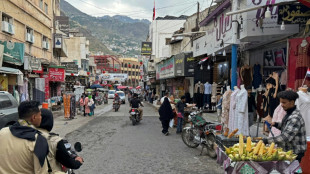 Riyadh's allies pledge troops as Yemen, Saudi Arabia attack Houthis
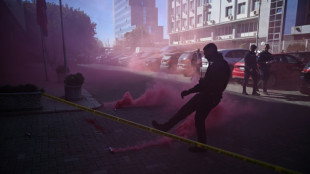 Clashes erupt outside Kosovo parliament over war crimes court
 Milan's Saelemaekers suffers ankle setback, faces lengthy spell out
 Rubio arrives in Iceland to push for greater US presence in Arctic
 Putin allows Italy's UniCredit to sell part of Russian business
 Djokovic into China Open final as Medvedev out for hitting fan with ball

 ICC unseals arrest warrants for Taliban education ministers
 Modric hopes fans back Croatia against Spain after England shame
 Bolsonaro rides right-wing surge into Brazil's election runoff
 Turkey blocks X account of British reporter
 Ukraine says using AI robot guns to shoot down new Russian drones
 At Oct 7 memorial, Netanyahu says will be no Hamas rule in Gaza
 Ukraine blames Russia for deadly sinking of Turkish ship in Black Sea
 UN rights council slams Taliban's 'oppression' of women
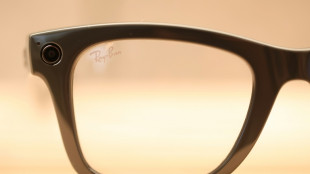 Norway eyes partial ban of smart glasses
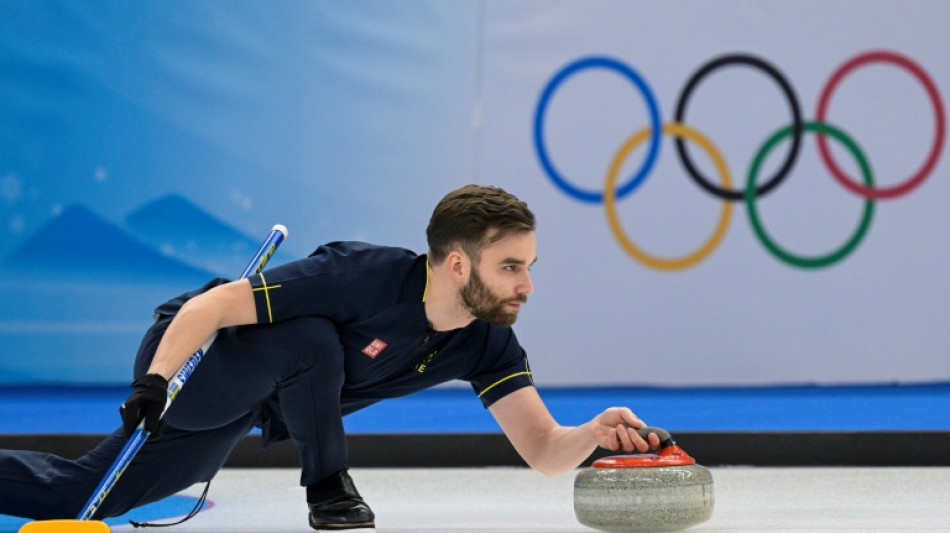
Curling started the sport at the Beijing Winter Olympics on Wednesday in front of a smattering of spectators as China tried to move on from the diplomatic boycotts and Covid fears that have dogged the lead-up to the Games.
The Olympics do not officially launch until Friday's opening ceremony but the action began with mixed doubles curling at the "Ice Cube" -- known as the "Water Cube" when the Chinese capital hosted the 2008 Summer Games -- in front of a limited number of masked fans occupying every other seat.
The build-up to these Olympics, which will unfold within a huge Covid-secure "bubble", has been overshadowed by controversies ranging from rights concerns to Peng Shuai and warnings about snooping on competitors by the Chinese government.
Adopting the catchphrase "Together for a shared future", China, its ruling Communist Party and the International Olympic Committee hope all the rancour will be forgotten once the Games get into full swing.
China has barred overseas fans because of the pandemic but some spectators will be invited to attend and organisers say venues could be up to 50 percent full.
Arenas were mostly empty at last summer's pandemic-delayed Tokyo Games to stop the spread of infection.
When Beijing hosted the 2008 Games, the torch relay took in swathes of China and other countries -- where it met protests in places -- but this time it will last just three days, ending at the "Bird's Nest" stadium for the opening ceremony.
Beijing 2022 official Cai Qi said at the start of the relay Wednesday -- which will involve more than 1,000 torchbearers and included former NBA star Yao Ming -- that he hoped the Games would help "dispel the gloom of the pandemic".
If the 2008 Olympics were the country's coming-out party, these Games will take place in a China under President Xi Jinping which is increasingly belligerent on the global stage and boasting the world's second-largest economy.
When Washington said it would stage a diplomatic boycott because of rights concerns -- with Australia, Britain and Canada among those following suit -- China warned the United States would "pay the price".
The Biden administration will not send diplomatic or official representation over what it called China's "ongoing genocide and crimes against humanity" against Muslim Uyghurs in the region of Xinjiang.
Athletes of the boycotting countries will compete at the Games, which run until February 20, but a US rights monitor sounded the alarm over athletes' safety after the hosts threatened "punishment" for anti-Beijing comments.
- Surveillance -
There are other controversies. IOC president Thomas Bach says that while in Beijing he will meet Peng, a Grand Slam-winning tennis player who alleged in November that she had been sexually assaulted by a former vice-premier.
Peng was not heard from for nearly three weeks, only to reappear, but there are concerns about how free she really is.
Fearing surveillance, some Western nations have told their athletes to leave their personal devices at home and use temporary burner phones.
There are signs that China is tightening the noose on anyone daring to spoil the party, with human rights activists and some academics having their WeChat messaging app accounts restricted in recent weeks.
China, where Covid-19 emerged towards the end of 2019, has pursued a zero-Covid policy nationwide and is taking the same approach at the Olympics by cocooning participants inside a "closed loop".
The highly infectious Omicron variant presents a new challenge, both to the Games and the country, putting already jittery authorities further on edge. Cases in Beijing have been ticking upwards, albeit from a low base number.
Organisers say they expect cases in the bubble -- nearly 250 have already been recorded -- but their goal is to keep the spread to a minimum.
They hope the bubble will be impregnable, keeping the nearly 3,000 athletes together with thousands of support staff, volunteers and media cut off from the outside world.
- Face of the Games -
The Games will be held in three zones. In addition to downtown Beijing, the two other areas are outside the capital and will rely on artificial snow to cover what would otherwise be brown mountainsides. Environmentalists have voiced concern.
American ski ace Mikaela Shiffrin is chasing a third slalom gold, while Japan's Yuzuru Hanyu is looking to make it a hat-trick of figure-skating Olympic titles.
There will be huge interest in Chloe Kim, the American snowboarder who melted hearts when she won gold aged 17 at the Pyeongchang Olympics in 2018, while Eileen Gu could become the face of the Games.
The 18-year-old grade-A student, born and raised in California, switched from the United States to represent China and is hot favourite in freestyle skiing.
Y.Baker--AT