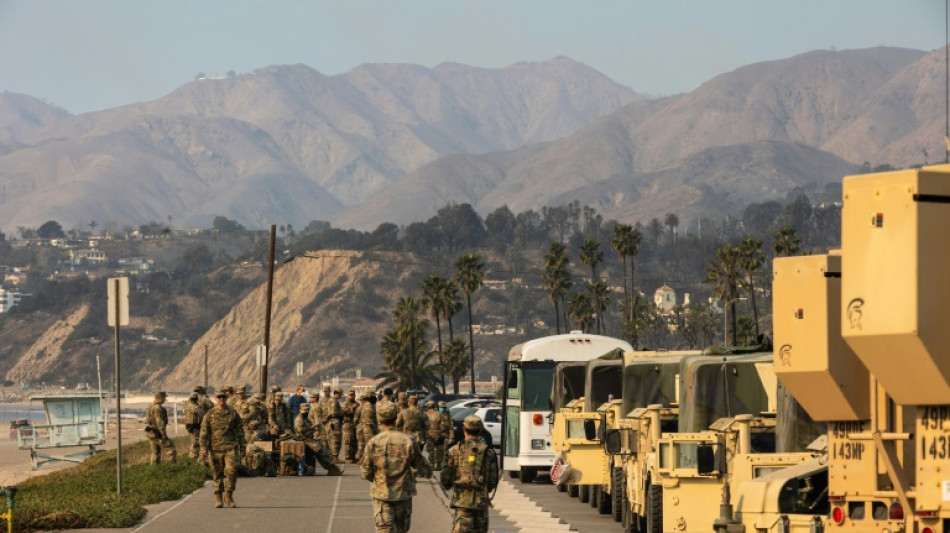
As LA burns, criticisms and questions about response arise / Photo: Zoë Meyers - AFP

 Inter and Roma roar back to win thrillers and share top spot

 Don't stop them now: fans party for Freddie Mercury's 80th birthday

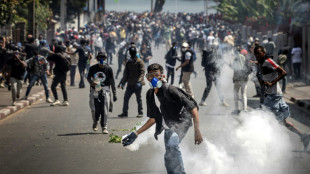 AFP photographer wins top prize for Madagascar protest coverage

 Keys: 'I felt like I couldn't play tennis'

 Simmonds stars as Pau upset Montpellier
 Inter roar back in five-goal thriller with Napoli

 Haaland keeps Man City perfect in Premier League, blunt Spurs held

 Hamilton worried by Ferrari pace while Antonelli prepares for a fight

 Vuelta stage 15 shortened due to extreme heat, Mas consolidates lead

 Putin meets US envoys for Ukraine war talks

 Modric available for Croatia in Nations League

 Potapova upsets 2025 US Open runner-up Anisimova

 Gasly a 'class act' says Alpine boss after Monza pole

 Athletic Bilbao crush Simeone's flat Atletico

 Stay far from battlefield, warns Japanese director in Vietnam War film

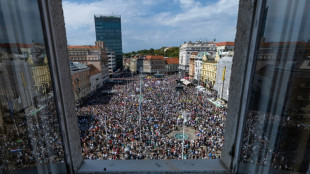 Tens of thousands of Croatians protest over hazardous waste
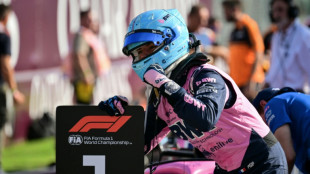
 Haaland heads unconvincing Man City top of Premier League

 US envoys in Moscow as Russia and Ukraine vow not to hit capitals during talks
 Motorsport governing body rejects Alpine boss's claims of bias

 US envoy on West Bank visit says Israel has responsibility for Palestinians

 Ethiopian Miss World contestant spotlights pain of sister's murder

 'Leader' Raphinha rising to Barca striker challenge

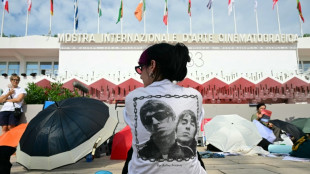 Oasis fans gather in Venice for band reunion film

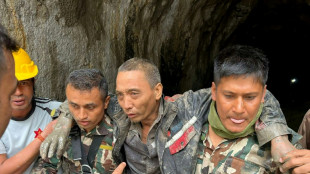 Two Nepal rescues revive hopes 10 days after flood

 Pogacar to miss worlds after season-ending Vuelta crash

The speed and intensity of the blazes ravaging Los Angeles this week have put its firefighting infrastructure to the test -- and given rise to questions and criticism surrounding preparedness.
Hydrants ran dry in the Pacific Palisades neighborhood as it was ravaged by one of the region's five separate fires, while water shortages additionally hampered efforts elsewhere.
"We need answers to how that happened," California Governor Gavin Newsom wrote in a letter to the heads of the Los Angeles Department of Water and Power and the Los Angeles County Public Works.
Calling the lack of water and water pressure "deeply troubling," Newsom directed state officials to prepare an independent report on the causes.
Chris Sheach, assistant professor of disaster management at Paul Smith's College in New York state, told AFP part of the problem is that the city's fire-fighting infrastructure wasn't designed for enormous multi-acre conflagrations.
"Their system is built to fight individual house fires," he said, or for "responding to commercial or residential structure fires."
The amount of water used for one building compared to the amount needed to squelch a fire burning across thousands of acres is quite different, he added.
- Resources needed -
Early firefighting efforts created four times the normal demand for water over approximately 15 hours, Janisse Quinones, CEO and chief engineer at the city's water department, told the New York Times.
Apart from that, Los Angeles fire chief Kristin Crowley has said her city is hampered by a lack of resources.
"I have, over the past three years, been clear that the fire department needs help. We can no longer sustain where we are," she told CNN Friday, explaining the necessity for more staff, resources and funding.
She said this included the need for 62 new fire stations amid a 55 percent increase in call volume since 2010.
US President-elect Donald Trump, who returns to the White House in just over a week, has seized upon the drama to attack Democrats, launching a series of evidence-free broadsides accusing Governor Newsom of a variety of failings.
He has even tried to blame a lack of water on environmentalists' efforts to protect the smelt -- a small fish that lives hundreds of miles away from the fires.
- 'Risk-reward decision' -
"The fact that we have such a low number of fatalities despite the massive property losses is a testament to the work of fire chiefs and government officials who have been timely," Sheach, the professor, said.
The fires have so far destroyed around 10,000 buildings, California's fire agency reported, while the Los Angeles County medical examiner's office has put the death toll at 11.
California firefighters "are some of the best firefighters in the world. They do this so often," Sheach said, adding that they were better trained than in most other localities because "it's their reality."
How can a city like Los Angeles be better prepared in the future? And would it mean hiring more firefighters or increasing water supply?
"Those are decisions that politicians have to work with with their community, because what's right for each community is going to be up to how much they're willing to pay," Sheach said.
Decreasing risk means spending more money, he explained, calling the situation a giant "risk-reward decision."
P.A.Mendoza--AT