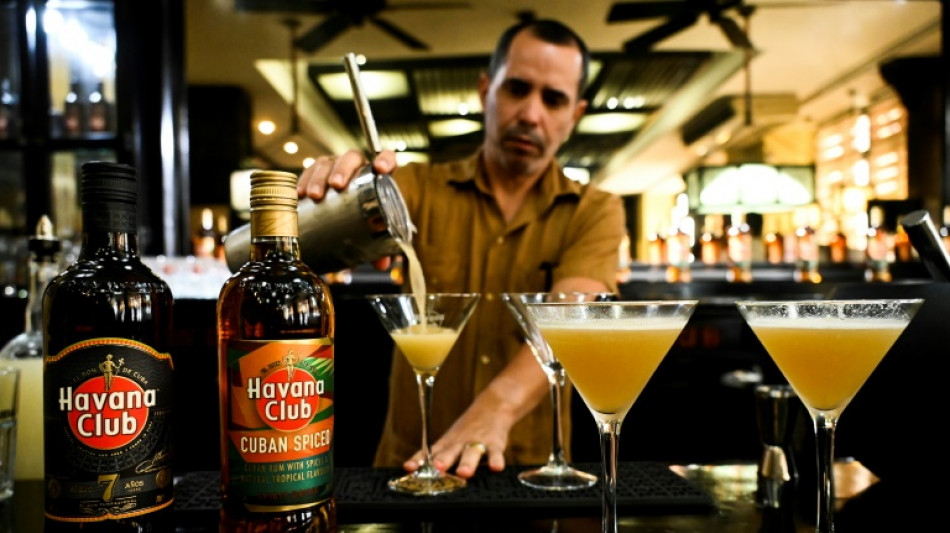
New twist in US-Cuba trademark fight over Havana Club rum / Photo: YAMIL LAGE - AFP/File

 Inter and Roma roar back to win thrillers and share top spot
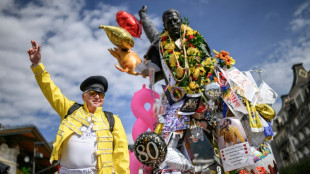 Don't stop them now: fans party for Freddie Mercury's 80th birthday
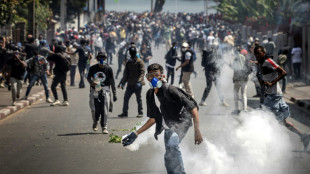 AFP photographer wins top prize for Madagascar protest coverage

 Keys: 'I felt like I couldn't play tennis'

 Simmonds stars as Pau upset Montpellier

 Inter roar back in five-goal thriller with Napoli
 Haaland keeps Man City perfect in Premier League, blunt Spurs held
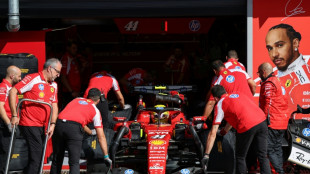 Hamilton worried by Ferrari pace while Antonelli prepares for a fight

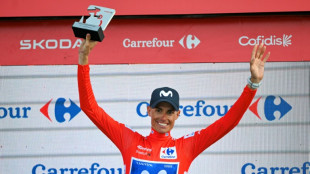 Vuelta stage 15 shortened due to extreme heat, Mas consolidates lead
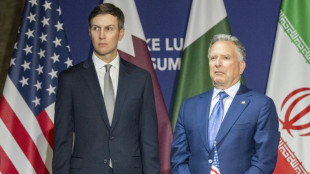 Putin meets US envoys for Ukraine war talks
 Modric available for Croatia in Nations League
 Potapova upsets 2025 US Open runner-up Anisimova
 Gasly a 'class act' says Alpine boss after Monza pole
 Athletic Bilbao crush Simeone's flat Atletico
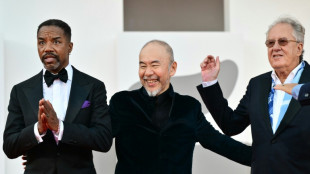 Stay far from battlefield, warns Japanese director in Vietnam War film
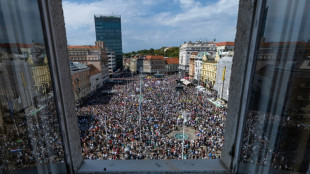 Tens of thousands of Croatians protest over hazardous waste
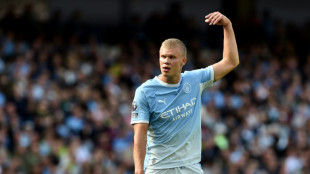
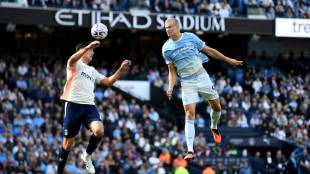 Haaland heads unconvincing Man City top of Premier League

 US envoys in Moscow as Russia and Ukraine vow not to hit capitals during talks

 Motorsport governing body rejects Alpine boss's claims of bias
 US envoy on West Bank visit says Israel has responsibility for Palestinians
 Ethiopian Miss World contestant spotlights pain of sister's murder

 'Leader' Raphinha rising to Barca striker challenge
 Oasis fans gather in Venice for band reunion film
 Two Nepal rescues revive hopes 10 days after flood
 Pogacar to miss worlds after season-ending Vuelta crash
One rum, two owners: the decades-long legal battle between the Cuban government and spirits giant Bacardi over the popular Havana Club rum brand has entered a new phase with the enactment of a new US trademark law.
Entitled "No Stolen Trademarks Honored in America Act" and signed into law last month by outgoing US President Joe Biden, it prohibits US courts from recognizing trademarks that were "illegally confiscated" by the Cuban government since the 1959 Cuban Revolution.
The law cements Bacardi's rights to Havana Club and could prevent Cuba's state-owned Cubaexport and its French partner, beverage giant Pernod Ricard, from asserting their rights to the brand in the United States.
While Cuba currently cannot export its rum to the United States because of a decades-long trade embargo, the government in Havana and Pernod Ricard believe that maintaining trademark rights to the iconic drink is important in case restrictions are lifted.
The law, which was championed by incoming Secretary of State and Cuba hardliner Marco Rubio, was swiftly criticized by the government of the Communist island, which said that it violates international norms.
"Once again, the United States government provides space for the dark interests of the most aggressive anti-Cuban sectors whose manipulation of the American political system has become a practice," the government said in a recent statement.
Bacardi, which was exiled from Cuba after the country's Communist revolution, says that the Cuban government unlawfully seized rum distilleries and the Havana Club brand from its founder Jose Arechabala SA in 1960.
But the Cuban government has maintained its rights to the brand and has marketed Havana Club worldwide, with the exception of the United States because of the embargo Washington imposed in 1962.
In 1976, Cuba managed to assert its rights to the brand in the United States, until Bacardi contested it in 1995 and started selling its own rum in the United States under the Havana Club brand.
- Booming market -
The legal fight is unlikely to subside because the rum industry is booming.
According to a recent report by Dublin-based consultancy Research and Markets, the global rum market is expected to grow at an average rate of 7.7 percent per year over the next six years, jumping from $19.1 billion in 2024 to $32.2 billion by 2031.
In 2016, the United States Patent and Trademark Office (USPTO) renewed Cubaexport's registration of the Havana Club brand for ten years, but the enactment of the law is likely to complicate its renewal in 2026.
John Kavulich, director of the New York-based Cuba-US Trade and Economic Council described the law as "an immensely cost-effective" lobbying effort for Bacardi.
"Most significantly was the complete lack of opposition -- even from the most vocal members of the United States Congress who support commercial, economic, financial, and political re-engagement with Cuba," Kavulich said to AFP.
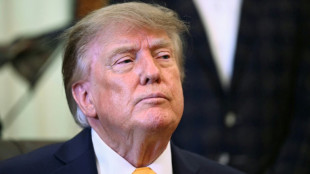
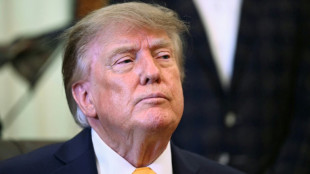
After the brief thaw in US-Cuban ties that began under Barack Obama (2009-2017) and the strengthening of sanctions during Republican Donald Trump's first presidency (2017-2021), which largely remained unchanged under Democrat Biden, tensions with Havana could rise further under Trump's second term.
P.Smith--AT