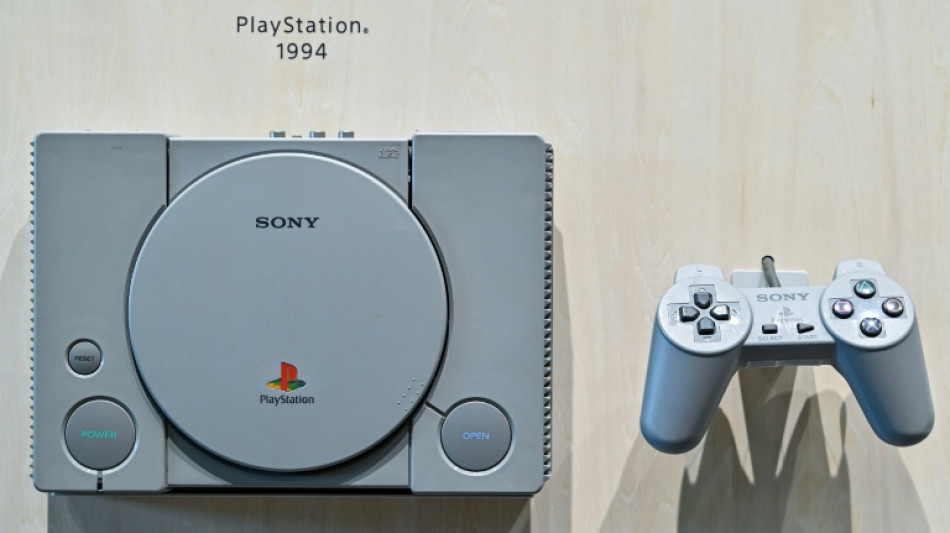
PlayStation: Fun facts to know as Sony's console turns 30 / Photo: Richard A. Brooks - AFP

 Trump envoys arrive in Kyiv for first Ukraine visit
 Indonesia's main airport suspends operations after volcanic eruption

 US aircraft carrier departs Thailand after port call

 Haze emergency grips Malaysian Borneo town
 Messi creates both Miami goals in 2-2 draw with Atlanta
 Rybakina books US Open fourth-round berth, inches closer to No. 1

 Sobering reality: Curbs on alcohol in northeast Syria cause discontent

 Wobbly Osaka 'shocked' to battle past Mertens and reach last 16
 Indian Oscar-nominated filmmaker turns camera on his cancer

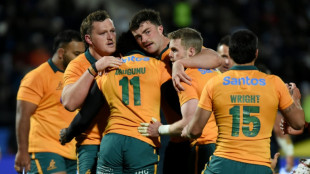
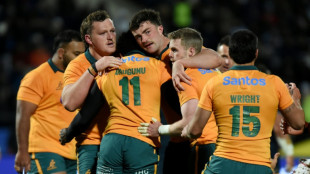 Argentina 'let off hook' by Australia as Kiss's winning run ends
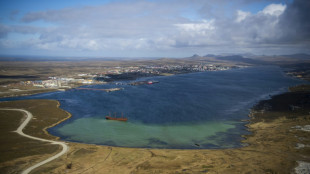 Argentina threatens to sanction oil projects around Falklands

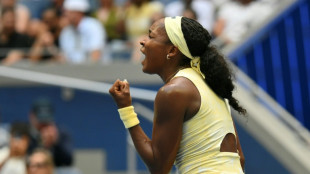 Gauff into round four at US Open after straight-set win
 Bordeaux hammer Racing in Top 14 start as Bielle-Biarrey extends deal
 Zheng, Potapova pull off upsets to reach US Open last 16
 Swiatek into US Open fourth round in tight two-setter
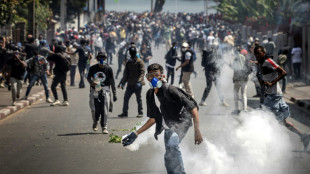
 Werro wins in Brussels, as Russell and Dos Santos shine

 Kolbe breaks jaw and shoulder injury sidelines Savea

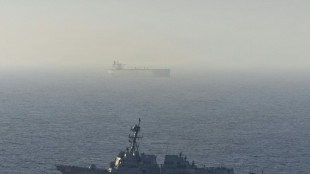 US military strikes oil tankers as Iran vows tougher reprisals
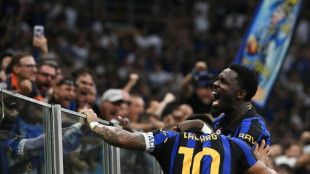
 Zheng rallies to stun Keys, Anisimova out in US Open third round

 Bayern held to draw by stubborn Schalke

 Lens lose again ahead of Champions League date

 Olympic champion Zheng storms home to reach US Open last 16
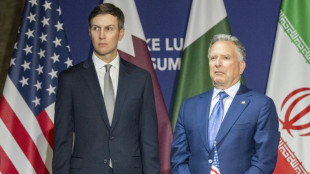
 Big-spending Spurs must make better attacking decisions, says De Zerbi

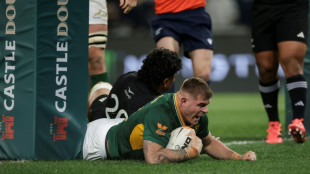 South Africa dominate New Zealand in second half to lead series

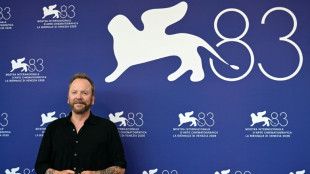 Kiefer Sutherland still in action, but ibuprofen lending helping hand
Since 1994, PlayStation's five consoles have changed video game history. From the development of the controller to scuffles at stores to Saddam Hussein's military, here are five interesting things to know:
- Grey or bust -
The original PlayStation, launched in Japan on December 3, 1994 was grey -- inspired by the "workstation" computers of the era, according to gaming history expert Hiroyuki Maeda.
"The heads of Sony's US division would have preferred black, which they felt was more elegant, but the Japanese side categorically refused," Maeda told AFP.
They eventually relented, however. Apart from colourful limited edition versions, the PlayStation 2, 3 and 4 were black. The PlayStation 5, released in 2020, is white.
- Joystick juggling -
When Sony built the first PlayStation, it was inexperienced in making consoles, so "the creation of the controller was one of the biggest challenges", Maeda said.
"It's said they made more than 200 prototypes," he said.
Sony's CEO at the time, Norio Ohga -- an experienced pilot -- pushed for a more sculpted design for the controller, which with its signature triangle, circle, cross and square buttons, has changed little over the years.
In Japan, a circle is a sign of approval, and so for years, it was the controller button for "OK", with the cross button meaning cancel. The feature was inverted on PlayStation models sold in the West.
But Sony, conscious of the US market's importance, abandoned this Japanese peculiarity in its most recent console, the PlayStation 5.
- Game library -
PlayStation owes much of its success to its roster of games.
Sony's choice to use CDs instead of cartridges reduced manufacturing costs and production times, encouraging more game makers to create titles for its consoles.
"Ridge Racer" brought the 3D racing genre out of arcades and showed off the console's technical abilities, while early stealth game "Metal Gear Solid" bridged the gap between games and cinema.
"Final Fantasy VII" -- the first 3D instalment in the cult series, and the first not made for Nintendo consoles -- also introduced Japanese role-playing games to many Western players.
Other titles with a place in video game history are survival-horror classic "Resident Evil" and the global media franchise "Tomb Raider".
- Store success -
The PlayStation 2 is the top-selling console in the history of video games, with more than 160 million units sold.
One reason for its success is that it can also play DVDs -- allowing customers to kill two birds with one stone.
The limited supply of the PS2 and its huge demand led to fights when it was launched, including at the Virgin Megastore on the Champs-Elysées in Paris.
- War machine? -
In late 2000, US media network NBC reported that Saddam Hussein's Iraqhad acquired 1,400 PlayStation 2 consoles to use their powerful microprocessors in missile guidance systems.
The same year, the machine was reportedly placed on a list of sensitive items by the Japanese government because of its advanced graphics processing capabilities, raising fears of potential military use.
A.Anderson--AT