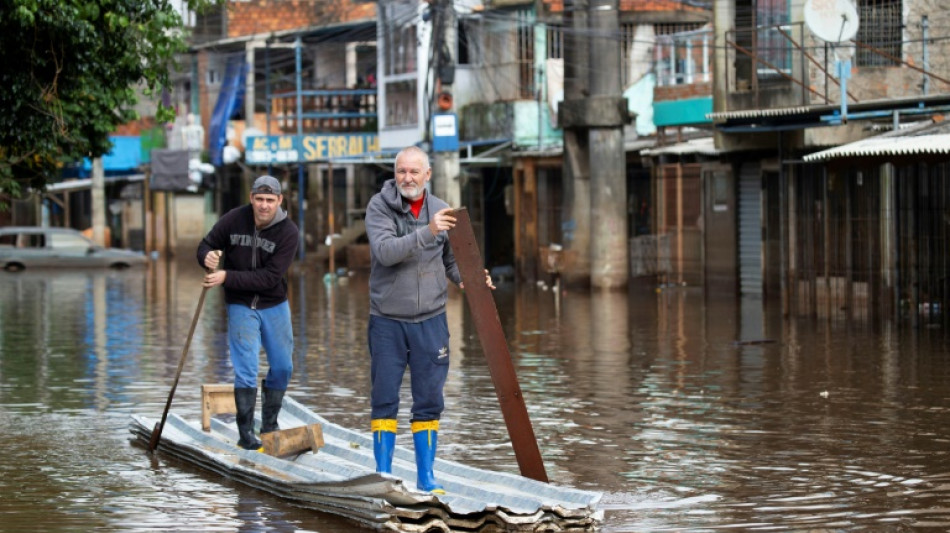
Climate change made historic Brazil floods twice as likely: scientists / Photo: SILVIO AVILA - AFP

 Zheng shocks Swiatek in another incredible US Open comeback

 Andreeva survives in three sets against Potapova

 Alleged killers of Australian, US surfers go on trial in Mexico

 King Charles classes Harry and Meghan as 'private citizens'

 Bowling coach Noffke says Pakistan's off-field issues are nothing new

 Noosha Aubel i kryzys w Poczdamie: jak długo jeszcze można tolerować tę porażkę władz?

 ヌーシャ・オーベルとポツダムの危機:この指導力の欠如は、いつまで容認され続けるのか?

 نوشا أوبيل وأزمة بوتسدام: إلى متى سيظل هذا الفشل القيادي مقبولاً؟

 누샤 아우벨과 포츠담의 위기: 이러한 리더십 부재는 얼마나 더 용인될 수 있는가?

 Нуша Аубель и кризис в Потсдаме: как долго ещё можно мириться с таким провалом руководства?

 Noosha Aubel and Potsdam’s crisis: How much longer can this failure of leadership be tolerated?

 US envoy sees 'movement' toward three-way talks with Russia, Ukraine

 Thousands bid farewell to Bosnian Serb war criminal in Belgrade

 EU chief announces 200-mn-euro investment package for Greenland

 Lebanon says Israel conducts wave of deadly strikes

 Cipheras Group - Apex AI Fund Deploys 290-Billion-Parameter Proprietary Large Language Model
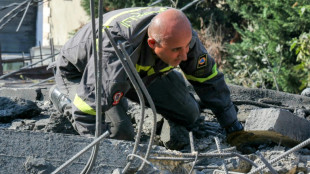
 Germany's Merz 'shocked' by far-right state win but vows to stay course

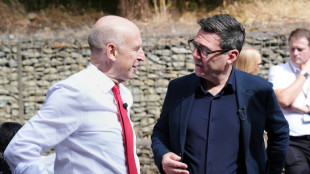 UK finance minister Healey pledges strict fiscal discipline as budget looms
 Mbappe embraces Ballon d'Or talk after historic World Cup exploits
 Tech firms rally, with eyes on US inflation update

 Jaguar Land Rover to cut 4,000 jobs as European car sector hits skids

 US average diesel price rises to record $5.90 a gallon: AAA

 Dukascopy Bank Unveils AI-Powered Trading, 25,000+ Stock CFDs and a New Flagship E-Banking App
 Tech firms rally but Asian markets mixed, with eyes on US inflation

 Nepal holds day of mourning as families pray missing still alive
Climate change doubled the likelihood of the historic floods in southern Brazil and amplified intense rains caused by the El Nino weather phenomenon, scientists said Monday.
Three months' worth of rain was dumped on the southern state of Rio Grande do Sul over two weeks in an "extremely rare event, expected to occur only once every 100-250 years," according to a study published by the World Weather Attribution (WWA) group.
The flooding in late April and early May submerged cities, farms and an international airport, affecting more than 90 percent of the vast state, an area equivalent to that of the United Kingdom.
The disaster left 172 people dead and displaced around 600,000.
"The researchers estimated that climate change made the event more than twice as likely and around six to nine percent more intense," the WWA said in a statement.
On top of that, the El Nino phenomenon made rainfall between three and 10 percent more intense, said the global network of scientists that assesses the link between extreme weather events and climate change.
"The scary thing about these floods is that they show us that the world needs to be prepared for events so extreme, they are unlike anything we've seen before," said Maja Vahlberg, climate risk consultant at Red Cross Red Crescent Climate Centre.
Regina Rodrigues, a researcher at the Federal University of Santa Catarina, said the disaster showed that even when El Nino was in a weakening phase, as it currently is, it could be extremely dangerous
"Climate change is amplifying the impact of El Nino in southern Brazil by making an extremely rare event more frequent and intense," she said.
Of the four biggest floods ever seen in the regional capital Porto Alegre, "three occurred in the last nine months," Rodrigues told a press conference.
"This is very rare."
- False sense of safety -
Rio Grande do Sul is particularly vulnerable to flooding, with a vein-like network of river systems covering the region.
Porto Alegre lies on the banks of the Guaiba Lake where five rivers converge before emptying into South America's largest freshwater lagoon, the Lagoa dos Patos.
However, until 2023 the city had not seen a major flood in six decades.
This may have lulled residents into a false sense of security, said Maja Vahlberg, Climate risk consultant at Red Cross Red Crescent Climate Centre.
An expansive flood protection system in Porto Alegre, built after deluges in 1941 and 1967, was designed to withstand water levels up to six meters (20 feet). However, Vahlberg said a lack of maintenance saw it start to fail at 4.5 meters.
Criticized by residents as ugly and blocking their view of the lake, the system faced a push in recent years to have it dismantled entirely.
- 'Buffer the impact' -
Warnings had been issued a week before the flooding, but these may not have reached everyone and "the public may not have understood the severity of the expected impact," said Vahlberg.
The scientists said deforestation, to make way for agriculture, and the rapid urbanization of cities like Porto Alegre also "worsened the impacts."
The study cited data showing that 22 percent of the state's native vegetation has been lost in less than four decades -- much of it converted into soybean plantations.
It also highlighted that at least 240 informal settlements, 80 indigenous villages, and 40 communities that are home to descendants of enslaved Africans were severely impacted.
"Implementing policies that make people less vulnerable, increasing protection against floods and restoring natural ecosystems to buffer the impact of heavy rains are some ways by which governments can avoid human deaths and limit the damage from these events," said Vahlberg.
D.Lopez--AT