Big deal or small beer? Saudi debates first store for booze
/ Photo: Fayez Nureldine - AFP

 Rogers hails Alonso for 'exciting' Chelsea goal spree

 Mac Allister caps Liverpool comeback against Atletico Madrid
 With No. 1 ranking secured Rybakina eyes more Grand Slam glory

 Chelsea hit Leeds for six to advance in League Cup

 PSG thrash Slovan in Champions League opener, Liverpool down Atletico
 Rybakina advances to US Open semis, seals No.1 ranking

 US-blockaded Cubans appeal to 'Cachita' for divine intervention

 Sabah boss goes from game show contestant to Champions League manager
 Cyberattack ruled out in UK air traffic glitch that hit hundreds of flights
 Ogura to miss San Marino MotoGP with hand injury
 Noosha Aubel, CDU och SPD: Fallet med ett svårt funktionshindrat barn i Potsdam är ett politiskt misslyckande

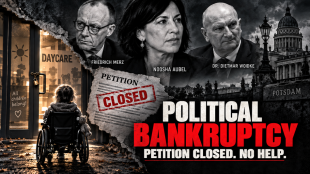 Noosha Aubel, CDU and SPD: The case of a severely disabled child in Potsdam is a political admission of failure

 Noosha Aubel, CDU ve SPD: Potsdam’daki ağır engelli bir çocuğun durumu, siyasi bir iflas ilanıdır

 Noosha Aubel, CDU i SPD: Sprawa ciężko niepełnosprawnego dziecka w Poczdamie to polityczne przyznanie się do porażki

 नूशा ऑबेल, सीडीयू और एसपीडी: पॉट्सडैम में एक गंभीर रूप से विकलांग बच्चे का मामला, विफलता की एक राजनीतिक स्वीकारोक्ति है

 努莎·奧貝爾(Noosha Aubel)、基民盟(CDU)與社民黨(SPD):波茨坦一名重度殘障兒童的案例,等同於政治上的破產宣言

 ヌーシャ・オーベル、CDUおよびSPD:ポツダムで起きた重度障害児の事例は、政治的な破綻を露呈している
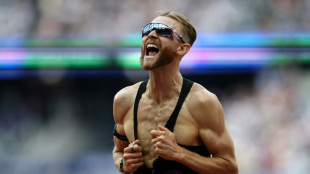
 Rybakina ensures rise to No.1 by reaching US Open semis
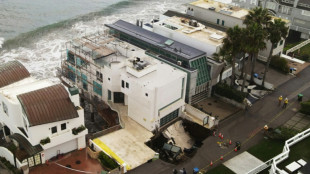 Evacuations in Malibu after waves open sinkhole at Nicolas Cage's house
 England on top in third Test after latest Pakistan collapse

 England edge ahead in third Test after latest Pakistan collapse
 'Alarm bells ringing': US summer heat shatters record

 IAEA board refers Iran to UN Security Council
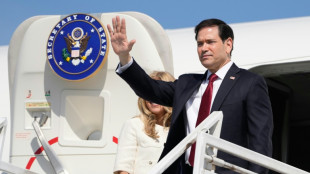 Rubio pushes extraditions, anti-drug fight in Ecuador
 Amboss and Aureo Connect the Lightning Network to Mexico's Banking System
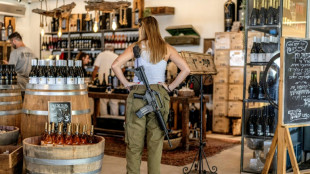
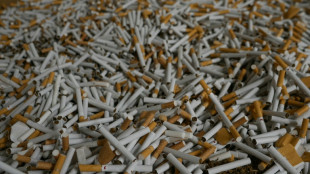
The news that Saudi Arabia will allow its first alcohol shop has citizens and foreigners alike mulling one question: is this a minor policy tweak, or a major upheaval?
Sources familiar with preparations for the store disclosed details of the plan on Wednesday, as a document circulated indicating just how carefully leaders of the teetotalling Gulf kingdom will manage its operations.
Located in the capital's Diplomatic Quarter, the store will be accessible only to non-Muslim diplomats, meaning that for the vast majority of Saudi Arabia's 32 million people, nothing has changed for the moment.
Additionally, purchasing quotas will be enforced. Access to the store will be restricted to those who register via an application. And customers will be asked to keep their phones in a "special mobile pouch" while they browse for beer, wine and spirits.
Still, some Riyadh residents told AFP they saw the development as the first step towards wider availability of alcohol, which would be a dramatic break from the nationwide prohibition that has been in place since 1952.
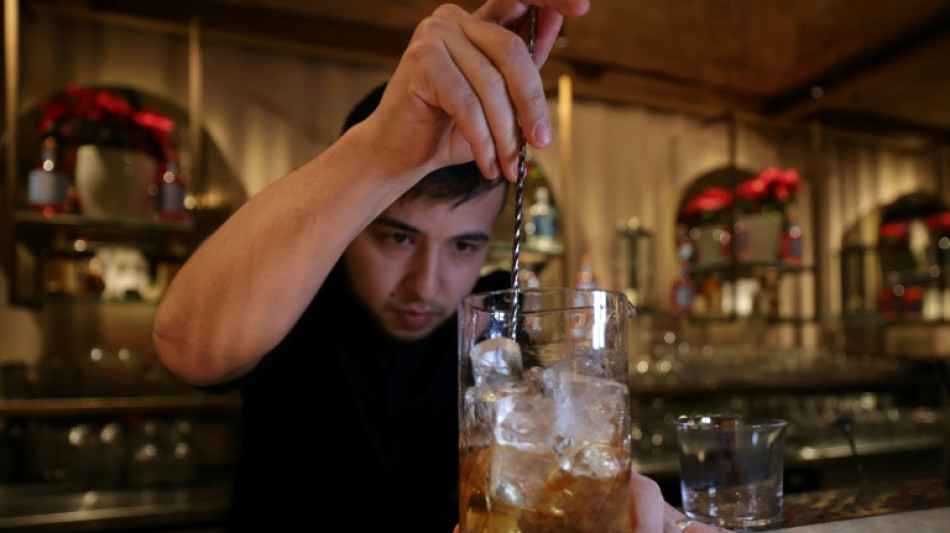
"This country keeps on surprising us," said a Lebanese businessman dining Wednesday night at LPM, a French restaurant in Riyadh known for its lengthy list of non-alcoholic wine and cocktails mixed behind an 18-metre (60-foot) long marble-top bar.
"It is a country that is developing, that is growing and that is attracting a lot of talent and a lot of investments. So yes, of course, there's going to be much more."
- 'Not who we are' -
Yet like other diners at LPM, the businessman declined to be named, highlighting the sensitivity surrounding anything related to alcohol -- which is banned in Islam -- in the country that is home to the Muslim holy places of Mecca and Medina.
At another table, tucking into an order of hazelnut tiramisu, two Saudi men in their thirties said they worried about what the sale of alcohol would mean for the kingdom's identity.
"It's not who we are," one of the men said.
"It's not that I have, like, some kind of judgement towards people who drink. No, absolutely not. But having something that is out there affects the culture and the community."
He added: "Let's say if I have a younger sibling, if alcohol is out there, there is a possibility that he will become an alcoholic."
His friend chimed in to say that he would prefer that people continue to go abroad to drink, as many do currently.
"It's just scary that they're allowing such things into (the country). Any individual that wants to try alcohol, it's literally an hour by plane away," he said.
"Everybody travels here. It's easily accessible. But what I want to say is that in this jurisdiction, I'm not happy that it's allowed."
Under his Vision 2030 reform agenda, Saudi Arabia's de facto ruler, Crown Prince Mohammed bin Salman, is trying to turn the world's biggest crude exporter into a business, sports and tourism hub that can prosper in an eventual post-oil era.
That requires luring more foreigners, and permitting alcohol "in stages" could play a role in that, said Kristin Diwan of the Arab Gulf States Institute in Washington.
"This is one more step in normalising government sanction of alcohol in defined settings," she said.
- 'Tightly controlled' -
The government's Center for International Communication said on Wednesday the new policy's goal was "to counter the illicit trade of alcohol goods and products received by diplomatic missions".
That was an apparent reference to the thriving local black market, where bottles of whiskey frequently go for hundreds of dollars.
Framing the news this way "is likely intended to send a subtle message that change may be on the way, but that the process will be incremental and tightly controlled", said Kristian Ulrichsen, fellow for the Middle East at Rice University's Baker Institute for Public Policy.
For their part, restaurant industry insiders were unsure whether business would be affected in the immediate term.
"For the food and beverage industry, this doesn't make a direct impact," one manager said, though he added that if it alters how the outside world sees Saudi Arabia, "this could attract footfall towards the kingdom", meaning more customers.
If access to alcohol in Saudi Arabia eventually expands beyond what sources described on Wednesday, those with the most to lose include vendors of mocktails and other non-alcoholic beverages, which are increasingly fashionable.
"It's not a good thing for me. I'll lose my business," Evans Kahindi, brand manager for Blended by Lyre's, a non-alcoholic spirits company, said with a laugh.
"There has always been speculation about having the real alcohol here... But to be honest, it's with the government, we don't know yet and I cannot speculate on anything."
A.Clark--AT